
69697
Kenneth R. Williams
SUBJECT: WHAT DID YOU DO IN THE WAR
I was a Second Class Pharmacist Mate on the USS GREGORY (DD802) during WWII and participated in the battles of Iwo Jima and
The other experience was when the GREGORY was severely damaged by a Kamikaze plane at
Our damage repair party did a terrific job in shoring up the cracked plates and pumping brine. We took on a port list and limped in to Kerma Retto. Water still seeped into the ship. The billy pumps were able to remove most of the water. This kept the ship from taking on a bigger list.
Our evaporators (which converted saltwater into drinking water) were severely damaged from the hit. At Kerma Retto we tied up along side a water barge to take on fresh water. The USS Prarie (AD15) gave us temporary repairs to make the destroyer seaworthy to be able to return to
The Kamikaze hit put us out of action for the rest of the war. The GREGORY shot down six Jap planes and damaged four others during WWII in the Pacific.
Kenneth R. Williams, PHM2/C
USS GREGORY DD802 WWII
69762
 69868
69868
SHOT DOWN IN THE PHILIPPINES
At 0630 on November 6, 1944, forty fighters and bombers left the USS Essex for strikes against the Japanese at Clark Field, as well was enemy ships in Manila and Salanguin Harbors. In the cockpit of one of the SB2C Helldivers was the pilot, LTJG William Starling Rising, and behind him the radioman/gunner, ARM2 John Ward Montgomery. As their SB2C neared Manila, ground fire burst around them. Finding a choice target, a Japanese destroyer, their Helldiver went into an almost 90 degree dive toward its deck. Around the rapidly falling airplane burst deadly rounds of anti-aircraft fire as Montgomery did his best to ignore it as he had already completed 38 such missions and was becoming an "old hand". Suddenly the sound of the engine changed as enemy fire had struck home. Quickly LTJG Rising pulled out of the dive and both men removed their safety belts and climbed onto the wing. As the Helldiver began to level LTJG Rising yelled, "I think I can still control 'er. Let's see if we can make it out past Manila Bay." Both men climbed back in and headed away from the enemy ships. As they dropped close to the sea Montgomery held their life raft, bracing his head against it as a cushion. Soon the Helldiver struck the waves with great force.
As the airplane started sinking, Rising climbed onto the wing and Montgomery threw him the raft. As the cockpit filled with water Montgomery struggled to free himself and realized he had not unbuckled his safety belt. Working feverishly as the plane sank beneath the waves he worked his way free, actuated his life vest and popped to the surface. The salt water stung the open wounds of Montgomery's ankles where enemy flak had punctured flesh, and Lieutenant Rising tried to shake off the fuzziness caused by a wound to his head when the airplane slammed into the sea. So quickly had the Helldiver sank that none of the emergency rations could be saved so they were without supplies or fresh water. They were not alone as friendly fighters circled overhead for a time. One dropped a lifejacket and canteen of water and another a life raft. Low on fuel, the planes had to fly away.
The two airmen didn't feel abandoned as they knew an American rescue submarine was in the area but as the day wore on there was no sign of rescue. Their thoughts turned to a plan for escape and evasion as they knew they were floating alone in enemy territory. Already they had been spotted by a Japanese sea plane that had strafed their raft, pitting it with bullet holes but fortunately neither man was hit. Knowing that the nearest side of Luzon was controlled by the Japanese, they rowed through the night to a small island where they landed shortly before dawn. In the darkness of their second night they patched the bullet holes in their raft and then began rowing to the far side of Luzon Island. As they rowed they were startled when a flying fish landed in their raft which they quickly cut up and shared its meat for nourishment.
As they neared the Luzon they could see lights on the enemy held island. Eventually they beached their raft and made their way several hundred yards into the jungle to rest until daylight. A crowing rooster signaled the presence of a house and they cautiously made their way towards civilization. They found the home belonged to a Philippine member of the Fil-American Guerrillas. In the weeks that followed, the two Americans placed their lives in the hands of the people that inhabited the rural farms in the Japanese controlled Philippine Islands. The poor farmers had little but they were quick to share their meager supplies. The untreated wounds in Montgomery's legs quickly became infected. Montgomery struggled against the pain and fought for survival. Eventually someone found some sulfa and the infection began to disappear.
The local civilians also shared the American’s danger as any hint that they had rendered assistance would be met with quick and brutal violence. Occasionally they encountered enemy patrols so they moved with great caution. One night they bedded down in a small hut along the coast, only to awake to the sound of Japanese voices. Not far away, neatly camouflaged with tree branches, an enemy destroyer had tied to the bank. Montgomery and Rising eventually made their way to a mountain garrison where the guerrilla's had lived and fought in the jungles for three years. From this camp the two airmen were moved deeper into the hills to join another guerrilla force where for the first time in weeks they saw other American faces, three fellow American flyers that were being guarded by the guerrillas. A short time later, the guerrillas began the dangerous task of moving through enemy territory with the five Americans towards what they hoped would be rescue. The trip took several days, but from Luzon the men were placed on small boats under the cover of darkness for a night voyage to the northern coast of Mindoro. There they met up with yet another guerrilla force under the leadership of a U.S. Navy Commander. While waiting for rescue Montgomery developed a high fever that lingered for four days. When at last American forces invaded Mindoro, the men were picked up by PT-222 and PT-220 and the rescued Americans spent Christmas Eve with the American Forces on Leyte beachhead, and then Christmas dinner aboard the USS Curratuck. As a Christmas gift, Montgomery received a bar of soap, writing paper, and a broken pencil from the Red Cross but no present could equal his new sense of freedom. From Leyte, LTJG Rising was flown to the United States for a reunion with his wife and their young baby. LTJG Rising eventually received the Navy Cross, signed up for another tour and returned to finish the war flying "single-seater" aircraft.
ARM2 Montgomery joined returning Americans in Operation Magic Carpet, returning to California on an escort carrier in January 1945 still wearing Marine greens and the oversize army boots that had been issued to him at the beachhead in southern Mindoro. After a 30 day leave, he reported to the Naval Air Training Center in Memphis, then refresher training at gunnery school, and finally on to a PB4Y squadron in Jacksonville, Florida. On September 13, 1945, only days after World War II ended, ARM2 Montgomery was discharged. Among his many awards was the Distinguished Flying Cross (for action on October 25, 1944, twelve days before he was shot down), Air Medal, Purple Heart, and numerous campaign and service ribbons.
Returning to his home in Shelbyville, Kentucky, he went to work for the US Postal Service from which he later retired. Years later he said, "I cannot find enough words of praise to describe the manner in which the friendly Fil-American guerrillas took care of me and other American fliers who were in the same helpless condition. They made great sacrifices to feed us when they didn't have enough food for themselves and they kept us hidden from the Japs at great risk to themselves and their families. Our survival would have been impossible without the aid of the Fil-Americans.”
On Veterans Day, 1997, ARM2 Montgomery was induction into the Enlisted Combat Aircrew Roll of Honor aboard the USS Yorktown in Patriots Point, South Carolina. Also in his honor, a plaque and his photo hang at the Navy Memorial. He died on January 1, 2001, and has been buried at Grove Hill Cemetery in Shelbyville, Kentucky.
Submitted by CDR Roy A. Mosteller, USNR (Ret)
69914 69968
69968  70033
70033  70099
70099 
 70156
70156  70289
70289 
 70354
70354  70398
70398  70486
70486  70488
70488  70508
70508 
 70627
70627 

 70629
70629 Dudley Woodman Clark Jr.
Written by: Jessia Clark
My grandfather, Dudley Woodman Clark, Jr. was born on January 14, 1922 in Somers, CT. He was the son of Dudley W. Clark and Alma Agar Clark. While growing up in the border town of Somers, Dudley met a lovely young lady named Helen Speight of East Longmeadow, MA.
Dudley W. Clark, Jr. began his college studies at the University of Connecticut in the fall of 1943, where he took on a course of study in Chemistry. Within a year, however, he was called to service and had to leave his college studies behind. In 1944, Dudley W. Clark Jr. completed his course of training as a midshipman at the United States Naval Training School in Plattsburg, NY. He was commissioned as an Ensign in the U.S. Naval Reserve in June 1944.
In 1945 his duties brought him to the Pacific Theater, under to command of Admiral Nimitz. Dudley W. Clark, Jr. was stationed aboard the USS LST 649 as an officer, where he served alongside ten other officers and 103 enlisted navy men. The USS LST 649 was a Landing Ship Tank that was used to bring troops, tanks, and supplies right up to the beach during a landing, where it could supply the troops on the ground. When the LST was empty it would then make a return trip to a larger supply vessel waiting out at sea, where they would both be out of striking distance of the enemy. After re-supplying, the LST would return again to the beach. This service continued throughout the tour of duty. This is a good demonstration of the importance of each role and how every participant in the war effort played a vital role in our history.
All these years later, my grandfather still held onto the ship’s roster and its itinerary of service. With this group of men they sailed the seas throughout the Pacific, performing many predetermined tasks necessary to support their given military operations. During those months they traveled into many ports including Pearl Harbor, The Marshall Islands, The Philippine Islands, Okinawa, Saipan, Wakayama and Honshu, Japan. My dad says his father did not speak much about his experiences in the Navy and there are few remaining relatives that could offer stories of his service. My aunt says she did catch him one afternoon when she was a young girl and while they were puttering about in the garage, where he had a photo the USS LST 649 and she asked him about it. He shared a fateful story with her: Those that served on the ship spent a lot of time at sea and were on constant alert for enemy/Japanese activity. One afternoon my grandfather was looking forward to a much anticipated shore leave of 24 hours. As it turned out, another sailor asked my grandfather if he would switch his leave time, as the sailor really needed a break. After hesitating, my grandfather did give up his time to the young sailor. In a tragic turn of events, the small craft that took the guys ashore was attacked and the sailor that took my grandfather’s place was killed. My grandfather always believed that fate stepped in for him that day. The young sailor was remembered in the Clark prayers.
During his active service in the Navy, Dudley W. Clark, Jr. received commendations for his part in the efforts that defeated two enemy fleets at one time, resulting in their surrenders only four months apart.
My grandfather was hospitalized in 1946 for a kidney condition incurred during his active war service, which later forced the removal of his kidney. He served his country until his release from active duty in August 1946 as a Lieutenant JG in the United States Naval Reserve.
Upon his return to his home state in August 1946, he married his longtime girlfriend, Helen Speight, that very month. The following year he transferred to Wesleyan University to complete his degree and was awarded his B.A. in Chemistry in from Wesleyan in 1949.
Dudley W. Clark remained in inactive status in the United States Naval Reserve until his final honorable discharge in Sept. 1955.
I was never able to meet my grandfather to speak to him directly about his service to this special nation, as he passed away in 1986, six years before I was born. My dad, Dudley W. Clark III, speaks about him now and then and I know he remains proud of his dad’s service because we proudly display my grandfather’s military service flag in a mahogany frame, overlooking our fireplace. I think my grandfather would be proud too.
If you would like to read more about the LST ships you could visit this website that I found very helpful and interesting, and my grandfather is pictured with his fellow officers pictured below at http://www.navsource.org/archives/10/160649.htm.

 70678
70678  70774
70774  70843
70843  70846
70846  70850
70850 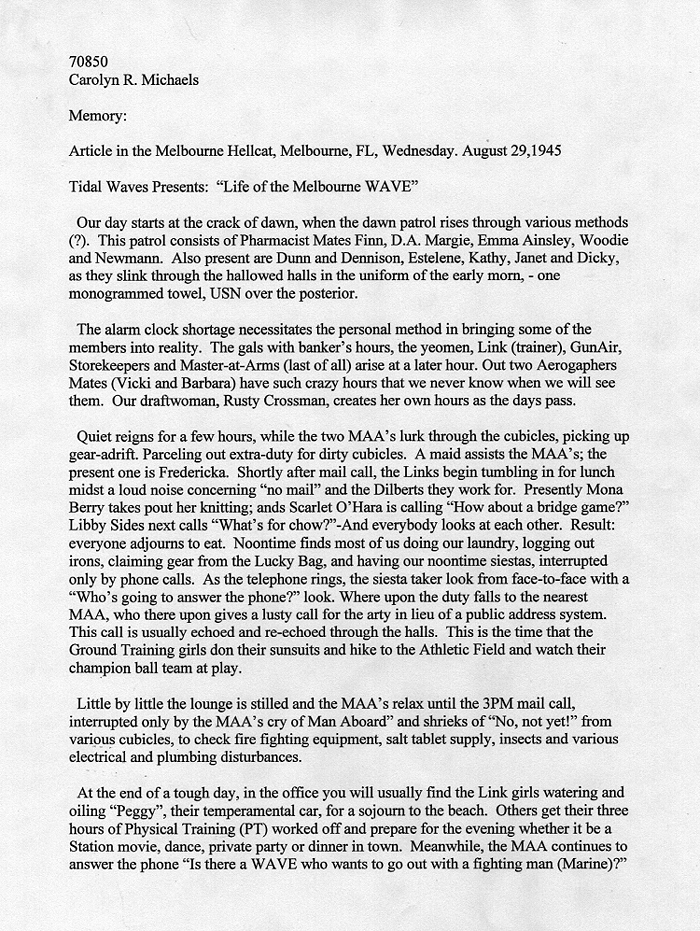
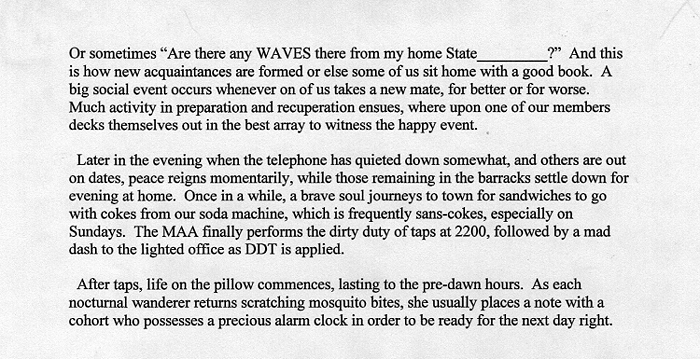 70934
70934 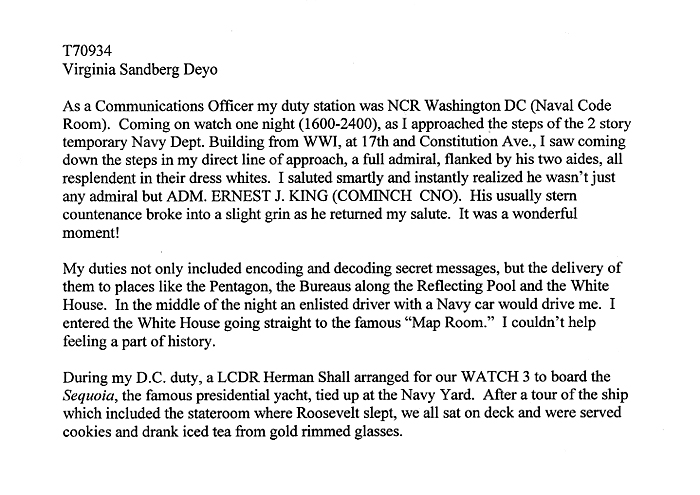 70943
70943 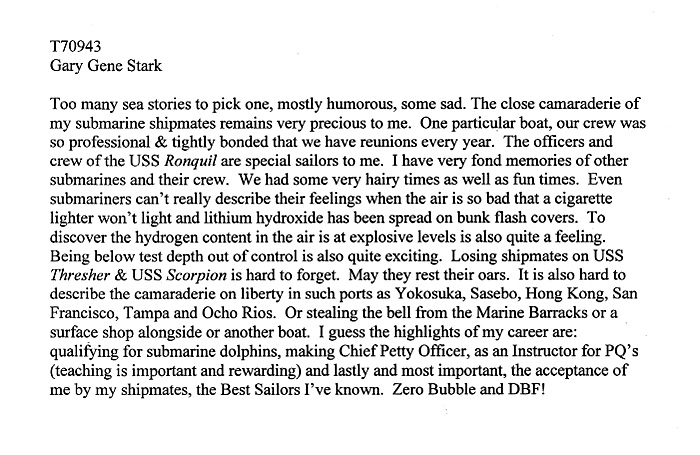 71000
71000 
 71032
71032  71109
71109 
 71124
71124 
 71157
71157 
 71208
71208 
 71387
71387 
 71504
71504  71533
71533 
 71576
71576 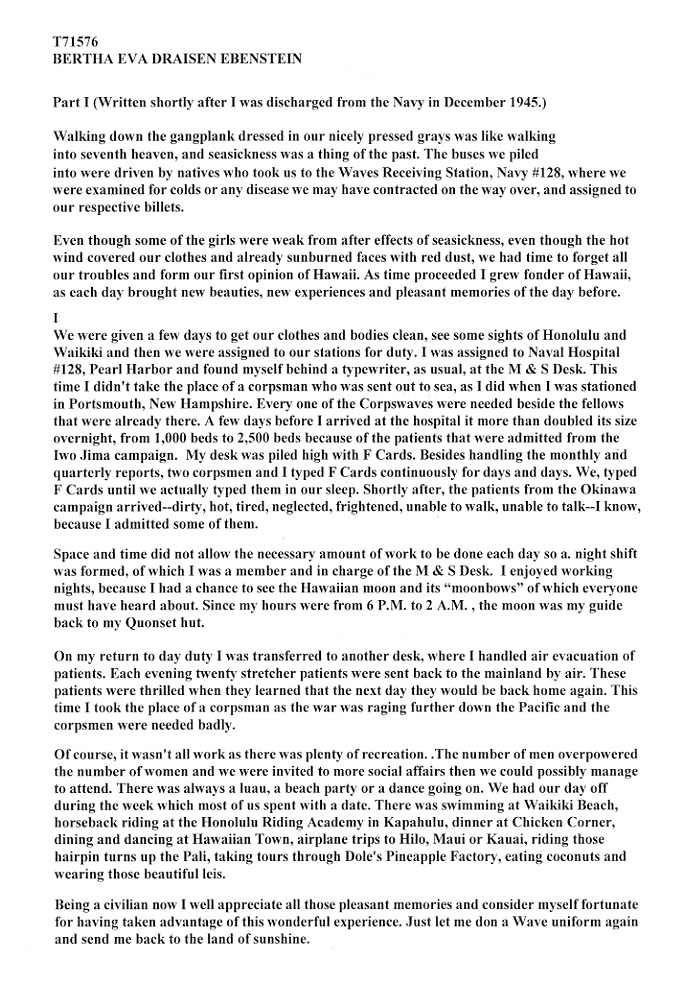
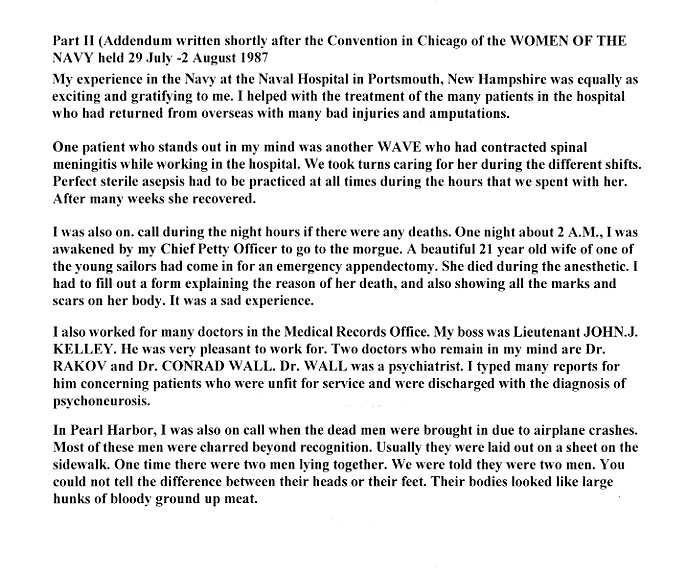 71638
71638 On April 11, 1945 was awarded Commendation by Commanding Officer L. Funkenstein for meritorious service in amphibious operations against the enemy at Okinawa April 1- April 8, 1945.
As a crew member of a landing boat, Joseph H. Dannemann assisted in landing troops and supplies over a protracted period of time and under most difficult conditions. His performance of duty was in keeping with the highest traditions of the United States Naval Service.
71699 71729
71729  71833
71833  71898
71898  72001
72001 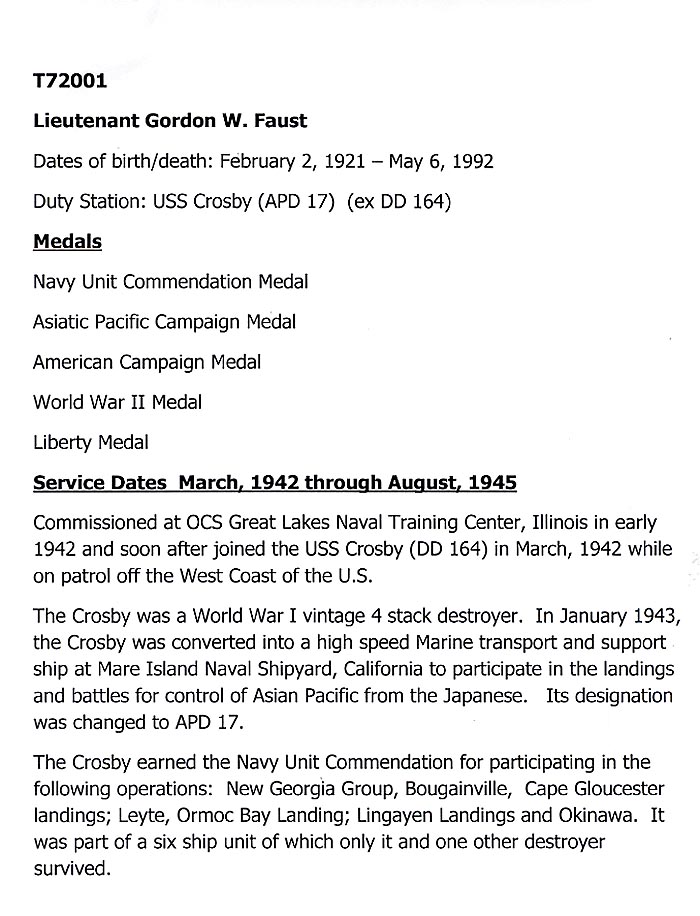
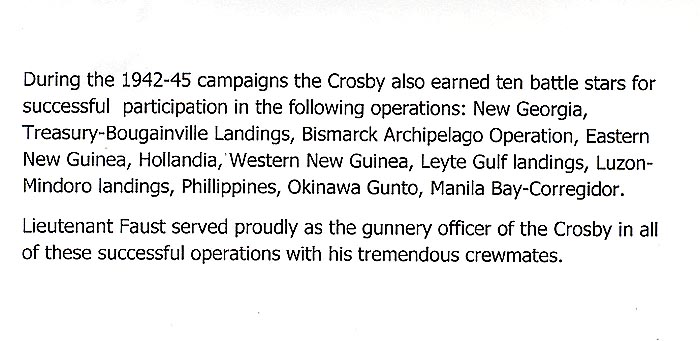 72042
72042 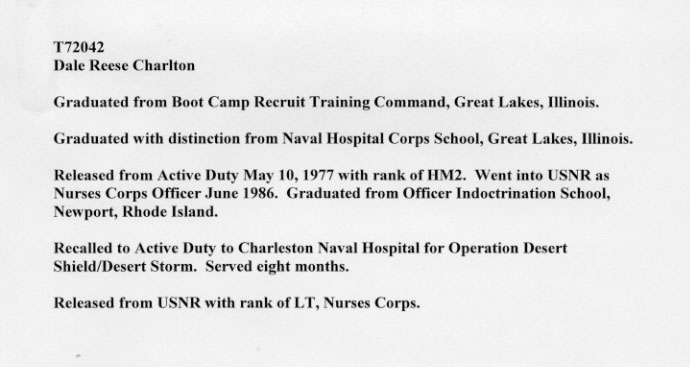 72069
72069  72183
72183 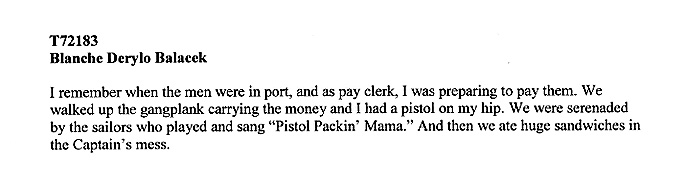 72279
72279  72288
72288  72316
72316  72447
72447  72505
72505  72507
72507  72693
72693  72974
72974 Bio for Chief Earnest Ray Johnston
ATC E. Ray Johnston passed away at the age of 95 on May 21, 2013. He was a devoted husband of the late Edythmae Johnston. Loving father of Doctor Troy Johnston and Lori Johnston. He was an adoring grandfather of Jenna, Corinne, Peyton, Isabella and Harper.
E. Ray Johnston joined the Navy when he was 24. Once his platoon finished boot camp, they were assigned to the Naval base at Norfolk, Virginia. Shortly after that, he became a member of the Scouting Squadron Eight (VS-8) and shipped out to the West Coast on the USS Hornet CV-8. Chief Johnston was a rear gunner on a two-man plane on the Hornet and saw action during the Battle of Midway. To this day he remembers his pilot-- ENS Benjamin Tappan, Jr. After serving for six years he left the Navy for school then returned to duty after 20 months. He served for the remainder of 20 years and retired as ‘Chief’ E-7. He then joined the ranks of the Naval Civil Service employees spending three years at Pax River in the office that wrote aircraft maintenance manuals then moved to the Navy Headquarters in Washington D.C. in acquisition project management working on the procurement of the E-2A and E-C-2A aircraft.
Chief Johnston lived in Alexandria, Virginia during his Naval Civil Service career where he coached little league, tended to a large and very productive vegetable garden. He moved to Somerville, MA to be closer to his daughter.
Chief Johnston was thrilled to have been able to participate with fellow Midway survivors at the Battle of Midway ceremony in Washington DC.
Submitted by COL Katherine Ward, USAF (Ret)
July 28, 2013
73003
 73101
73101  73120
73120  73138
73138  73207
73207  73218
73218 
 73272
73272  73276
73276  73490
73490 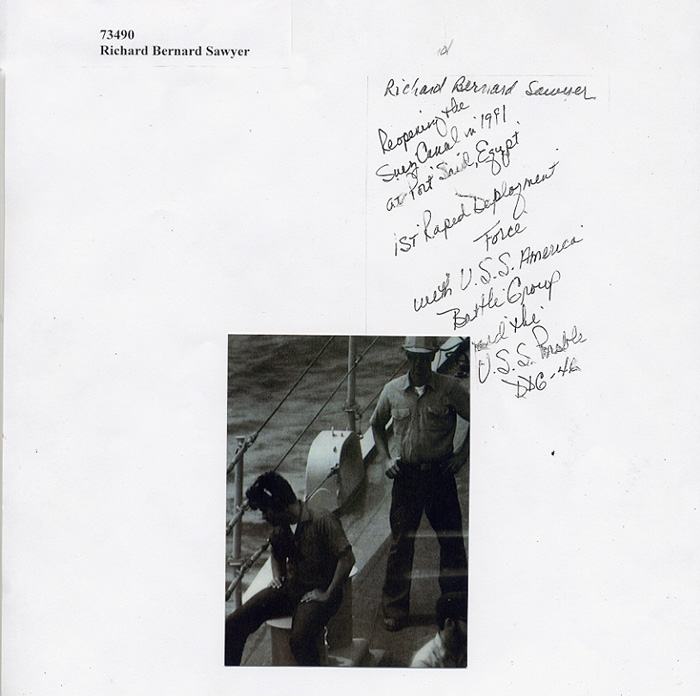 73511
73511  73606
73606 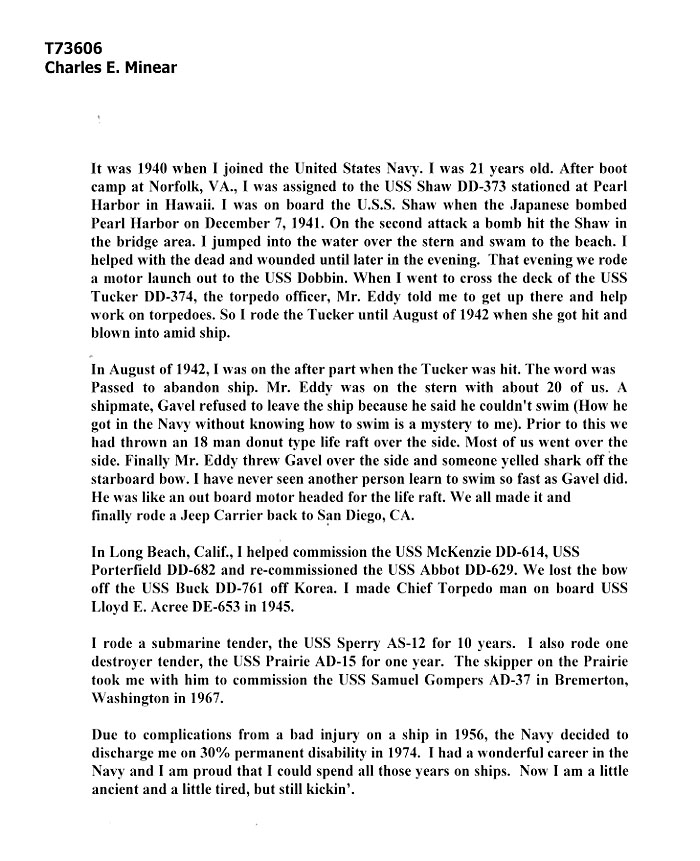 73851
73851 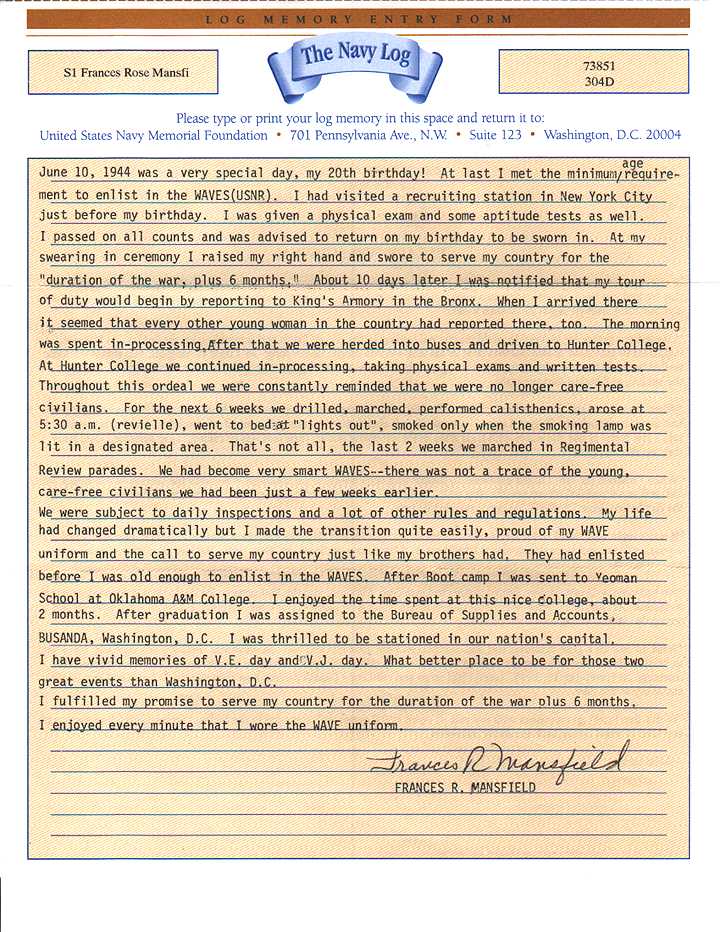 73867
73867 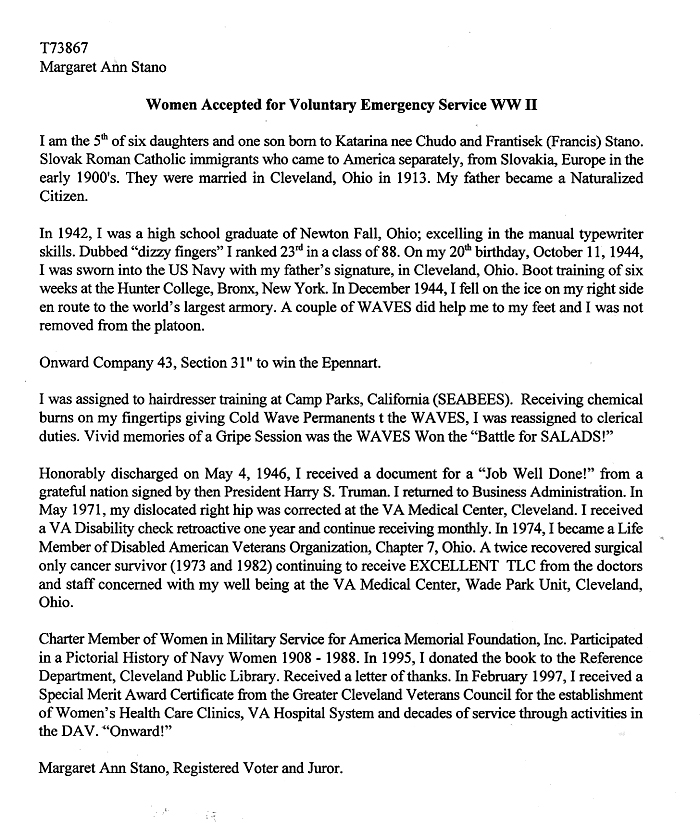 73908
73908 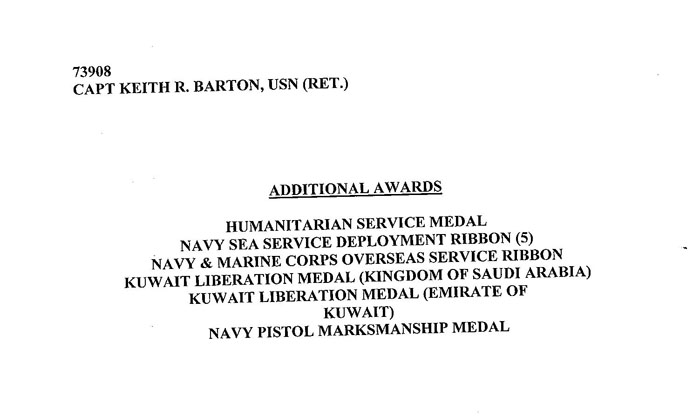
73925
 74030
74030  74092
74092 74092
Peggy Maney Smith
Service Memories
WAVES ORAL HISTORY
WHERE WERE YOU BORN?
Kansas City, MO 1-1-1922
WHAT DID YOUR FATHER DO FOR A LIVING? YOUR MOTHER?
Teller in a bank Housewife
DID YOU HAVE BROTHERS AND SISTERS?
One sister, Alice
WHERE DID YOU SPEND YOUR GROWING UP YEARS?
Kansas City, MO
WHERE DID YOU GRADUATE FROM HIGH SCHOOL? WHEN?
Kansas City, MO June, 1939
DID YOU ATTEND COLLEGE? WHERE? WHEN DID YOU GRADUATE?
No
DID YOUR FAMILY HAVE ANY NAVY CONNECTIONS?
No
WERE ANY OF YOUR FRIENDS OR RELATIVES IN THE SERVICE? DID THIS INFLUENCE YOU TO JOIN?
No
WHERE WERE YOU WHEN PEARL HARBOR WAS ATTACKED? WHAT WAS YOUR REACTION?
At the movies – couldn’t believe it – we were married Feb. 1942
DID YOU KEEP UP WITH THE NEWS ABOUT THE WAR BEFORE YOU ENLISTED?
Yes, very much
HOW DID YOU HEAR ABOUT THE WAVES? WHAT WAS ATTRACTIVE ABOUT THE NAVY VERSUS THE OTHER SERVICES? WHY DID YOU SELECT THE NAVY INSTEAD OF THE WACS OR SPARS?
Don’t remember – guess I knew I probably wouldn’t be accepted in the Marines – didn’t want Coast Guard and definitely did not want the Army! The Navy seemed just perfect!
WHEN DID YOU ENLIST?
Aug., 1943
WHERE DID YOU ENLIST? WHAT PROCEDURES DID YOU HAVE TO FOLLOW TO ENLIST? TESTS AND PHYSICALS?
Kansas City, MO. I don’t remember anything special
WHERE WERE YOU SWORN IN?
In the Federal Building I guess
WAS THERE PUBLICITY ABOUT YOUR JOINING THE WAVES IN LOCAL PAPERS?
No
HOW DID YOU PARENTS FEEL ABOUT YOUR DECISION? WERE THEY SUPPORTIVE?
Dad died when I was 6 and Mom didn’t want me to but she didn’t put her foot down – besides I was already married and he thought it was OK - he was in the Army
HOW DID YOU TRAVEL TO BASIC TRAINING? ALONE OR WITH A GROUP?
With a group by train – my first train – very exciting – they woke us up in the middle of the night when we crossed Niagara Falls - we could not see a thing in the dark but it was fun. When we arrived in NYC, we had to take a cab to the transportation to the Bronx but we had to take a side trip - we wanted to see the Statue of Liberty and the cabbie had to tell us that he had lived in NY all his life and that he had never been over there – we were crushed! Anyway when he took us to the bus, none of us tipped him – after all we were dummies from the Midwest - but anyway all the way across the street he yelled CHEAP, CHEAP, CHEAP - we were positively mortified!
WHERE DID YOU RECEIVE YOUR TRAINING AND INDOCTRINATION? HOW LONG WERE YOU THERE?
Hunter College, Bronx, New York! On the enclosed pages, you will see, that for one month, September, boot camp was only 4 weeks and I was in that one – the 13th Regiment!
DESCRIBE YOUR LIVING CONDITIONS AND ROOMMATES DURING THE TRAINING PERIOD?
4 bunks – 3 roommates – 1 of them went with me to radio school.
HOW WAS YOUR DAY STRUCTURED?
I really remember very little except that we marched and marched and marched everywhere and sang our funny little songs – got our uniforms and shots - but I did discover apple juice for breakfast and I’ve enjoyed it ever since!
WHAT KINDS OF CLASSES DID YOU TAKE? DID YOU FIND THEM CHALLENGING, EASY OR DIFFICULT?
Don’t remember what we were supposed to learn but I certainly did find them exciting and all very new!
DID YOU LIKE THE MARCHING AND DRILLING? DID YOU ADJUST EASILY TO THE DISCIPLINE OF MILITARY LIFE?
I liked the marching very much and I did adjust very quickly to the military and I am still very much military!
DID YOU PARTICIPATE IN ANY EXTRACURRICULAR ACTIVITIES? i.e., SINGING PLATOON OR NEWSPAPER?
No – no time
COMMENT ON THE NAVY UNIFORM
Bizarre shoes and hose!
WHAT DID YOU DO ON YOUR LIMITED TIME OFF?
Little time – snacked in the room and slept
DID ANYTHING AMUSING OR NOTEWORTHY HAPPEN DURING YOUR TRAINING PERIOD?
Our last weekend at Hunter, we were allowed to go into New York City – BIG TIME – and at Rockefeller Center (celebrating its 75th anniversary this year) – anyway it seems like we were having lunch there – when this guy came in with a green outfit on that we had never seen before – we found out later that he was a Navy Pilot and after the war, I met and married Larry Smith, a former Navy Pilot!
DID YOU EXPRESS A PREFERENCE FOR THE KIND OF BILLET YOU WANTED OR WERE YOU JUST ASSIGNED? DID YOU NEED ADDITIONAL TRAINING? WHERE DID YOU GO FOR THAT? HOW DID YOU TRAVEL THERE? DESCRIBE THE TRIP. HOW LONG WERE YOU THERE? WHAT CLASSES DID YOU TAKE?
Since I had already received my federal license for learning the Morse Code, I was a natural for Radio School! So after Hunter, I reported to school at Miami University, Oxford, Ohio, and for the next 5 months I did the dit, dah stuff! Graduated in February 1944 (enclosed) and after those few months of regular hours, I went from 125# to 160# -- my mom and Sis did not recognize me when I went home on leave – the whole time I was there, Mom was having my uniforms made much bigger!
FRIENDSHIPS? DATING? RECREATION?
We had no time for recreation – we went to school, back to the room – we ate and slept – don’t remember what the room looked like – don’t remember Christmas or NYE’s – but if you excelled in code, you would get a day pass to Cincinnati and since I was already way ahead of the rest of them, I guess I was one of the first to go – surely didn’t stay long - knew no one and certainly did not know the town – so I’m sure I stayed by the bus station and probably came back very early!
WHERE WERE YOU STATIONED? LOCATION? HOW MANY WERE IN YOUR OFFICE?
Was sent to NAB, Virginia – when I first arrived, I was, of course, assigned to a key desk! I did not like it very much – I was already getting sick of it at school but I stuck it out for a while until I finally asked for an transfer to teletype - of which I was also well qualified having graduated from the teletype school in Kansas City. So after returning from leave, I found that I had been assigned to the CONCENTRATOR!! Even though I never typed a line, it was still a teletype and even though the pictures convey a very slack time (enclosed) believe me when it was busy, it was frantic and I think for all of 1944 and 1945 it was pretty rough! The network was up and down the east coast – 22 stations – 4 teletype machines and I know I was the only one on my shift! But perhaps there was a back-up, sure don’t remember though - which makes me think that we were kinda special! Must have been a stool to rest on too but don’t remember that either! R was routine – D for deferred and P was Priority – sure do remember that one! Only one to a shift to handle all those priorities???
WHAT WERE YOUR DUTIES? DID YOU FIND THE WORK CHALLENGING OR ROUTINE AND BORING?
Yes we certainly did work shifts – 3 days 7-3, 3 days 3-11, and 3 days 11-7 and then we would have 3 days off – on our days off, we could do anything we wanted as long as we reported for duty on time – if we felt flush we would hop a train for New York City – one time, we went to the top of the Waldorf Astoria to see and hear Gene Krupa’s band and one time we went to the Music Hall to see the Rockettes! Or am I dreaming - were they there then??
As for VE and VJ day, it seems that I only participated in one – and one was enough – Norfolk went wild – as did everyone in America – how we all got back to the barracks is a mystery – I’m sure we all still had duty the next day or did we??? We did an incredible thing, you know – all of us coming together and working for the one purpose – to end that awful war – it’s kinda overwhelming when you think of it after all these years! I’m really proud to have served in a very small way!
And now we’re in this mess in Iraq – that makes me angry – 6-7 years, billions in debt and no end in sight for the end – we ended our war proudly and with dignity!
The work was very challenging and interesting and certainly far from boring!
HOW WERE YOU TREATED? ANY DISCRIMINATION? HARASSMENT OR ILL TREATMENT?
As for harassment – we had no sailors in the communications dept – only waves and absolutely no pressure
WHERE WERE YOU HOUSED? DESCRIBE.
They were okay – just a long barracks type room with a shower at one end and the laundry at the other!
DID YOU LIKE YOUR LIVING ARRANGEMENTS? WERE YOU ABLE TO SURVIVE ON YOUR PAY? DID YOU DATE NAVY MEN WHRE DID YOU GO AND DO? DID YOU SOCIALIZE WITH OTHER WAVES?
Yes we dated and we usually went to the dances downtown in a large dance hall with a live band – and since Virginia was dry – we had to buy a bottle of whiskey or whatever and leave it there with our names attached! Very different from Kansas City.
DID YOU KEEP UP WITH THE WAR? DID YOU WRITE TO YOUR PARENTS OR FRIENDS RE: YOUR WAVES EXPERIENCES? DO YOU HAVE ANY OF THESE LETTERS?
We sure tracked the war – newsreels and Time Magazine – newspapers! And yes the family and I corresponded but none were kept – even though I am somewhat of a historian now – at the time I was too young to have any sentiments about any of that old stuff! How I regret that now!
HOW DID YOU FEEL ABOUT THE END OF THE WAR?
I was both happy and sad because I knew I would be going home soon and I really wanted to stay!
DID YOU EVER MEET MILDRED McAFEE? IF SO, WHEN, WHERE, AND YOUR IMPRESSIONS?
No
WHAT WAS THE HIGHEST RANK/RATE YOU ACHIEVED? Pay?
Telegrapher 2nd class – don’t remember the pay
WHERE AND WHEN WERE YOU DISCHARGED FROM THE NAVY? WHAT WAS THE PROCESS? HOW DID THEY PREPARE YOU FOR CIVILIAN LIFE?
Memphis I think, Feb. 1946 – as for the process – don’t remember anything special – very simple – just out!
DID YOU RECEIVE ANY MEDALS? WHAT WERE THEY?
Forget
DID YOU KNOW OF ANYONE WHO WAS DISCHARGED FOR DISCIPLINARY REASONS?
Goodness – No
DID THE WAVES EXPERIENCE CHANGE OR REDIRECT YOUR LIFE IN ANY WAY? DID THE WAR MAKE YOU MORE INDEPENDENT AND SELF-RELIANT? DID IT BROADEN YOUR HORIZONS? DID YOU HAVE ANY CAREER AMBITIONS AS A RESULT?
None of the above – just went about my business and hardly gave them a thought – I had to find a job immediately and life went on!
DID YOU MAINTAIN ANY SERVICE FRIENDSHIPS WHEN THE WAR WAS OVER?
None
DID YOU ATTEND WAVE REUNIONS AFTER THE WAR?
No
DID YOU BELONG TO ANY WAVE ORGANIZATIONS? WAVES NATIONAL? PURPOSE, ACTIVITIES AND OFFICES?
Many years later, I became a charter member of the chapter here in Johnson County, Kansas – Unit 9 – then became a charter member of Wimsa in Washington, DC.
WHAT WAS THE SIGNIFICANCE OF YOUR NAVAL CAREER FOR YOU AND YOUR LIFE?
Extremely proud
WHERE DID YOU SETTLE AFTER THE WAR? DID YOU WORK AFTER THAT? WHAT DID YOU DO? DID YOU MARRY SOMEONE YOU MET WHILE YOU WERE IN THE NAVY? WHEN DID YOU MARRY?
Kansas City, MO – went to work at a steel company as a typist – divorced my husband – met and married Larry Smith, a former Naval Pilot in December 1947! Our son Scott Smith joined the Coast Guard and served 6 years!
DID YOU KEEP IN TOUCH WITH ANY WWII WAVES THAT YOU MET?
None
ANY OTHER COMMENTS?
Larry died of cancer December 1984 – he was recalled to active duty – Korean War – as a reservist in August, 1948 and we had duty from coast to coast – sent to Hawaii and 2 years short of retirement, he was released as a full Commander in the Reserves because funding had been cut off – he completed his 20 years by correspondence course!
Our son, Scott, now 56, is retired from Westinghouse –Siemens – 2 grandchildren, Travis and Alison – Travis has married and has 2 children – Alexander and Catherine.
74162
 74236
74236  74268
74268 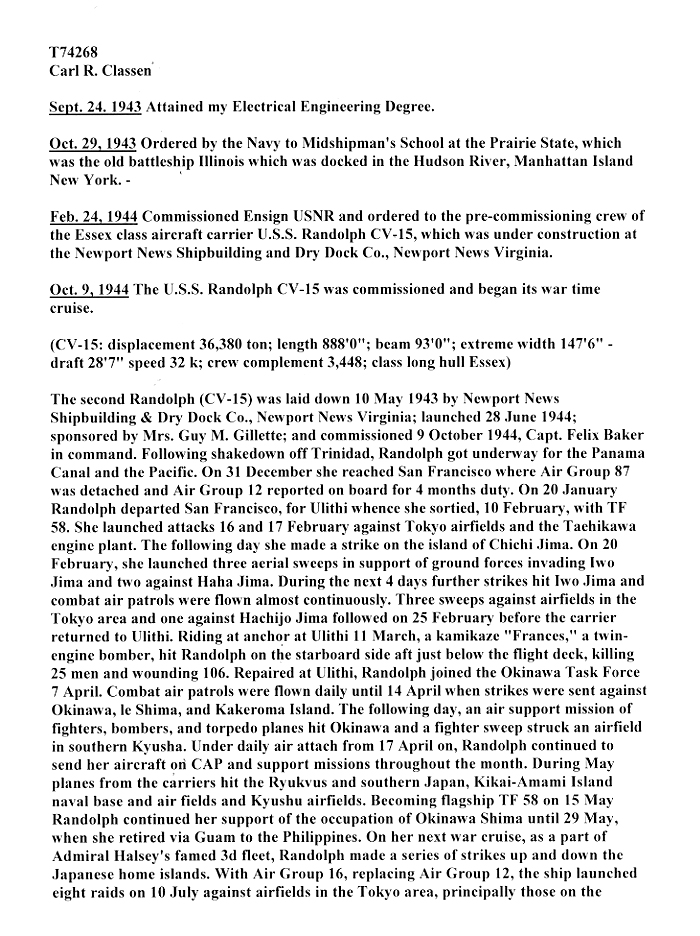
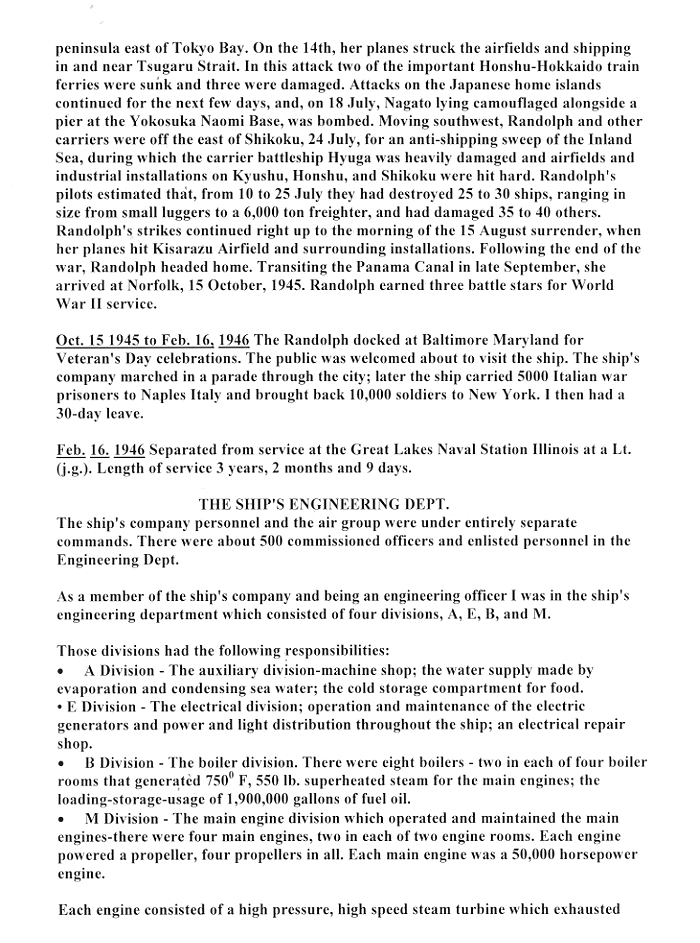
 74291
74291 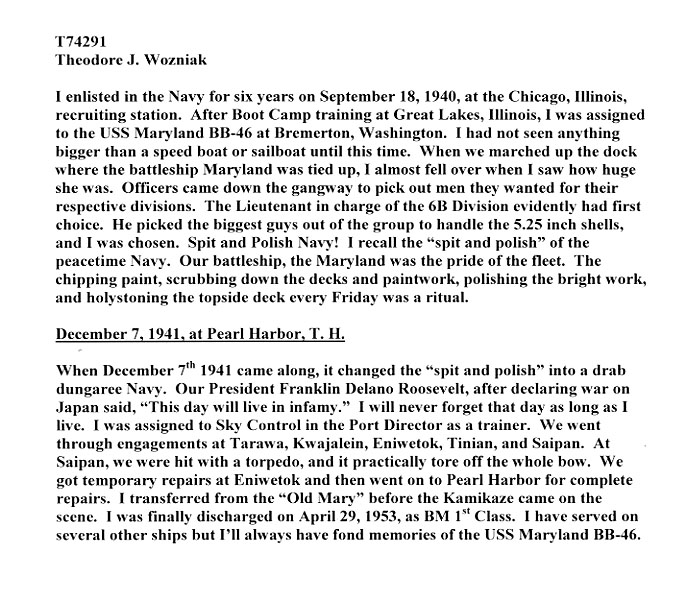 74301
74301 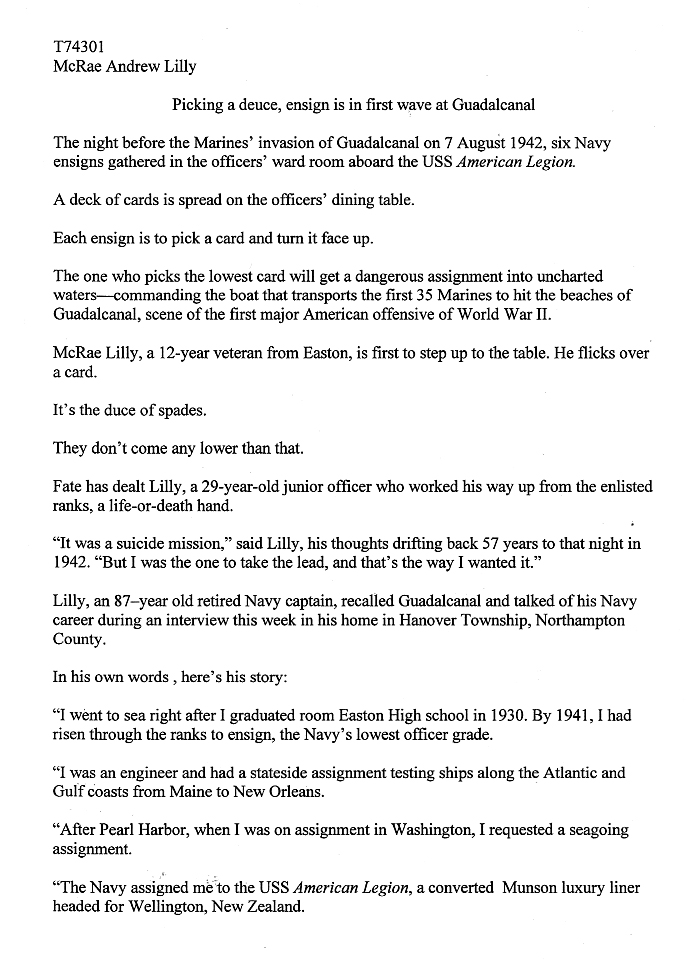
 74360
74360  74364
74364  74399
74399 
74495
 74526
74526  74949
74949  74955
74955  74995
74995  75063
75063  75084
75084  75116
75116 
 75129
75129 
 75229
75229  75313
75313

Robert Byron Fuller
Date of birth: November 23, 1927Place of Birth: Mississippi, Quitman
Home of record: Jacksonville Florida
Status: POW
Robert Fuller graduated from the U.S. Naval Academy at Annapolis, Class of 1951. He was interned as a Prisoner of War in North Vietnam after he was shot down on July 14, 1967, and was held until his release on March 4, 1973. He retired as a U.S. Navy Rear Admiral.
AWARDS AND CITATIONS

Navy Cross
Awarded for actions during the Vietnam War
The President of the United States of America takes pleasure in presenting the Navy Cross to Captain Robert Byron Fuller (NSN: 0-542942), United States Navy, for extraordinary heroism as a Prisoner of War (POW) in North Vietnam during the month of October 1967. During this period, as a prisoner at Hoa Lo POW Prison, he was subjected to severe treatment at the hands of his North Vietnamese captors. As they persisted in their harsh treatment of him, he continued in his refusal to give out biographical data demanded by the North Vietnamese. He heroically resisted all attempts by his captors to break his resistance indicating his willingness to suffer any deprivation and torture to uphold the Code of Conduct. Through those means, he inspired other POW's to resist the enemy's efforts to demoralize and exploit them. By his gallantry and loyal devotion to duty, he reflected great credit upon himself and upheld the highest traditions of the Naval Service and the United States Armed Forces.
General Orders: Authority: Navy Department Board of Decorations and Medals
Action Date: Oct-67
Service: Navy
Rank: Captain
Division: Prisoner of War (North Vietnam)
Submitted by Doug Bewall RMCM USN Ret
75363
 75453
75453  75663
75663 
 75722
75722  75760
75760  75839
75839  75852
75852  75925
75925 
 76000
76000 
76108
 76160
76160 
 76163
76163 
 76165
76165 
 76212
76212  76232
76232  76405
76405 
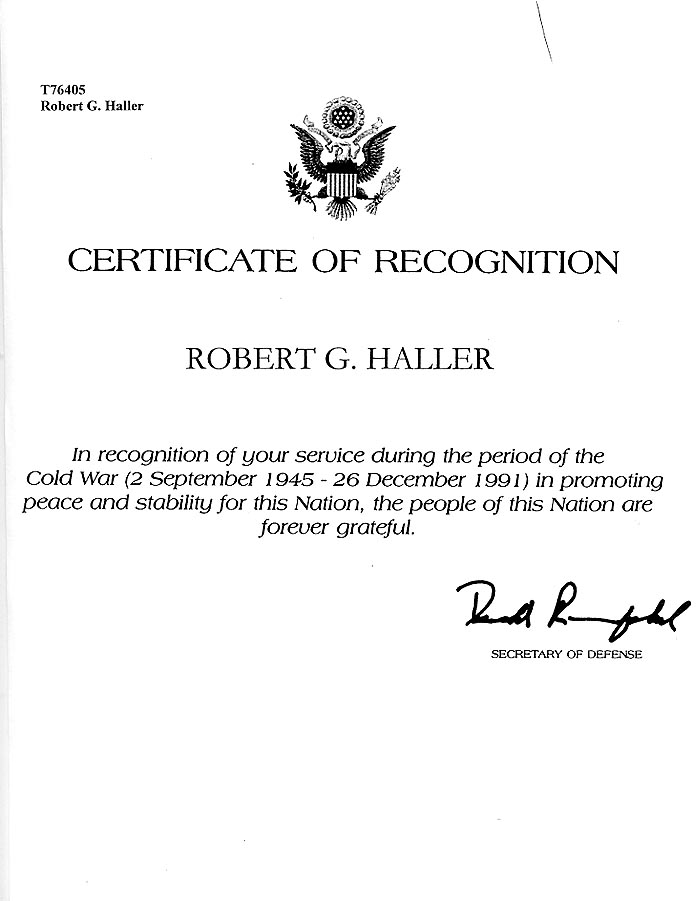
Cold War Victory medal
 76464
76464  76477
76477  76494
76494 
 76495
76495  76563
76563 
 76636
76636  76730
76730  76812
76812  76851
76851 
 76936
76936  76998
76998  77060
77060 
 77189
77189  77268
77268 Trumpet/Post Horn Soloist US Navy Band
77286
 77308
77308  77334
77334  77348
77348 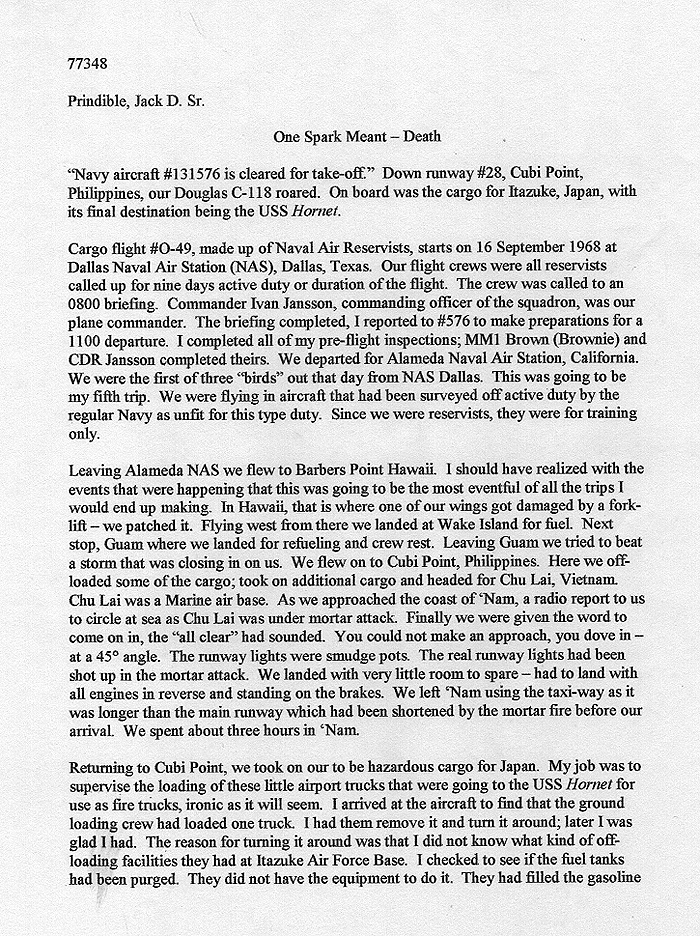
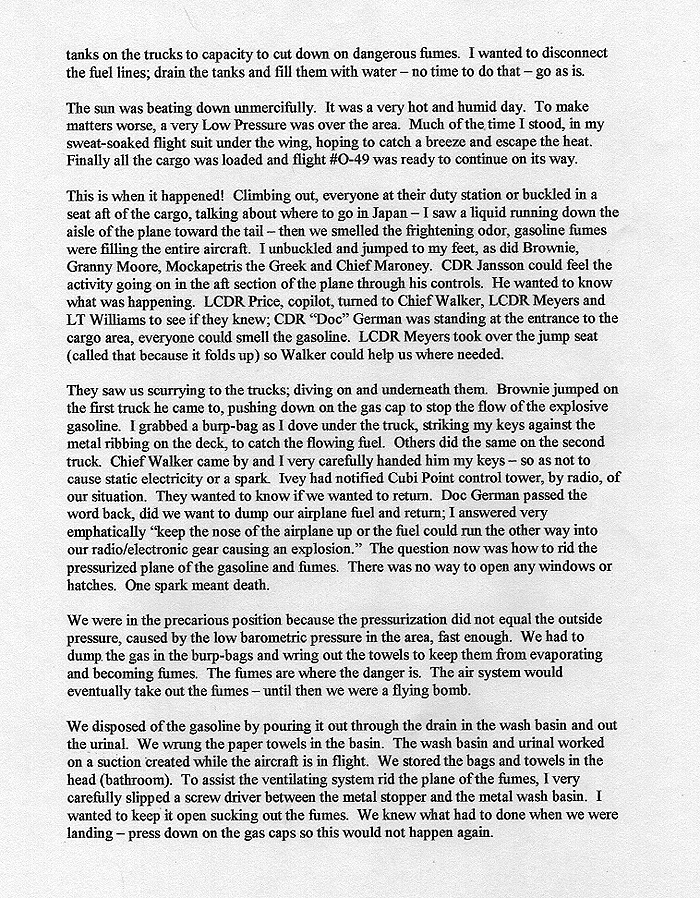
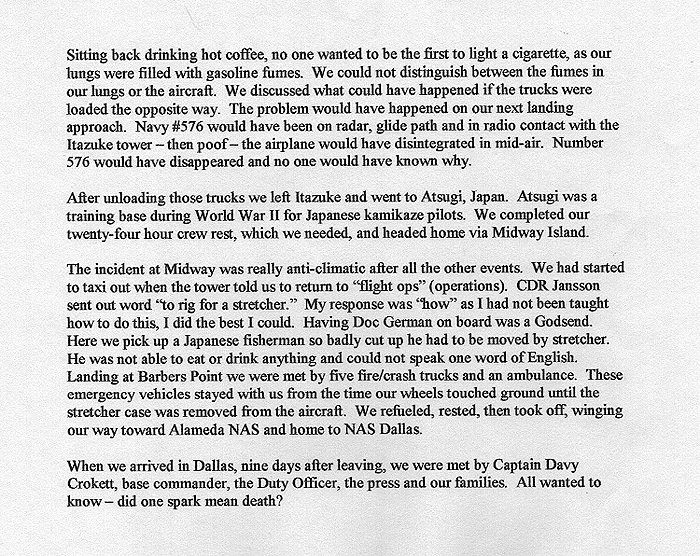 77398
77398 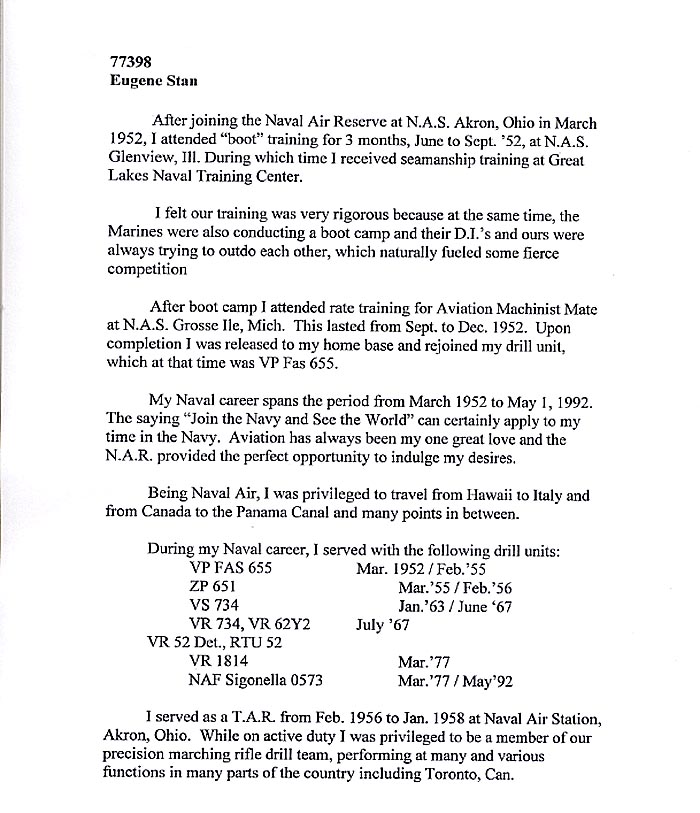
 77504
77504 
 77586
77586  77614
77614  77673
77673 WAVES MEMBER TURNS 100
Article published in June 2012 issue of MILITARY OFFICER MAGAZINE, a monthly publication of the Military Officers Of America:
Kathryn Barclay joined the US Navy in Canton, Illinois, in 1942. On February 9th, as she turned 100 years old, she still remembers fondly her service in the military and her proudest accomplishments. Barclay, who retired as a Lieutenant Commander, was one of the first women to serve with the Women Accepted for Volunteer Emergency Service (WAVES). She served in the Navy as a nurse during World War II and the Korean War. I worked setting up the operating rooms, Barclay says. They wouldn't even go in there until I was there. One time I even got to perform an appendectomy. I was always in the operating room.
Submitted by CDR Roy A. Mosteller, USNR (Ret)
 77721
77721  77728
77728  77815
77815  77879
77879  77881
77881  77912
77912  77935
77935  77983
77983 
 78030
78030 

 78276
78276  78290
78290 
 78366
78366 
 78452
78452  78480
78480 
 78641
78641 
 78782
78782 
 78882
78882 
 78973
78973  78995
78995  79008
79008 
 79024
79024 
 79054
79054  79059
79059  79096
79096  79120
79120  79165
79165  79181
79181  79251
79251 
 79465
79465 ADDITIONAL ITEMS FOR SERVICE MEMORIES:
USS ESSEX CVS-9, CREW MEMBER FOR APOLLO 7 MISSION RECOVERY SHIP AND CREW MEMBER FOR THE DECOMMISSIONING OF THE ESSEX.
TRANSFER CREW MEMBER OF YOSEMITE AD-19 FROM NEWPORT, RI TO MAYPORT, FL.
ADDITIONAL DUTY AS FORENSIC DENTIST, 1973-1992.
79603 79605
79605  79671
79671  79709
79709
HE HELPED TO CAPTURE A GERMAN U-BOAT
On June 4, 1944, an incident without historical precedent since 1815 occurred about 150-miles off the west coast of Africa - the boarding and capture during battle of an enemy warship on the high seas by the US Navy. Phillip N. Trusheim was the coxswain of the whaleboat from the USS PILLSBURY (DE-133) which managed to board and capture the German submarine U-505 in this unique event.
In a 2004 interview, Trusheim said that he enlisted in the Navy in 1941 and was stationed at the Naval Air Station at Kaneohe Bay, Hawaii, when the Japanese attack Pearl Harbor. He remembers that he was very scared as he watched Japanese bombs fall around him that Sunday morning. Less than a month later he was assigned to the USS WRIGHT (AV-1), a supply ship that delivered supplies throughout the South Pacific during the early days of WWII. In early 1943 he was transferred to the USS PILLSBURY, a destroyer escort commissioned in June 1943. In June 1944, PILLSBURY was escorting the escort aircraft carrier USS GUADALCANAL (CVE-60) as a member of antisubmarine hunter-killer Task Group 22.3 which had sailed from Norfolk on May 15, 1944, on its third mission. During its first two forays in January and April, Task Group 22.3 had badly damaged one German U-boat and sunk three others. CAPT Daniel V. Gallery, the task group commander aboard GUADALCANAL formed an audacious plan to force a damaged German U-boat to the surface, force its crew overboard, and then board and capture it before it sank. On May 17, 1944, CAPT Gallery sent a message to his escort ships: EACH ESCORT DRAW UP PLANS AND ORGANIZE A PARTY TO BOARD-CAPTURE AND TAKE SUB IN TOW IF OPPORTUNITY ARISES. CAPT Gallery later exclaimed, The plan worked to perfection! During an interview in 2004, Trusheim remarked that although he thought the plan to capture a German submarine was Nuts when he first heard about it, he volunteered and was assigned duty as coxswain of the PILLSBURY boarding party whaleboat.
Until the bright and sunny morning of Sunday, June 4, 1944, the passage of Task Group 22.3 had been uneventful and with fuel running low CAPT Gallery had ordered them to make for Casablanca to refuel. At 1109 one of the escorts reported, WE ARE INVESTIGATING POSSIBLE SOUND CONTACT. At 1112, the escort signaled her confirmation of the contact as a submarine, later identified as the U-505, and fired a full pattern of hedgehogs at the submerged contact. The contact-detonated hedgehogs missed their target. Two Wildcat fighter planes from GUADALCANAL, which had been providing air cover, immediately commenced searching, quickly sighted the submerged U-boat and marked its location by firing into the water directly over it. A second depth charge attack brought the damaged submarine to the surface where it found itself in the worst possible location as it was surrounded by TG 22.3 ships which commenced a heavy barrage of antipersonnel fire designed to force the crew overboard without causing serious structural damage.
At the orders of their commanding officer, the U-505 crew opened scuttling valves, set demolition charges and quickly dove overboard from the sinking U-boat. Seeing the crew abandoning the U-boat, an order not heard aboard a U.S. Navy ship in over 100-years was sounded - Away all boarding parties. The PILLSBURY whaleboat, with Trusheim at the tiller, commenced chasing the obviously sinking submarine which was moving at about 6-knots in a tight circle to the right with its rudder jammed from the depth charges, afterdeck completely submerged, the bow high and the conning tower barely awash. Trusheim said it took him about 10 to 10 minutes to reach the U-505 which he did by cutting across its circling path. He ran his boat up the U-505's starboard side hoping that the pressure of the U-boat bearing to the right would aid him in butting the whaleboat up against the conning tower rail. On reaching the U-505 the boarders managed to snag a railing with a boat hook and the boarders struggled to scramble aboard. One member of the boarding party was not so fortunate and was seriously crushed when he fell between the whaleboat and conning tower, thus becoming the only American casualty of the operation.
Once the boarding party was aboard the rapidly sinking U-505 they found that all of the crew had abandoned ship so they quickly set about their assigned duties of stopping the flow of water into the U-boat, locating and disarming explosive charges, and retrieving documents and equipment of very significant intelligence value. Their herculean efforts were rewarded as they managed to keep U-505 afloat, eventually stop its engines, restore electricity and air pressure and pump out the water. The boarding party raced against time to perform the numerous superman tasks to keep their prize intact. They took over the U-505 in a foundering condition, with water pouring in from all sides. Most of the men had never set foot on a submarine but they managed to check the flow of water just a hair short of sinking. If the U-505 had gone down it would have undoubtedly taken the boarders with her as the conning tower hatch had been closed to stop the flow of water as waves washed over the rapidly sinking U-boat. As members of the boarding party struggled below, Trusheim continued to man the whaleboat and made trips to the PILLSBURY to return the seriously injured man for medical aid, and to obtain tools and equipment needed to keep the U-505 afloat. During his 2004 interview Trusheim was asked if he had been scared during this action and he replied that he was too busy to be scared and that he had not been nearly as frightened as he was on December 7th when watching Japanese bombs drop near him at Kaneohe Bay.
The Commander in Chief, US Atlantic Fleet, later remarked, The Task Group's brilliant achievement in disabling, capturing and towing to a United States base a modern enemy man-of-war in combat on the high seas is a feat unprecedented in individual and group bravery, execution, and accomplishment in the Naval History of the United States.
The whole Task Group 22.3 was awarded the Presidential Unit Citation. The members of the PILLSBURY's boarding party, including Phillip Trusheim, were awarded the Silver Star for their heroic actions.
Submitted by CDR Roy A. Mosteller, USNR (Ret)
83256Excerpts from obituary published in San Diego Union-Tribune on 10/10/2013:
The family of Captain Richard Francis Schillaci, MD, was saddened by his passing on September 25, 2013. CAPT Schillaci was a native of Baltimore, Maryland, a graduate of Johns Hopkins University and the University Of Maryland Medical School. His specialty training included Deep Sea Diving School in Washington, DC, and Submarine Medical School in Groton, Connecticut. He served as Medical Officer on the USS SAM HOUSTON, the USS ULYSSES S. GRANT and was an instructor at the Naval Submarine Medical Center before leaving the submarine service. He completed his Internal Medical Residency at St. Albans Hospital in New York. The family moved west in 1968 when he joined the internal medicine staff as head of the Pulmonary Disease Section at the Naval Hospital Oakland, California. He fulfilled his last post at the Naval Hospital San Diego where he served as Head of the Pulmonary Division and Director of Training. His numerous professional affiliations include: Fellow, American College of Chest Physicians; Fellow, American College of Physicians; American Thoracic Society; Association of Military Surgeons; Undersea Medical Society; Naval School of Health Sciences; Specialty Advisor to the Naval Medical Command, Washington, DC. He shared his life journey with his beloved wife Patricia (deceased 2004) and his two daughters. CAPT Schillaci is survived by his daughters, his mother, and sister. He will be greatly missed. In accordance with his wishes there will be no public memorial service and he will have a military burial at sea with full honors. Donations may be made in his honor to the American Cancer Society and the Wounded Warrior Project.
Submitted by CDR Roy A. Mosteller, USNR (Ret)
83274 83385
83385 
 83481
83481 
 83677
83677 
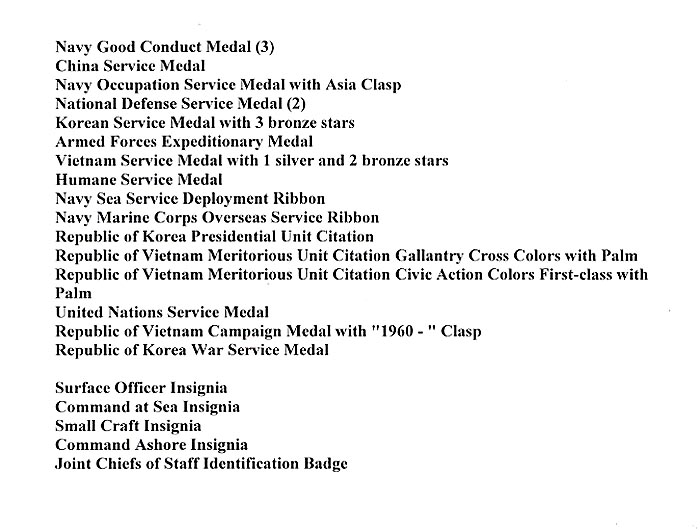 83687
83687 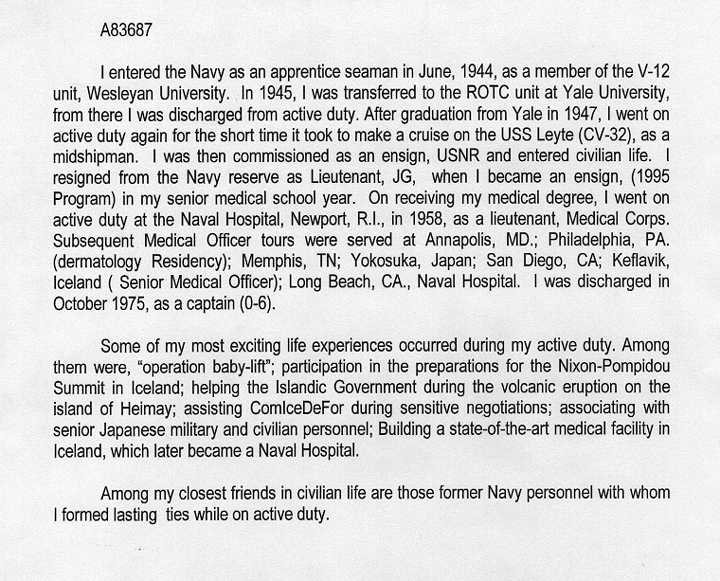 83727
83727 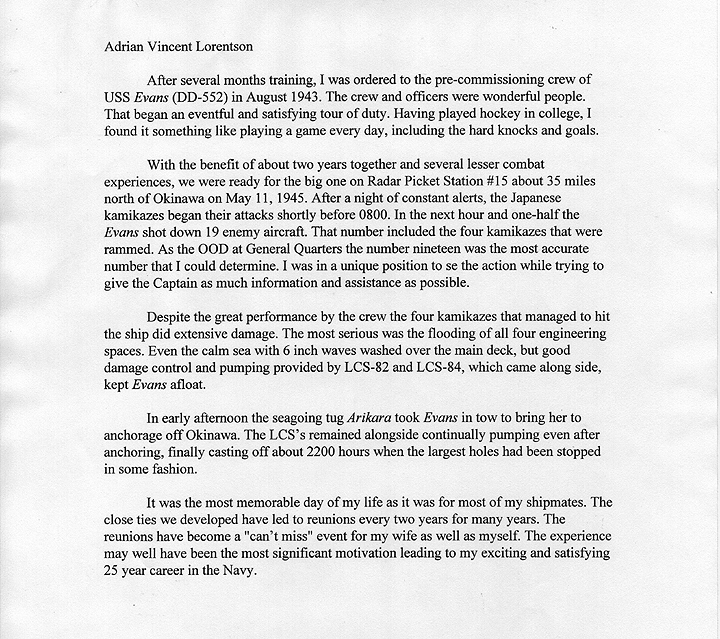 83731
83731 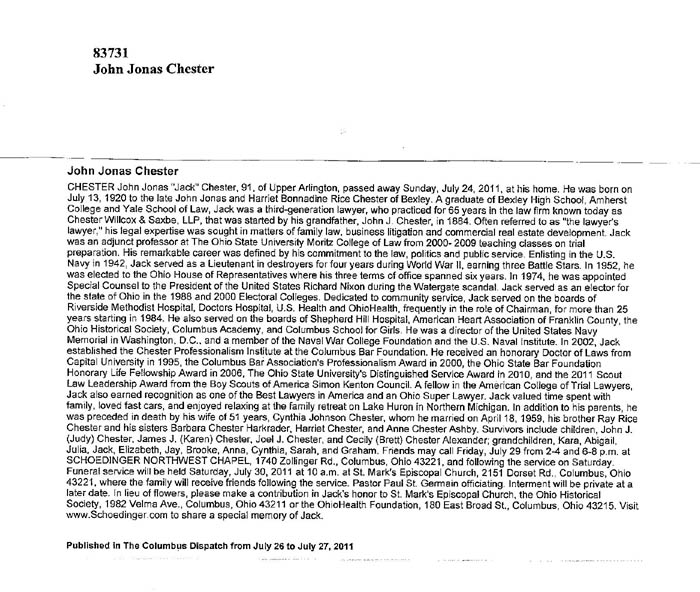
83733
 83750
83750  83775
83775  83790
83790 
 83849
83849 
 83869
83869  83906
83906  84052
84052 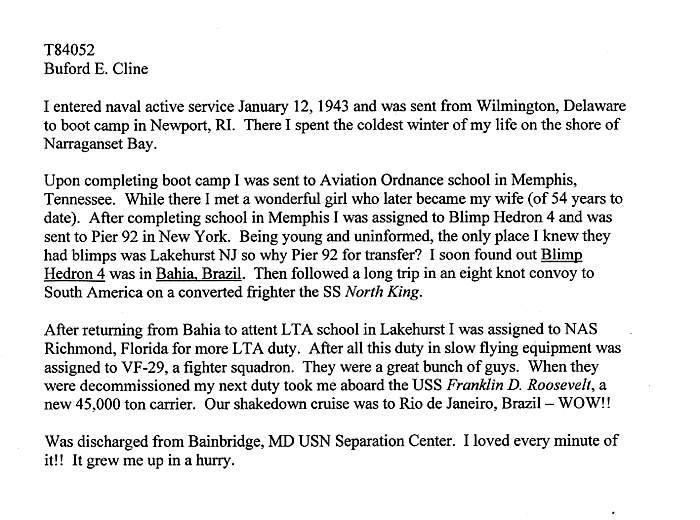 84103
84103 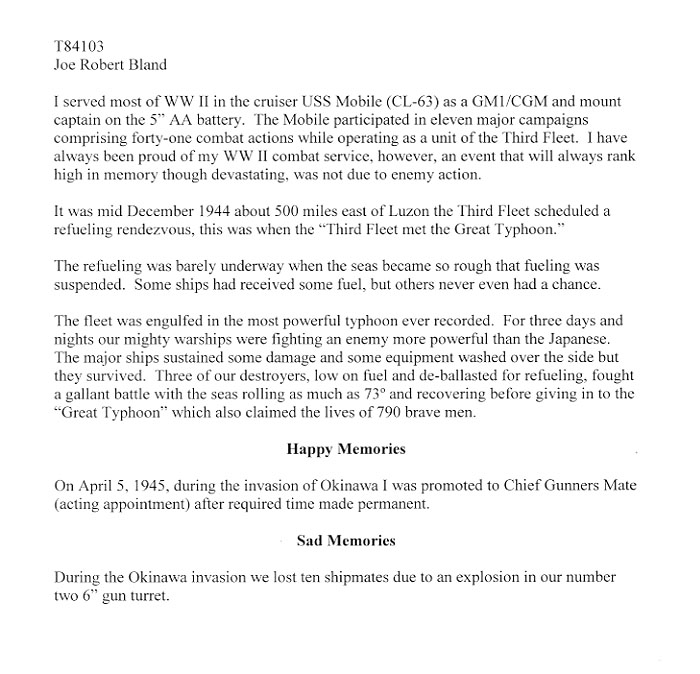 84140
84140 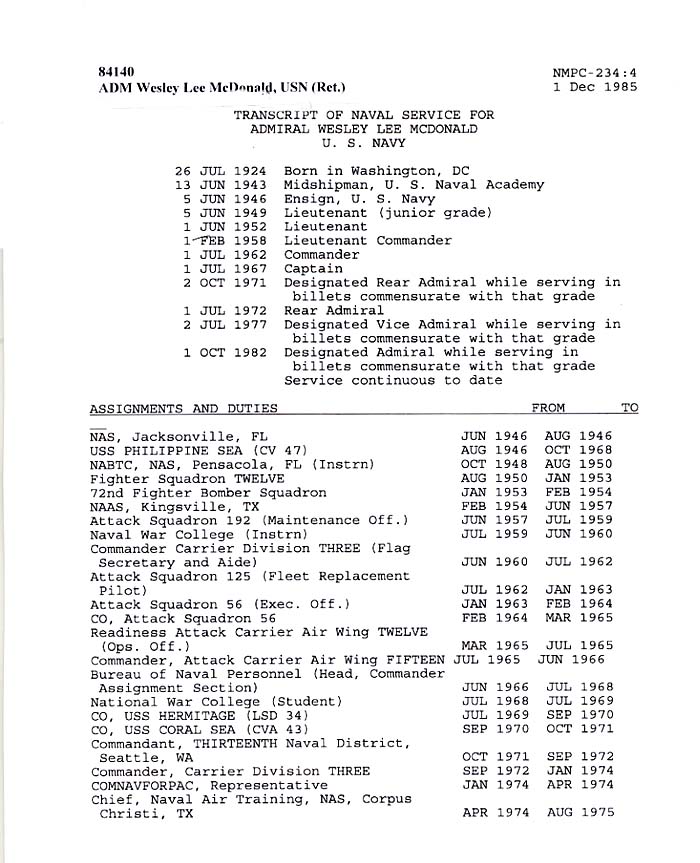
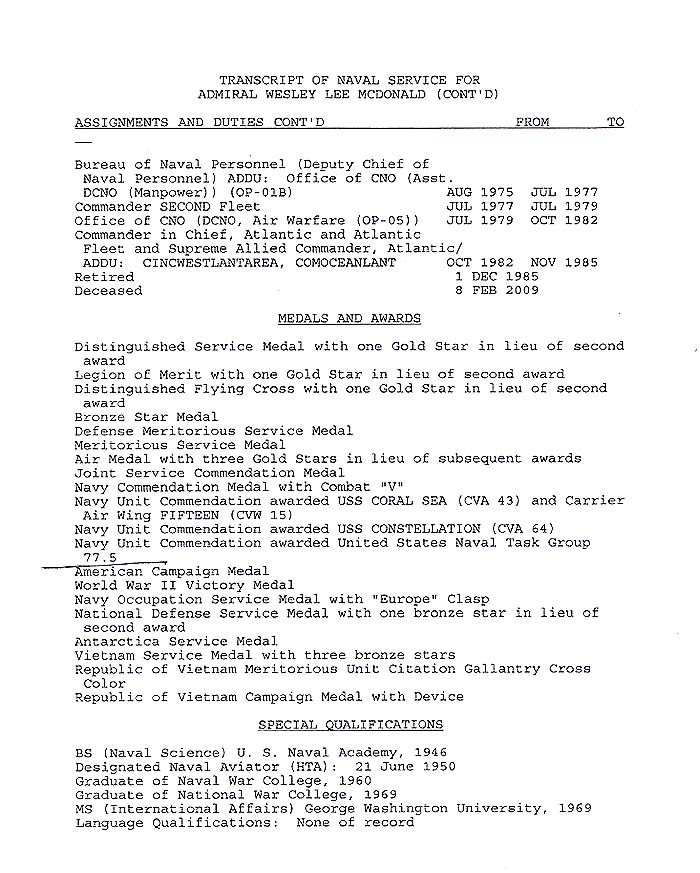
 84155
84155 
 84305
84305  84391
84391  84446
84446 EISELE, GEORGE RAYMOND
Citation:
The President of the United States takes pride in presenting the Navy Cross (Posthumously) to George Raymond Eisele, Seaman Second Class, U.S. Navy (Reserve), for extraordinary heroism and devotion to duty in action against the enemy while serving as a Gunner aboard the Heavy Cruiser U.S.S. SAN FRANCISCO (CA-38), during an engagement with Japanese naval forces near Savo Island in the Solomons on the night of on November 12 and 13 1942. Courageously refusing to abandon his gun in the face of an onrushing Japanese Torpedo Plane, Seaman Second Class Eisele, with cool determination and utter disregard for his own personal safety, kept blazing away until the hostile craft plunged out of the sky in a flaming dive and crashed on his station. His grim perseverance and relentless devotion to duty in the face of certain death were in keeping with the highest traditions of the United States Naval Service. He gallantly gave up his own life in the defense of his country.
Submitted by Doug Bewall RMCM USN Ret
 84640
84640 
 84786
84786 
 84788
84788
84788 Marjorie Herbert Theriot
My Service Memories
I have a solemn duty to the United States Navy and my beloved country to document my service in World War II.
I was discharged on 13 March 1946, and I am proud to have served in our Navy.
I was first in my 16-week class to master the Top Secret Japanese code, taught at the U. S. Navy Advanced Radio Station on Bainbridge Island, Washington. My duty was to intercept messages that Radio Tokyo sent to all their ships at sea and island stronghold in the Pacific.
The U.S. Navy was diligent in its strategic attacks and maneuvers so as not to reveal we had broken the Code Purple.
A page inserted in my records stamped November 17,1945, imperial Beach Radio Station, to be shown to all future employers, states that I.held a position of special trust under oath of secrecy and no attempt be made to extract further information.
It was not until 1995,50 years after signing of the Peace Treaty with Japan, that President Clinton announced the declassification of many of World War ll's Top Secret documents. It was only then that I was able to reveal to family and friends the nature of my duties as a Radioman in the United States Navy.
My service as a Navy WAVE was the most challenging and rewarding experience of my youthful years before my later life as wife and mother. Today, I still have that intense feeling of patriotism, and I am proud to have served my beloved country in World War II.
Respectfully submitted, Marjorie Herbert Theriot May 24, 2012
84789
 84915
84915 
 84962
84962 
 85075
85075  85108
85108 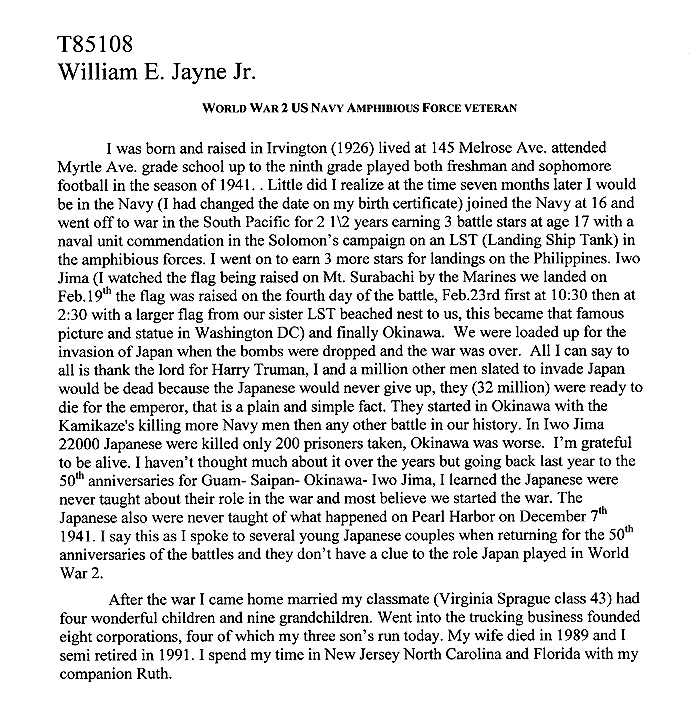 85110
85110 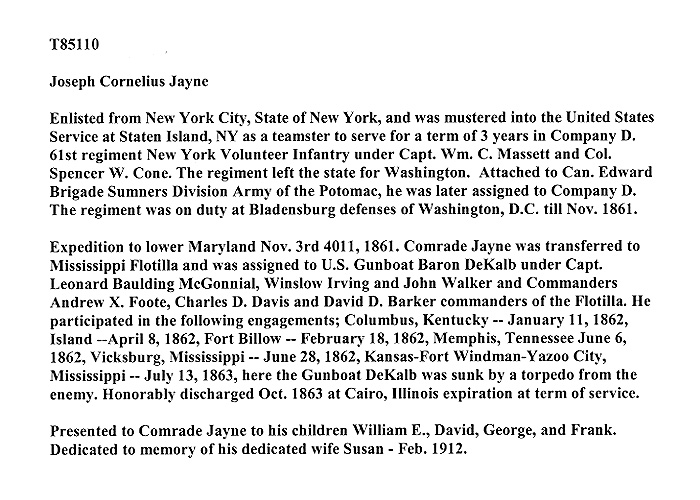 85123
85123 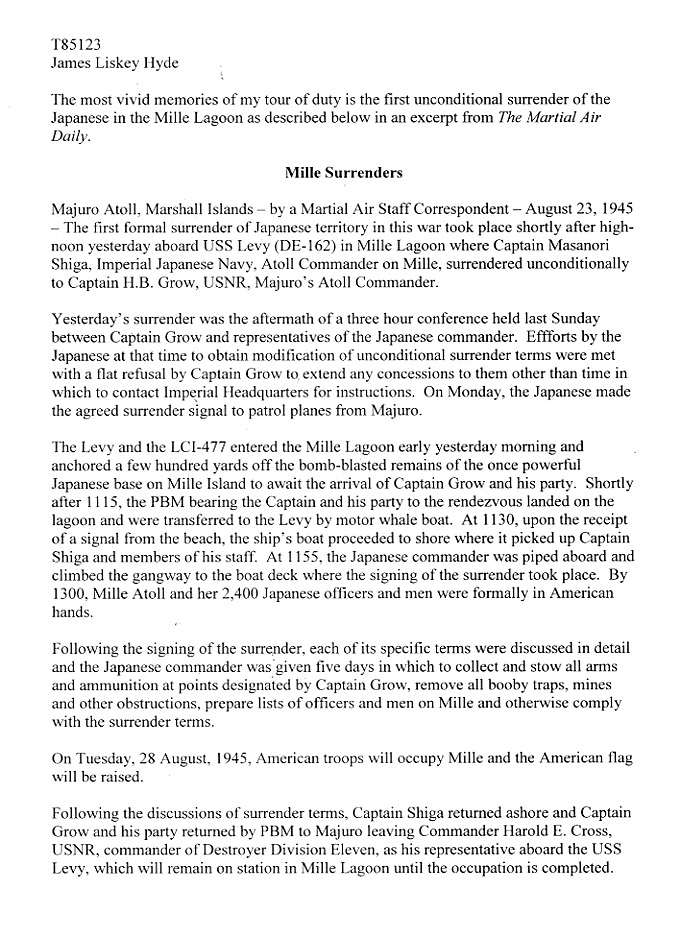
 85296
85296 
 85336
85336  85361
85361  85506
85506  85533
85533  85544
85544  85560
85560  85671
85671 
 85751
85751  85947
85947  86156
86156  86173
86173 
 86212
86212  86284
86284 Excerpts from obituary published in San Diego Union-Tribune on April 29, 2012:
Jerry Tingle was born on October 26, 1929, in Fort Worth, Texas. At the early age of 16 he joined the Navy during January 1946 and was sent to San Diego for basic training. Here he began a long Navy career lasting until September 1975 when he retired with the rank of Chief Warrant Officer-W3. He had settled with his family in San Diego and having a passion for golf, was well known for coordinating tournaments on the military courses in San Diego. He helped organize and run the Retired Old Duffers, RODS, a golfing group still going strong at the time of his passing. He will be remembered for his passion for life and for his generosity to so many. Jerry died on April 14, 2012, and will be laid to rest at Fort Rosecrans National Cemetery in San Diego.
Submitted by CDR Roy A. Mosteller, USNR (Ret)
86497
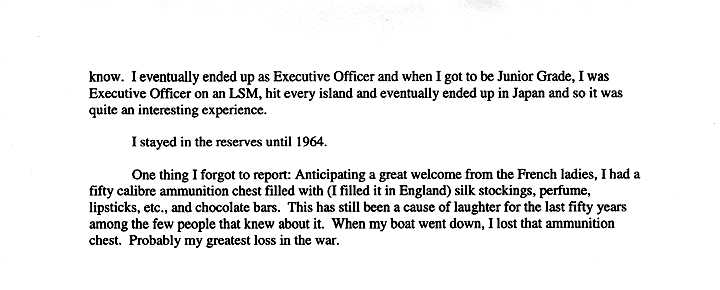
My father was a proud sailor! His service inspired four brothers, two sons and a grandson to follow his footsteps. Thank you Dad for leading the way.....fair winds and following seas......Sailor rest your oar!
86500 86636
86636 
 86707
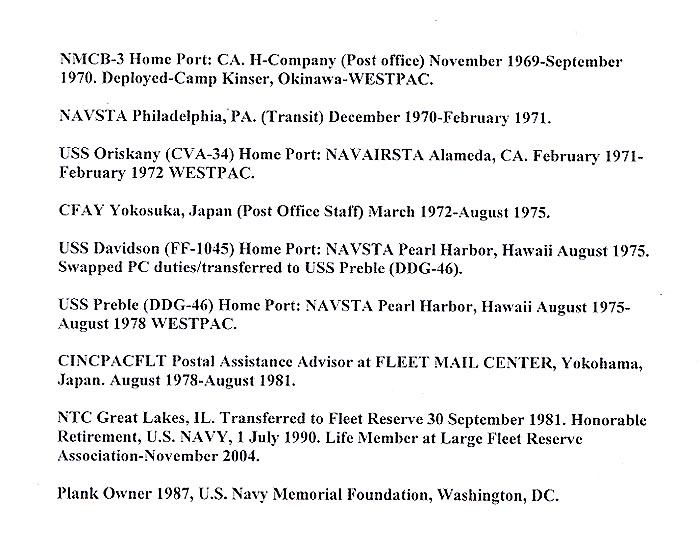
86707 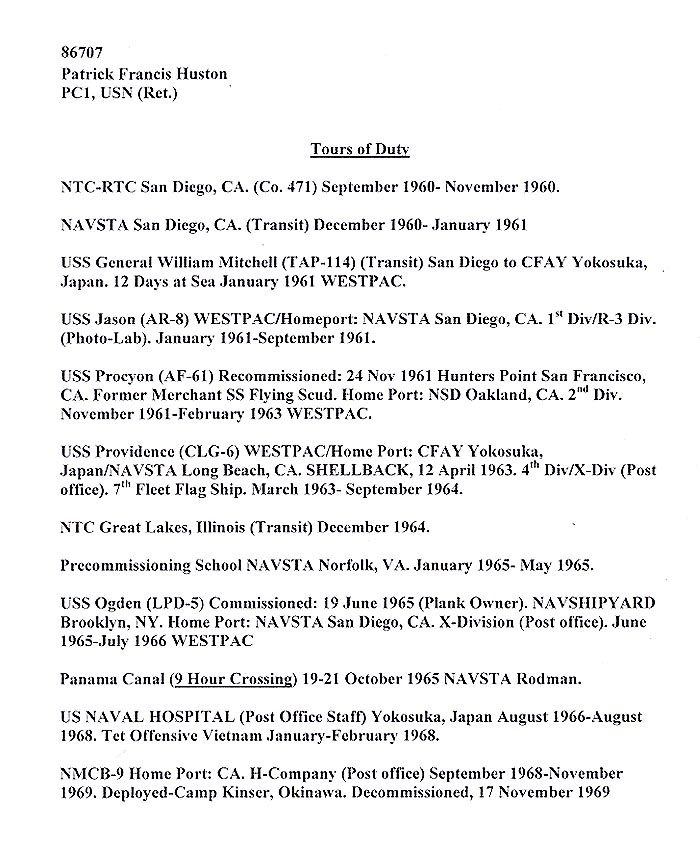
 86737
86737 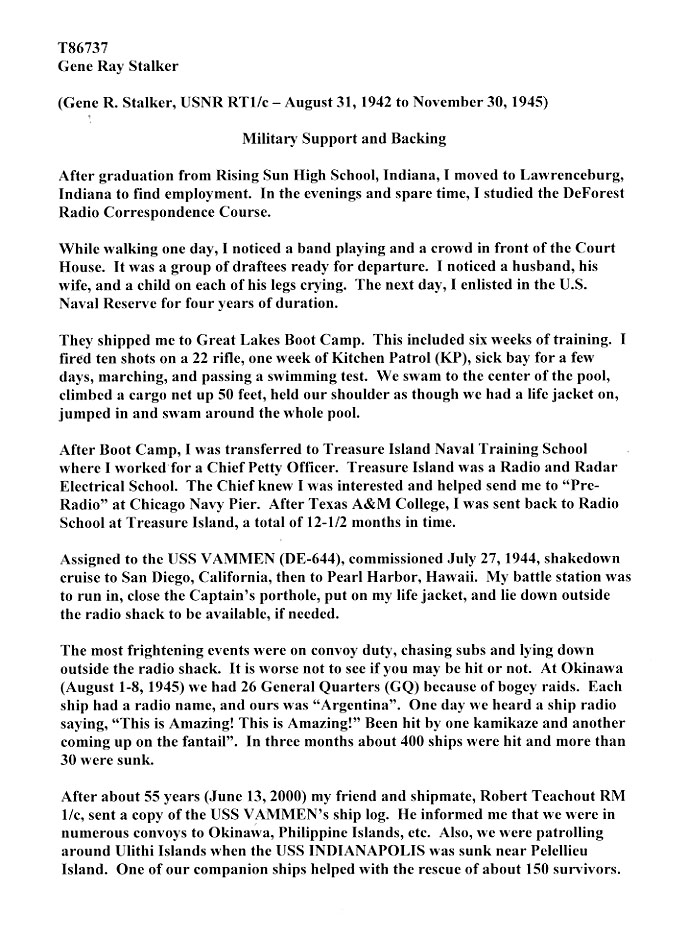
 86784
86784  86788
86788  86796
86796 
 86934
86934  87030
87030 
 87036
87036  87077
87077 

 87132
87132  87221
87221 
 87294
87294  87298
87298 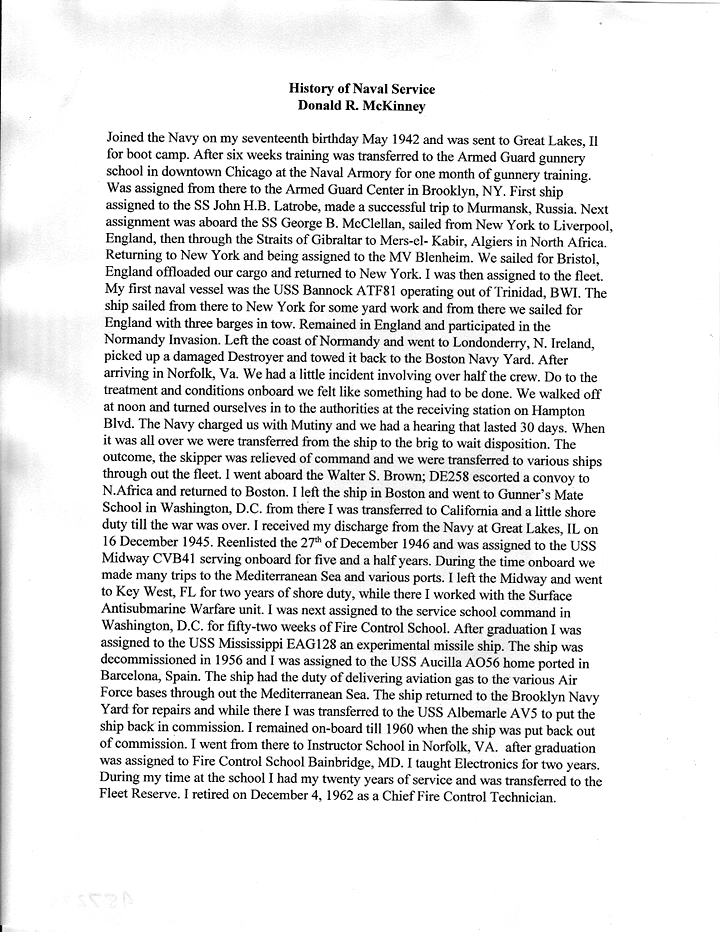 87339
87339
William Dwight Chandler , Jr.
Date of death: 25-May-77William Chandler graduated from the U.S. Naval Academy at Annapolis, Class of 1911. He retired as a U.S. Navy Captain.
AWARDS AND CITATIONS
Navy Cross
Awarded for actions during the World War I
The President of the United States of America takes pleasure in presenting the Navy Cross to Lieutenant Commander William Dwight Chandler, Jr., United States Navy, for distinguished service in the line of his profession as Commanding Officer of the U.S.S. MacDONOUGH, engaged in the important, exacting and hazardous duty of patrolling the waters infested with enemy submarines and mines, in escorting and protecting vitally important convoys of troops and supplies through these waters, and in offensive and defensive action, vigorously and unremittingly prosecuted against all forms of enemy naval activity, during World War I.
Action Date: World War I
Service: Navy
Rank: Lieutenant Commander
Company: Commanding Officer
Division: U.S.S. MacDonough
Submitted by Doug Bewall RMCM USN Ret
87354
Navy Log Entry
November 25, 1975, single engine E-1B, Bureau Number 148909, on climb out off the USS Oriskany, CVA-34: The sea state at the carrier was too great, 16 plus foot swells, to allow a single engine arrested landing aboard the ship. The aircraft was bingoed to Cubi Point, Philippines, 110 miles away. Fuel was dumped, and NFO, LT Zip Ziemer, threw out electronic gear to lighten the aircraft. Aircraft continued to lose altitude until it flew into ground effect at about 80 feet above the ocean. Once the aircraft flew into Subic Bay, it again lost altitude to about 30 feet above the bay. It was so low that it had to fly around Grande Island for a straight in landing at Cubi Point. Upon landing the one good engine quit. Maintenance found no measurable fuel in the aircraft’s tanks and had to do a double engine change. Plane Commander LT Bill Leins and Copilot LTJG Larry Rhea did an excellent job of saving the crew, for it is felt that if we had ditched the aircraft in the high sea state, the crew would not have survived
87400 87489
87489 
 87506
87506  87557
87557 My Dad suffered thru the depression and in the fall of 1940 he volunteered for the Civil Conservation corps program which was part of the United States Army. My Dad went to Alexandria, Virginia to work on the old Army base called Fort Hunt. Today Fort Hunt is a national park, which during the Second World War was a place that held German prisoners of war. All my Dad ever told me about his time at Fort Hunt was dodging Hillbillies who were upset at them for fooling with their daughters.
On December seventh of 1941 the United States was attacked by the Japanese at Pearl Harbor and Wake Island. The next day my Dad enlisted in the military. He wanted to be a Marine but instead chose to be a sailor. His became a Machinist Mate using many of the skills that he learned working with my Grandfather in the hills of Manayunk.
I remember being 17 and thinking I knew everything but could not imagine what he did at that age. My Dad after boot camp in Great Lakes, Chicago was assigned to the brand new USS Indiana battleship at Newport News, Virginia. He would be one of the original plank holders who put her into service. After shakedowns and training they left Hampton Roads, Virginia and traveled thru the Panama Canal. The "Virgin ark" arrived at New Caledonia in the south Pacific in November of 1942 and soon engaged the enemy. Their first task was to protect the carriers Saratoga and Enterprise as well as secure the slot against the Tokyo express. The Marines were on Guadalcanal and the future looked bleak. After Guadalcanal was held, my Dad took part in raids in the Marshall, Gilbert and Solomon Islands. Her main task still was to protect the fast carriers.
Soon after the landings on Tarawa the USS Washington collided with the USS Indiana at nighttime. A large number of lives were lost in this collision. My Father was on watch down in the engine room and got shaken up. The Indiana was taken to Bremerton, Washington for repairs but soon returned to the South Pacific.
The next task was to knock out the large Japanese Naval base at Truk Atoll. This would be revenge for Pearl Harbor when the Japanese attacked our main naval base.
My Dad next took part in the Battle of the Philippine sea which was also to be known as the Great Mariana turkey shoot due to the annilation of the Japanese air power by our brave pilots and guns of the fleet. This all took place during the taking of the islands Tinian, Guam and Saipan. I recall my Father telling about seeing the Japanese civilians jumping to their deaths from the cliffs on Saipan.
My Dad then took part in the bombardment of the island of Palau so the Philippines could be liberated. Palau was a Japanese fighter base, which McArthur felt needed to be taken. After this invasion was completed the Indiana headed to Pearl for repairs while my Dad got much needed rest. The battle of Leyte Gulf took place while my Dad was lying on the beach and doing the hula.
After the Indiana was repaired my Dads vacation was over and they then took part in the bombardment of Ivo Jima and Okinawa. At this time the Japanese sent the massive battleship Yamato to sea. The task force that the Indiana was part of hunted down the Yamato and put her under the waves. Soon after the landings on Okinawa the fleet encountered a terrible Typhoon which sank a large number of ships.
During this period the Japanese were employing suicide planes against the American fleet. One struck the Indiana earlier off the coast of Saipan. Luckily the Kate bomber did not explode and no lives were lost. Again I am reminded of being at my Fathers age and thinking I knew it all. I wasn't even close.
In 1945 victory would come over Japan. Five months shy of his twenty first birthday, my Father had lived more then most of us will in an entire lifetime. My Dad would continue to serve his country proudly for seventeen more years before retiring and becoming a mailman. He would serve on other ships in the coming years but none would endear him like the USS Indiana. They went into harms way and survived. My Father served on the cruiser USS Toledo, as well as the Ajax and Pollock. He was stationed in the Philippines for five years as well as Japan, San Diego and finally Treasure Island where he met my Mother.
My Father was a member of the greatest generation and my hero
87646  87737
87737  87825
87825  87908
87908 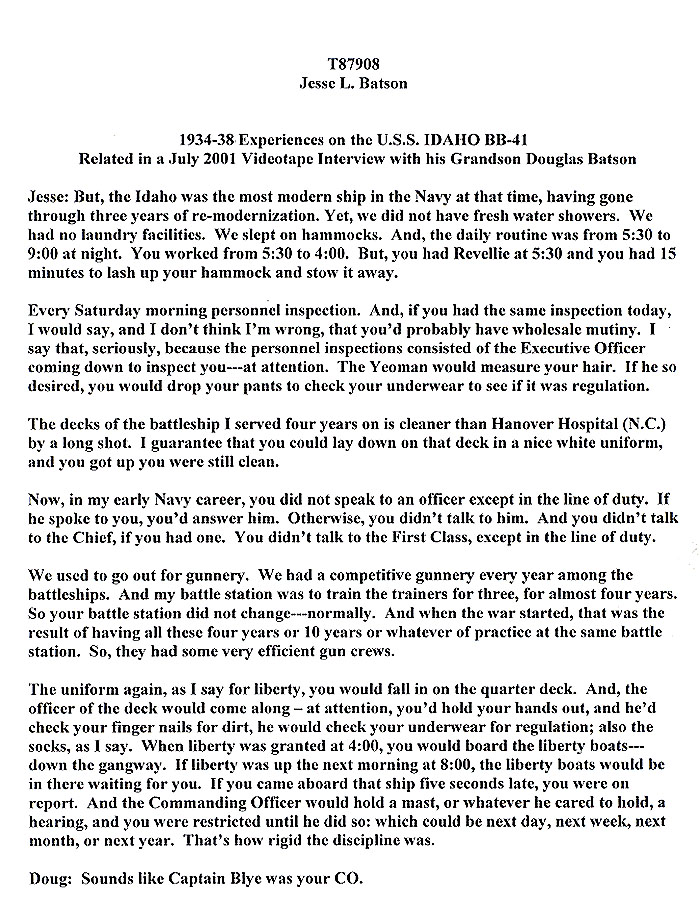
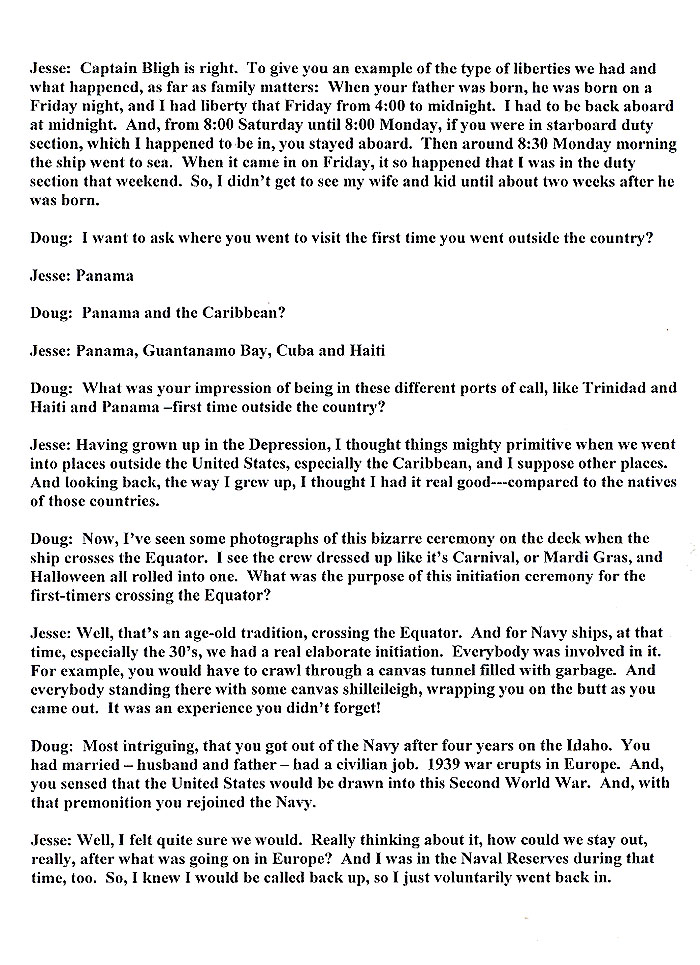 87999
87999 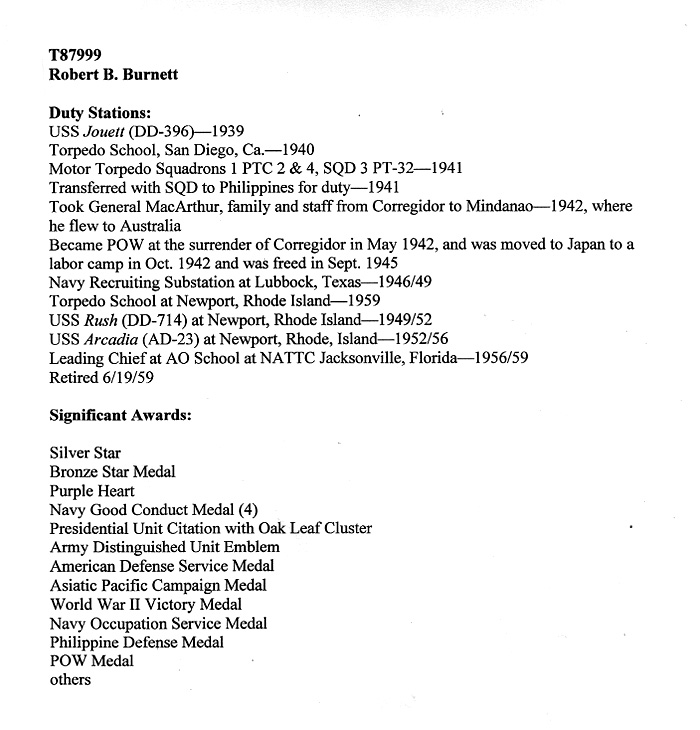 88143
88143 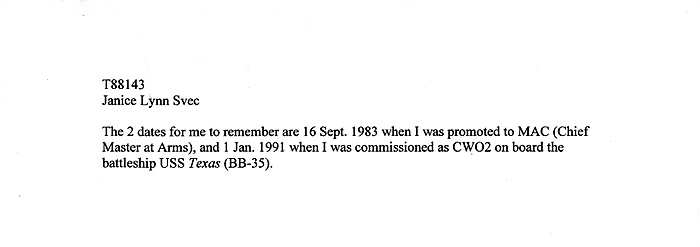 88238
88238 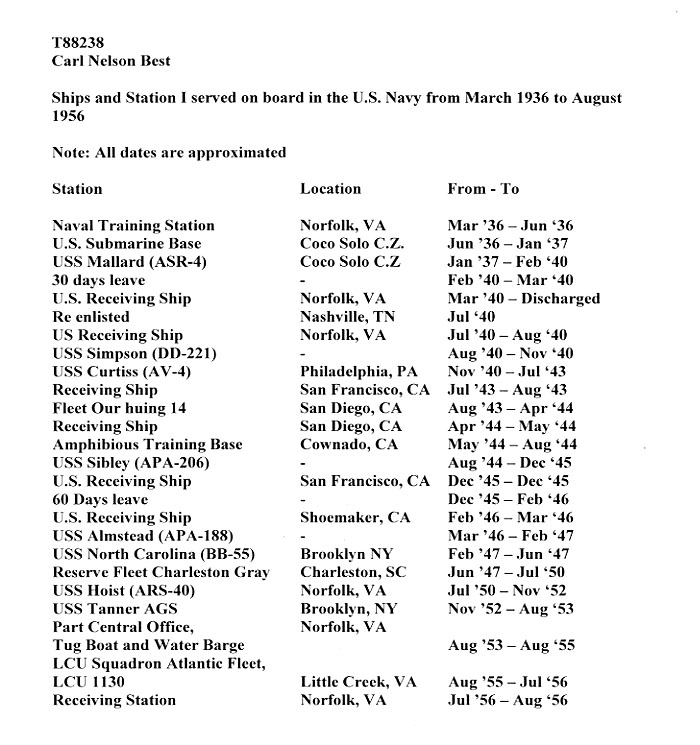 88239
88239 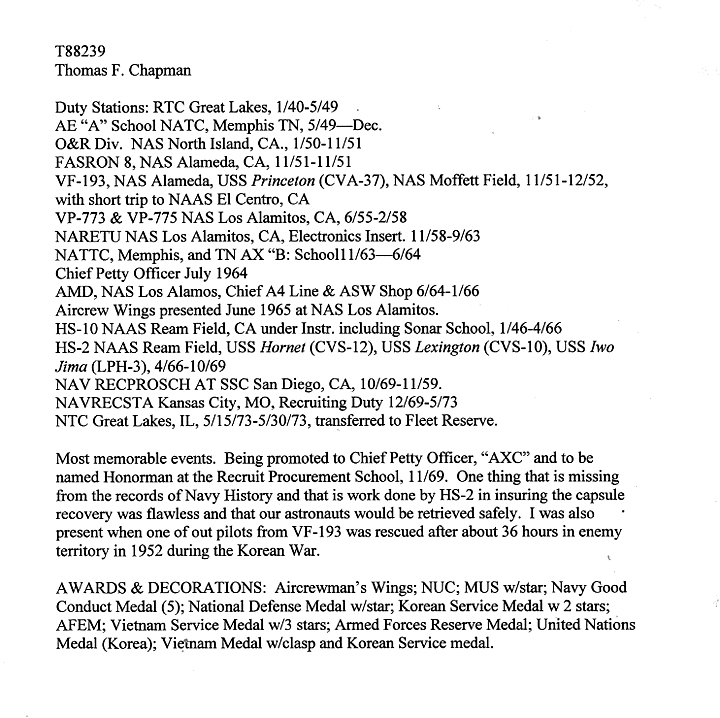 88243
88243  88367
88367 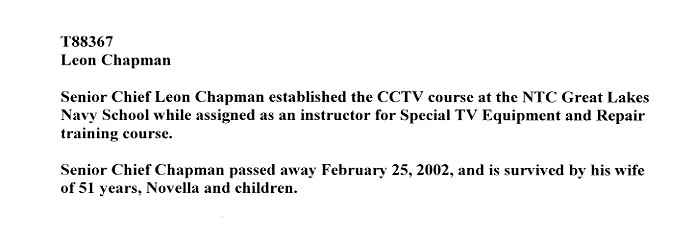 88465
88465 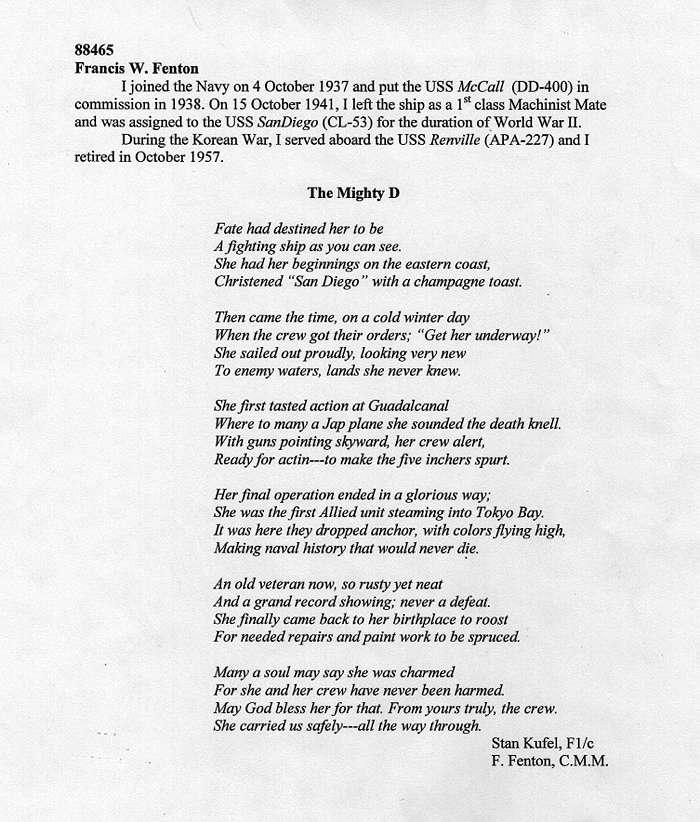 88520
88520  88733
88733  88756
88756  88792
88792  88999
88999  89023
89023
|
Name: |
USS Bismarck Sea |
|
Builder: |
|
|
Laid down: |
31 January 1944 |
|
Launched: |
17 April 1944 |
|
Commissioned: |
20 May 1944 |
|
Fate: |
Sunk by kamikazes[1] during the Battle of Iwo Jima on 21 February 1945 |
During July and August 1944, Bismarck Sea escorted convoys between San Diego, California, and the Marshall Islands. After repairs and additional training at San Diego, she steamed to Ulithi, Caroline Islands, to join Admiral Thomas C. Kinkaid's 7th Fleet. During 14-23 November 1944, she operated off Leyte in support of the operations and later took part in the Lingayen Gulf landings (9-18 January 1945). On 16 February, she arrived off Iwo Jima to support the invasion.
On 21 February 1945, despite heavy gunfire, two Japanese kamikazes hit the
According to the Dictionary of American Naval Fighting Ships, Edmonds directed the rescue operations of the remaining hands, saving 378 of the carrier's crew including the commanding officer, in spite of darkness, heavy seas and continuing air attacks. Thirty of
89171
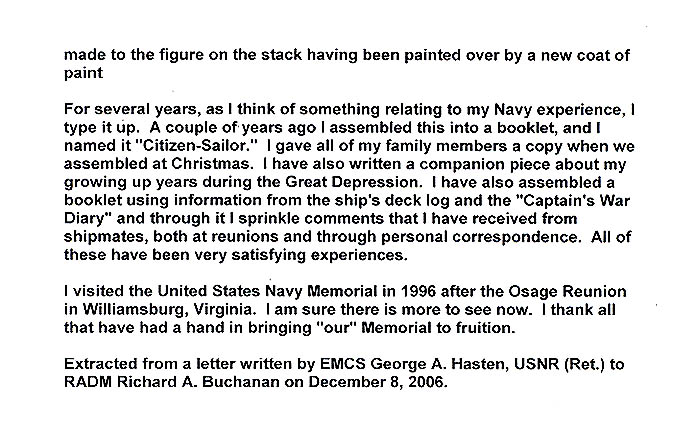
 89245
89245 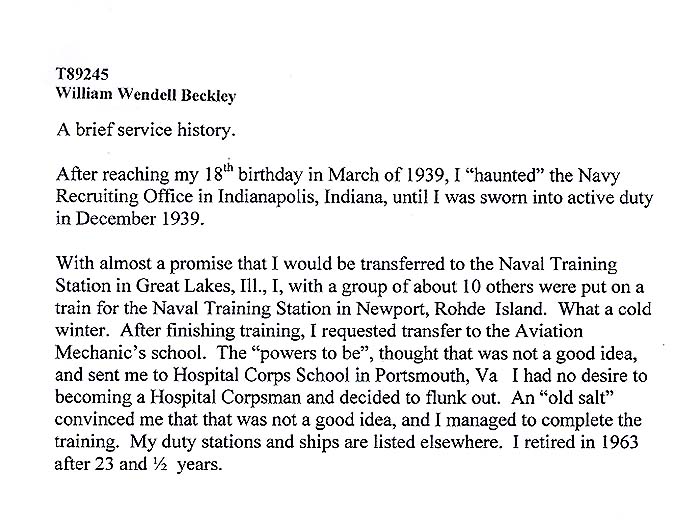

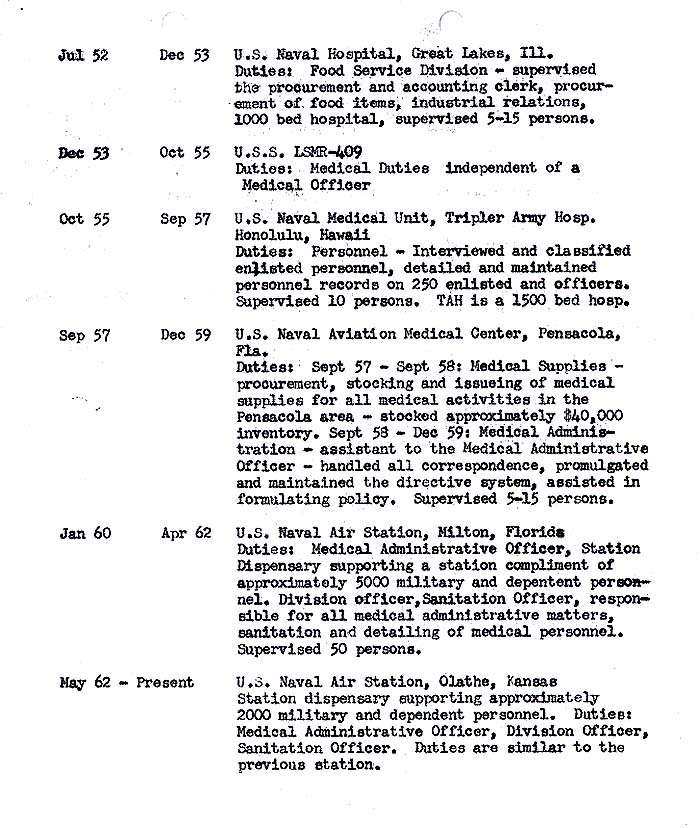
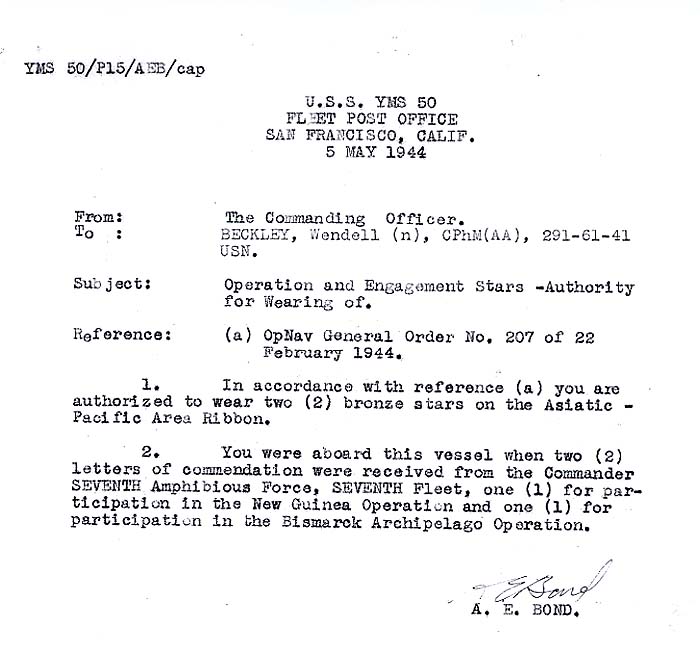
 89263
89263  89343
89343 DEPARTMENT OF THE NAVY -- NAVAL HISTORICAL CENTER
805 KIDDER BREESE SE -- WASHINGTON NAVY YARD
WASHINGTON DC 20374-5060
805 KIDDER BREESE SE -- WASHINGTON NAVY YARD
WASHINGTON DC 20374-5060
Oral History-Battle for Okinawa, 24 March -30 June 1945
Recollections of Commander Frederick Julian Becton, USN, Commanding Officer of the destroyer USS Laffey (DD-724) which, despite being struck by eight Japanese suicide (kamikaze) aircraft on 16 April 1945, did not sink.
Adapted from Frederick Julian Becton interview in box 2 of World War II Interviews, Operational Archives Branch, Naval Historical Center. I am Commander Frederick Julian Becton, Commanding Officer of the USS Laffey. The Laffey was built in Bath, Maine and was commissioned in Boston, Massachusetts, at the Navy Yard on February 8th, 1944.
After a brief shakedown period, the ship participated in the Normandy Invasion in June 1944, after which she took part in the Cherbourg [France] bombardment on June 25th, 1944 and suffered an eight-inch [German artillery shell] hit which fortunately did not explode.
Upon returning to the States for repairs and alterations, the ship proceeded to the Pacific and joined Admiral [William F. Bull] Halsey's Third Fleet in November, 1944, for strikes against the Philippine Islands during the month of November.
The ship joined the 7th Fleet under Admiral Kinkaid at Leyte Gulf [Philippines] in early December, 1944 and took part in the landing of the 77th Division of the U.S. Army at Ormoc Bay, on December 7th, 1944. This was our first experience with the Kamikaze Suicide Corps [units of Japanese aircraft turned into flying bombs intended to be crashed by their pilots into U.S. Navy ships to sink or severely damage them]. The ship and the whole convoy were under incessant attacks from about 10 o'clock in the morning until dark that evening.
The next landing the ship participated in was at Mindoro on December 15,1944.
The next landing was about two weeks later when the ship left Leyte Gulf on January 2nd, and proceeded to Lingayen Gulf [also in the Philippines] to assist with the softening up activities and bombardment prior to the Army landing on January 9th, 1945.
We remained in the Lingayen Gulf area until about the 22nd of January and then proceeded to join Admiral Mitcher's task force at Ulithi.
Participated in Tokyo Strikes.
The next operation in which the ship participated was the strikes on Tokyo in mid-February 1945, after which the carrier task groups headed south to support the Iwo Jima landing. We went back for the second strikes on Tokyo about the 24th of February, and returning from that, went into Ulithi where we remained until we were ready for the Okinawa operation.
We departed Ulithi for the Okinawa landings on the 21st of March, arrived at Okinawa the 24th of March, and performed screening duties with the battleships and cruisers [protecting them from Japanese aircraft and submarines] who were bombarding the beaches until the major landing on April 1st, 1945. Thereafter, we took up station to the north of Okinawa at radar picket station number one about 35 miles north of Okinawa [these picket stations gave advance warning of the approach of enemy aircraft or ships].
Our tour of duty on this picket station was uneventful until the morning of April 16th, when we underwent a concentrated attack by Japanese suicide planes. The attack commenced about 8:27 [a.m.] when we were attacked by four Vals [single-engine Japanese Aichi D3A naval dive bomber with a 2-man crew], which split, two heading for our bow and two swinging around to attack us from the stern. We shot down three of these and combined with a nearby LCS [support landing craft] in splashing the fourth one. Then two other planes came in from either bow, both of which were shot down by us. It was about the seventh plane that we were firing on that finally crashed into us amidships and started a huge fire. This marked us as a cripple with the flames and smoke billowing up from the ship and the Japs really went to work on us after that.
Two planes came in quick succession from astern and crashed into our after [rear of the ship] five-inch twin mount. The first one carried a bomb which exploded on deck. The second one dropped its bomb on deck before crashing into the after mount. Shortly thereafter, two more planes came in on the port quarter crashing into the deckhouse just forward of the crippled after five-inch mount. This sent a flood of gasoline into the two compartments below the after crew's head [bathroom] and with the fire that was already raging in the after crew's compartment just aft of the five-inch mount number three, we now had fires going in all of the after three living spaces, besides the big fire topside in the vicinity of the number four 40 mm [antiaircraft gun] mount.
The two planes... no, the next one was a plane from our port quarter that dropped a bomb just about our port [left] propeller and jammed our rudder [steering mechanism] when it was 26 degrees left.
Strafed by Approaching Plane.
The next plane came from the port bow, knocked off our yardarm [a horizontally-mounted spar on the radar/radio mast], and a [F4U] Corsair [single engine US fighter with a 1-man crew] chasing it, knocked off our Sugar Charlie [SC air search] radar. Then a plane came in from the port bow carrying a big bomb and was shot down close aboard [in the water near the ship's side]. A large bomb fragment from the exploding bomb knocked out the power in our number two five- inch mount which is the one just forward of the bridge. Shortly thereafter this mount, in manual control, knocked down an Oscar [single-engine Japanese Nakajima Ki-43, Army-type fighter with a 1-man crew] coming in on our starboard bow [from the right-front of the ship] when it was about 500 yards from the ship. At the same time the alert mount captain of number one five- inch mount sighted a Val diving on the ship from the starboard bow, took it under fire and knocked it down about 500 yards from the ship using Victor Tare projectiles. The next plane came yardarm as it pulled out of its dive. It was shot down by the Corsairs ahead of the ship.
The next plane came in from the starboard bow strafing [firing its machine guns] as it approached and dropped a bomb just below the bridge which wiped out our two 20 mms [antiaircraft guns] in that area and killed some of the people in the wardroom [officers' dining and social compartment] battle dressing station. This plane did not try to crash either, and was shot down, after passing over the ship, by our fighter cover.
The last plane that attacked the ship came in from the port bow, and was shot down by the combined fire of the Corsair pilots and our own machine guns, and struck the water close aboard and skidded into the side of the ship, denting the ship's side but causing no damage.
The action had lasted an hour and 20 minutes. We had been attacked by 22 planes, nine of which we had shot down unassisted, eight planes had struck the ship, seven of them with suicidal intent, two of these seven did practically no damage other than knocking off yardarms. Five of these seven did really heavy material damage and killed a lot of our personnel. We had only four of our original eleven .20 mm mounts still in commission. Eight of the original 12 barrels of our .40 mm mounts could still shoot but only in local control, all electrical power to them being gone and our after five-inch mount was completely destroyed. Our engines were still intact.
The fires were still out of control and we were slowly flooding aft. Our rudder was still jammed and remained jammed until we reached port. We tried every engine combination possible to try to make a little headway to the southward but all no avail. We had lost 33 men, killed or missing, about 60 others had been wounded and approximately 30 of these were seriously wounded.
The morning of our attack off Okinawa we had a CAP [combat air patrol] of about 10 planes over us. It was entirely inadequate for the number of attacking Jap planes. Our own radar operators said that they saw as many as 50 bogies [Japanese aircraft] approaching the ship from the north just prior to the attack. Many more planes were undoubtedly sent to our assistance and quite a large number of Jap planes were undoubtedly shot down outside of our own gun range and to the north of us that morning. When the attack was all over we had a CAP of 24 planes protecting us.
Threw live bomb over the side.
One of the highlights of the action occurred when Lieutenant T.W. Runk, [spelled] R-U-N-K, USNR, who was the Communications Officer on the Laffey at the time, went aft to try to free the rudder. He had to clear his way through debris and plane wreckage to reach the fantail [rearmost deck on the ship] and, on his way back to the steering engine room, saw an unexploded bomb on deck which he promptly tossed over the side. His example of courage and daring was one of the most inspiring ones on the Laffey that morning.
Another example of resourcefulness exhibited that morning came when two of the engineers, who were fighting fires in one of the after compartments, were finally driven by the heat of the planes [flames] into the after Diesel generator room. The heat from the burning gasoline scorched the paint on the inside of the Diesel generator room where there was no ventilation whatsoever. The acrid fumes almost suffocated these two men but they called the officer in charge of the after engine room, which was in adjacent compartment, and told him of their predicament. He immediately had one of the men beat a hole through the bulkhead with a hammer and chisel and then, with and electric drill, cut a larger hole to put an air hose through to give them sufficient air until they could be rescued. At the same time other engineering personnel had cleared away the plane wreckage on the topside and with an oxime acetylene torch cut a hole through the deck which enabled these two men to escape. Upon reaching the topside, both of them turned to fighting the fires in the after part of the ship.
The morning after the action we removed one engine from the inside of the after five-inch mount which had been completely destroyed and which had had its port side completely blown off by the explosion of the initial plane, which was carrying a bomb when it crashed into this mount. The second plane which crashed into that mount had also done great damage to it. And the next morning we pulled one engine out of the inside of the mount and another engine was sitting beside the mount with the remains of the little Jap pilot just aft of the engine. There was very little left of him, however.
We transferred our injured personnel to a smaller ship that afternoon, which took them immediately to Okinawa. We were taken in tow by a light mine-sweeper in the early afternoon, about three hours after the attack and the mine-sweeper turned the tow over a short time later to a tug, which had been sent to our rescue. Another tug came alongside us to assist in pumping out our flooded spaces and with one tug towing us and the other alongside pumping us, we reached Okinawa early the next morning.
Put soft patches on hull.
After reaching Okinawa and pumping out all our flooded spaces, we put soft patches on four small holes we found in the underwater body in the after part of the ship. It took about five days to patch the ship up sufficiently for it to start the journey back to Pearl Harbor.
After leaving Okinawa we proceeded to Saipan and thence to Eniwetok and from Eniwetok on to Pearl Harbor.
About the seventh plane that attacked us, it came in on the port bow and he was low on the water and I kept on turning with about 25 degrees left rudder towards him to try to keep him on the beam. He swung back towards our stern and then cut in directly towards our stern and then cut in directly towards the ship. I kept turning to port to try to keep him on the beam and concentrate the maximum gunfire on him and as we turned, we could see him skidding farther aft all the time. I finally saw that he wouldn't quite make [it to hit] the bridge but then I was afraid he was going to strike the hull in the vicinity of the engine room, but about a hundred yards out from the ship, he finally straightened out and went over the fantail nicking the edge of five-inch mount three and then crashed into the water beyond the ship.
Of course, many people have various ideas about how to avoid these Kamikazes but the consensus of opinion, so far as I know, to try to keep them on the beam [i.e., coming in on a 90- degree angle to the long axis of the ship, or directly from the side] as much as possible or one reason to concentrate the maximum gunfire on them as they approached. And another reason is to give them less danger space by exposing just the beam of the ship rather than the quarter of the bow for them to attack from. The danger space is much less if they come in from the beam than it would be if they came in from ahead or from astern and had the whole length of the ship to choose in which to crash into. High speed and the twin rudders, with which 2200 ton destroyers are equipped, were believed to have been vital factors in saving our ship that morning off Okinawa.
Interviewer:
Captain Becton, were you on some other destroyer in the early part of the war?
Commander Becton:
Yes, I was in the [USS] Aaron Ward [DD-483] in the early part of the war. I was in the [USS] Gleaves [DD-423] when the war was first declared, but went to the Aaron Ward a short time after that as Chief Engineer, fleeted up [was promoted] to Exec[utive Officer - second in command] and was in there when she went through that night action off Guadalcanal the night of 12-13 November 1942. We were hit by nine shells that night, varying between 5 and 14 inches, but fortunately they were all well above the water line. We were towed into Tulagi [an island near Guadalcanal] the next day and later repaired.
Interviewer:
Were you also on board when the Ward went down?
Commander Becton:
Yes, I was on board the Aaron Ward when she sank off Guadalcanal in April, 1943. After that I went to the squadron staff of ComDesRon [Commander, Destroyer Squadron] 21 and went through three surface actions in the [USS] Nicholas [DD-449]. The first of these was the night of 6 July, in the First Battle of Kolombangara or Kula Gulf when the [light cruiser USS] Helena [CL-50] was sunk. The Nicholas and the [destroyer USS] Radford [DD-446] stayed behind after the cruisers and other destroyers retired to pick up the Helena's survivors and fight a surface action with Jap ships that were still there in Kula Gulf.
The next surface action we were in came a week later when the same outfit of destroyers and cruisers attacked some more Jap cruisers and destroyers that were coming down from the northwest. We operated under Admiral Ainesworth that night. The destroyers were under the overall command of Captain McInerney.
After that the next surface action we were in was after the occupation of Vella Lavella, in which we took on some Jap destroyers and barges [towed craft carrying troops or cargo] to the north of Vella Lavella in a night action. The destroyers turned and ran and left their barges and we couldn't catch the destroyers. We did some damage to them, possibly destroyed some, but the major damage was done to the barges which they had left behind and many of which we sank.
Note: USS Laffey survived WWII and is now a memorial ship which can be visited at Patriots Point Naval & Maritime Museum in Mount Pleasant, South Carolina.
19 February 2001
89451
 89633
89633  89689
89689  89742
89742 
 89822
89822 
 89870
89870  89878
89878  89890
89890 
 89983
89983 
 90231
90231  90235
90235  90299
90299 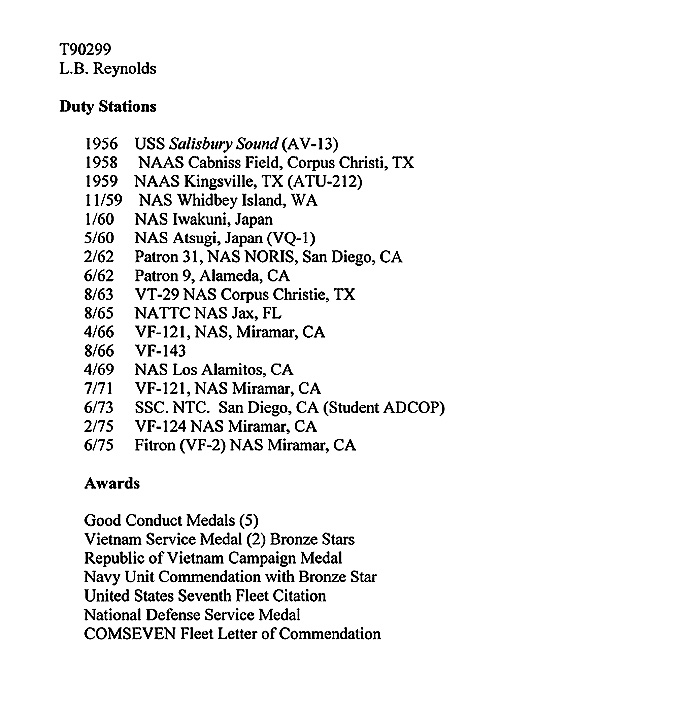 90465
90465 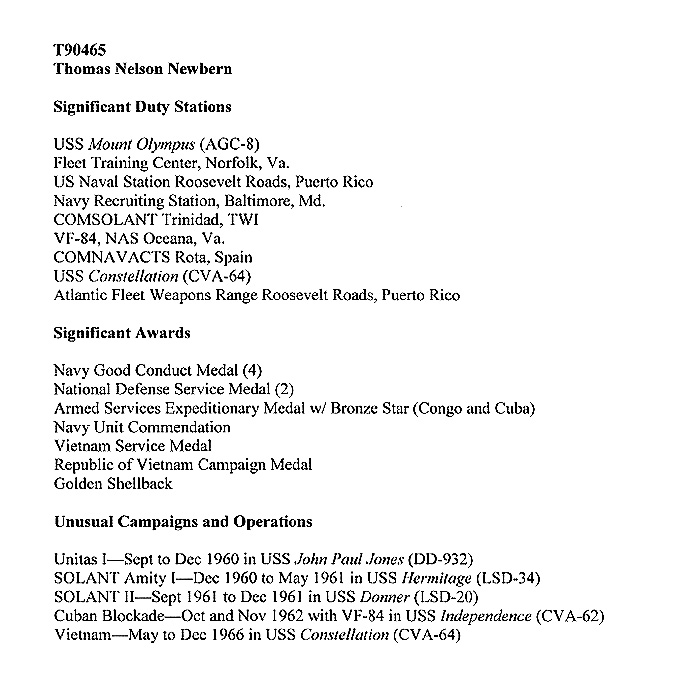 90630
90630 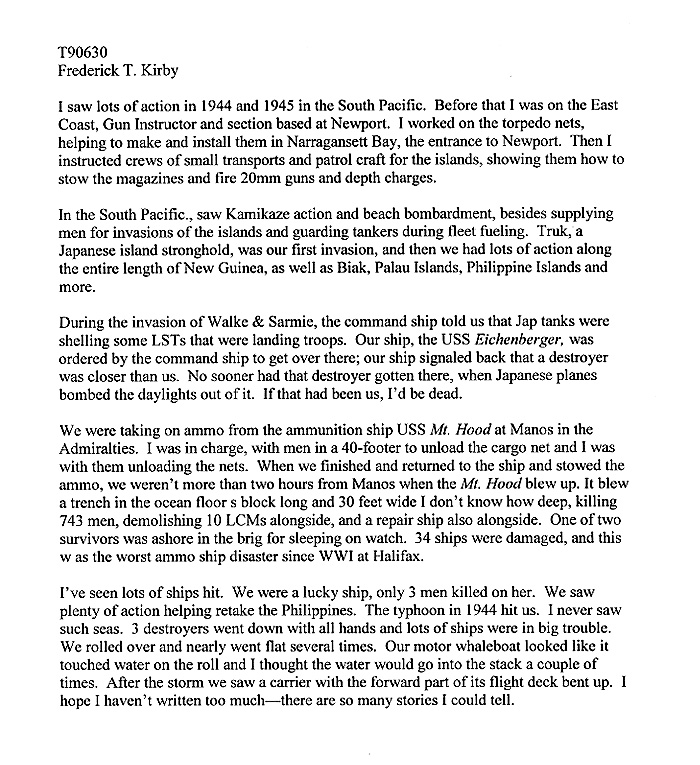 90804
90804 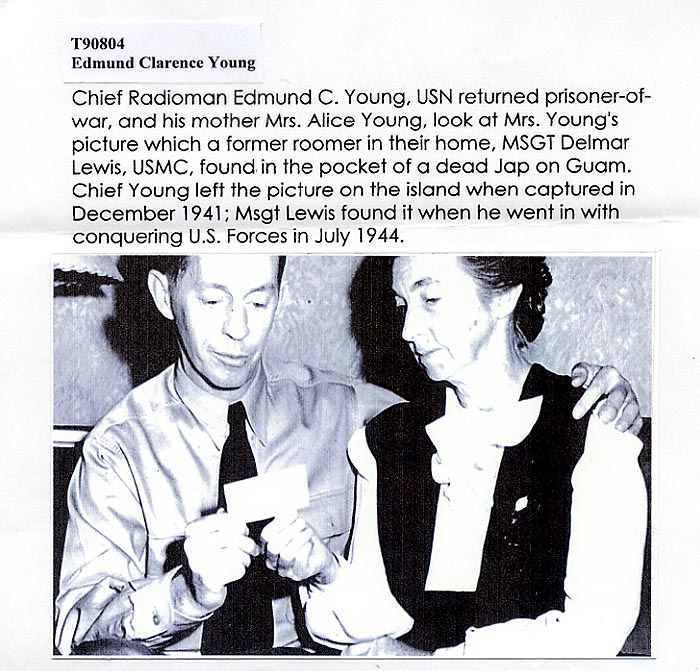 90853
90853 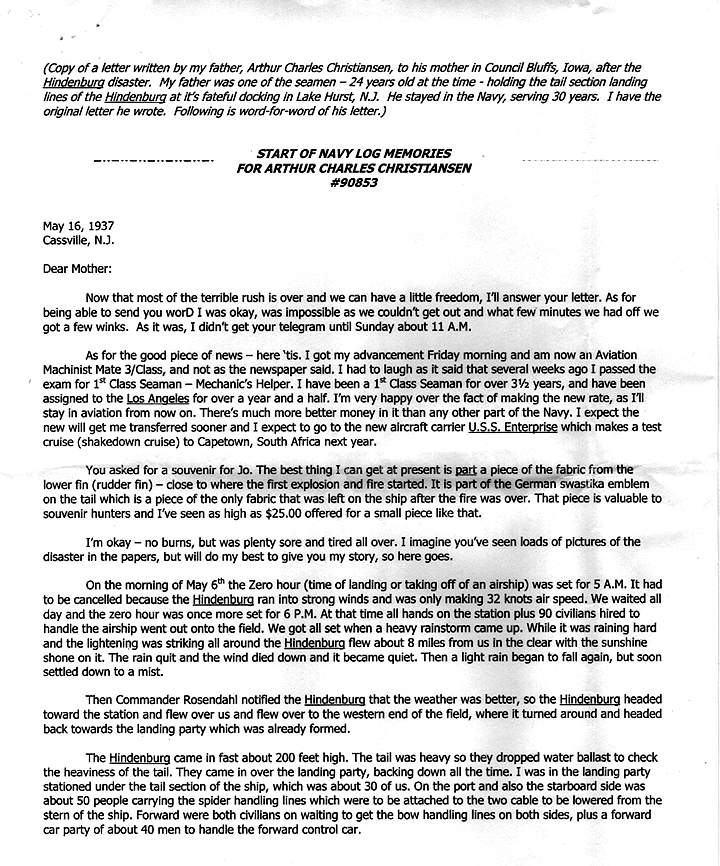
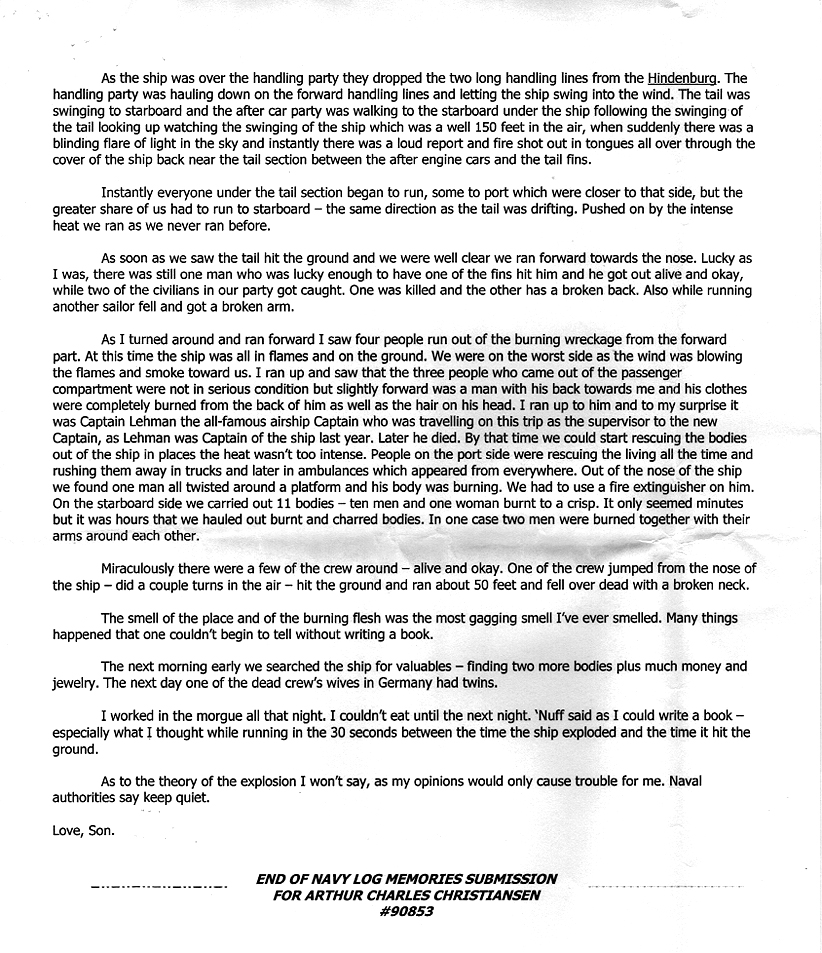 90880
90880 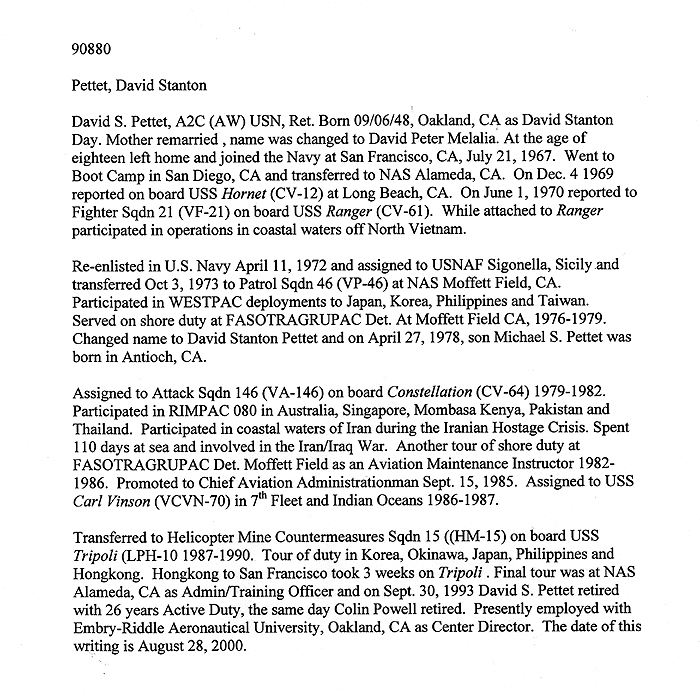
 90946
90946 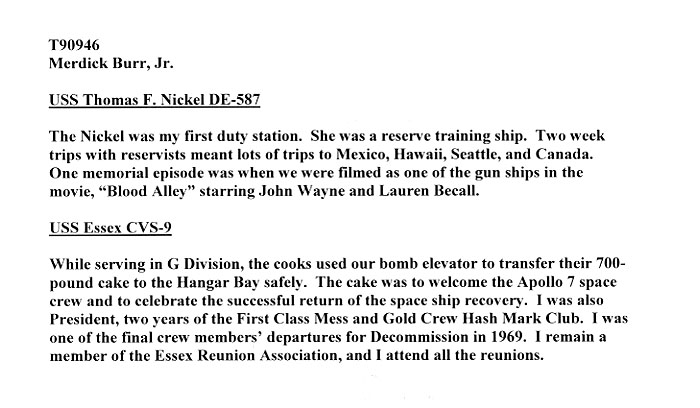 91010
91010  91025
91025  91045
91045  91053
91053  91077
91077  91094
91094 
 91200
91200  91211
91211  91355
91355  91449
91449  91506
91506 
 91525
91525  91545
91545 
 91640
91640  91696
91696  91832
91832 Franklin Parant Reggero has gone home to be with the Lord Jesus and be reunited with his two sons: Franklin O. and Ronald M., who predeceased him. He leaves behind to cherish his memory, his childhood sweetheart whom he married on July 18, 1941, Virginia (Drake) Reggero and his two daughters: Virginia (Ginny) Taegder McCue (Joe) and Michele (Shelly) Starkey (Keith Cardish); six grandchildren and twelve great-grandchildren.
He was the son of Nicholas Ruggiero and Edith Parant Ruggiero and was predeceased by all five of his siblings: Mary Swaida, Edith Bell, John Reggero, William Reggero and Alice Gowdey.
Franklin was born and raised in his beloved City of Newburgh (on Colden Street) back in the day where his father was one of the few on the block who owned a radio and often placed it in the window for the neighbors to hear. As a young boy, Franklin was very active in all kinds of sports and received numerous awards and trophies for his involvement in the YMCA in swimming, tennis and pole vaulting. He was also involved in the Newburgh fast-pitch softball league, the Newburgh Bowling Association and the New York State Amateur Boxing Program. He trained with some of the all-time great boxers like Tony Zale and Sugar Ray Robinson during the 1940s. When he boxed in the Golden Gloves in Madison Square Garden in New York City, Tony Zale's manager took him under his wing and coached Frank during his match and he won the fight.
When the bombs landed on Pearl Harbor on December 7, 1941 and the President declared War, Franklin enlisted in the Navy to defend his homeland. Because of his experience in the medical field, he was assigned to a sub chaser (PC 1213) and became the ship's medic. His shipmates called him Doc at all of his Navy reunions following the end of the War and for many years after. Frank's Patriotism never wavered and he was proud to have served his country, but it was his love for his family that remains his legacy. Generations to come will hear his many stories that he left behind.
Following his service to his country in World War II, he returned to Newburgh and his wife and firstborn and went to work at the Newburgh Felt Mill for several years. He accepted a position with the newly formed IBM Corporation and after 30 years of dedicated and distinguished service, he received the coveted IBM President's Award. His career at IBM included his service to NASA during the 1960s when JFK initiated the Space Program and Frank would be privileged to be a part of the Project Mercury team at the Goddard Space Flight Center in Maryland. He was the Special Operations Manager at Goddard.
Frank joined the Black Rock Fish & Game Club with his brothers: John and William in 1946 and they were a few of the founding members at Black Rock. Throughout the years, Frank held every office in the Club including President, Treasurer, Member Secretary, Director and Chairman of Work Committees to name just a few. He remains the only Black Rock Member to be elected to every officer chair including the President's seat. The meeting hall at Black Rock Fish & Game Club was dedicated to him for his past service. Frank utilized that meeting hall every single Friday night to meet with his beloved card players.
Frank passed at home on Hospice, surrounded by his family whom loved him dearly and are now devastated by his passage. We did not "lose" him, we have lost sight of him only until the Lord calls us home to Heaven to be reunited with him.
_______________________________________________________________
It sounds like a fairytale or a Hallmark movie but it is the true love story of two people that has spanned their entire lives – all 92 years of them and it all began in Newburgh.
In 1921 in Newburgh, Colden Street was the hub of the City. You could get anything your heart desired from any of the variety of ethnic delicatessens on the block.
Franklin Parant Reggero, the infant son of Nicholas and Edith Reggero, was sleeping in his Aunt Anna Parant’s apartment bedroom on Colden Street in Newburgh 1921. Minnie Drake was walking down Colden Street carrying her infant daughter, Virginia, just 3 months old when she decided to stop and visit her friend. Anna suggested placing baby Virginia next to the other sleeping baby, Franklin, on the bed while the two women shared a cup of tea.
Fifteen years would pass before Franklin and Virginia would meet up again and it would be their affection and tenderness towards the orphans that they visited on Grand Street in Newburgh that would bring the two together again. Virginia was bringing some candy to the little girls in the orphanage on Grand Street when a young boy outside the orphanage told her about a young man who often brought candy to them. Virginia remarked that he must be a kind-hearted soul. The little boy was insistent that Virginia come and see the boy who was an athlete who often pole vaulted at the YMCA. He told Virginia that Franklin was there right now and she should come to the fence to see him.
Virginia followed the youngster and peeked over the fence just as Frank spotted her and pole vaulted right in front of her. It would be love at first sight. Since Virginia was only 15 years of age, her father would not let her date the young Italian from the other side of town who followed her all the way home to her apartment on 437 Broadway. Franklin would have to wait until Virginia turned 16 years old before her father would allow her to date. Even then, only if her mother, Minnie, chaperoned them on all of their dates to the Ritz Theater on Broadway in Newburgh. The couple fondly remembers that in those days for the price of admission (about 10 cents) you also received a piece of depression glassware.
The couple would continue to date throughout their high school years at the Newburgh Free Academy.
They married on July 18, 1942 after Frank returned home on a Navy pass during WWII but not without a struggle. The City Hall was closed that weekend but luckily for the couple they were able to locate the caretaker who felt sorry for the sailor and his fiance and called the Newburgh City Clerk at home. The couple was issued a marriage license. They were married at the parsonage at the Good Shepherd Church on Lander Street and a small reception followed at the Hasbrouck Tavern in the Town of Newburgh. Because it was during the Depression, there were no wedding gifts given with the exception of one lone teakettle that someone brought them. The juke box had only one fast song on it: “Bells that Jingle Jangle Jingle – aren’t you glad you’re single.” Everyone played it over and over again and danced the night away.
It’s been 72 years, four children, six grandchildren and twelve great-grandchildren and the Reggero’s were still enjoying their wonderful life together. It wasn’t always an easy life and they had to bury both of their sons but still, they kept on leaning on each other, trusting God and loving their family. They made it through the tough times and they kept the rest of us going.
It was the Reggero’s selfless giving unto others that brought them together in the first place and their constant caring for one another has kept them together all of their years. For the couple’s fiftieth wedding anniversary, their children chose a song by Vince Gill called, “Look at Us.” The lyrics say in part, “In a hundred years from now I know without a doubt, they'll all look back and wonder how we made it all work out, chances are we'll go down in history, when they want to see how true love should be, then just look at us.”
It won’t take one hundred years for us to wonder how this couple managed to come so far together and it all began on Colden Street in Newburgh in 1921 during a magical time in the lives of so many who remember the grandeur of Newburgh.
We love and miss you Pop, and we promise to take care of Mom for you. Rest in the arms of Jesus until we meet again in God's Glory.
 91909
91909 
 92035
92035  92099
92099  92100
92100
T92100
C. W. Hunter
MEMORIES
1951-1971
These memories were assembled for the purpose of the Navy Memorial in Washington, DC, and are in no particular order, rather as they are recalled or come to mind.
- Completed around the World voyage on USS Forrest Royal DD-872. Began and
ended at the port of Newport, RI. Sailing west on 8/2/54 and finished 3/14/55.
(Ancient order of Magellan membership). Sailed >39,000 miles during this period. - Crossed the Arctic Circle on USS Forrest Royal 16 Sept. 1952 off north coast of
Norway. - 1958 Commissioned USS Hull DD-945 at Boston, MA, (Plank owner). Home port
to be San Diego, via Panama Canal. - Made five submarine dives on USS Redfish SS-395 off Guam 1959.
- 1960 Commissioned USS Coontz DLG-9, Bremerton, WA, (Plank Owner).
Carrie, our first child was born. - 1968 Landed on aircraft carrier USS Yorktown in the sea of Japan, flight deck
covered with ice. (Yorktown now a Memorial in Charleston, SC) Next morning,
flew off in helicopter and was lowered onto a rocking, rolling, cold destroyer DD-
885 for duty. - Seventeen years sea duty out of twenty, all on Destroyers. (51 - 71)
Three years as Company Commander RTC San Diego. (64 - 66) - Crossed Equator seven times, first time on 01/27/55. Longitude 103-55' East,
Latitude 00-00. (5-times on DD-872,1-time on DLG-9,1-time on DD-945.) - Five Vietnam tours, shore bombardment / carrier plane guard duty, Yankee
Station, Tonkin yacht club.
10. Two or three Mediterranean voyages plus one to northern Europe, 1952, 1957,
11. 1957 Circled Africa on DD-872. We were in Athens Greece when the Suez Canal was bombed and had to sail around Africa to the Red Sea. Returned home the same route. (Christmas in Cape Town, South Africa.)
12. 1962 Circled Australia aboard the USS Coontz. We were in Perth Australia the
night John Glenn first orbited the earth. The city of Perth turned on its lights all
over town. Glenn commented as he flew over Western Australia that he could see a
bright spot down there and that was confirmed to be Perth. Other ports of call Albany, Sidney & Melbourne.
13. 1961 While visiting the port of Chinhae, South Korea, the then President Park
Chunghee, came aboard to visit the new pride of the fleet, (guided missile destroyer
leader USS Coontz). During his visit I was introduced to him, and we shook hands.
This ship, in thirty minutes, could deliver more destructive power than the entire
fleet during World War II.
Karen, our second child was born.
- 1953 While sailing between the toe of Italy and Sicily at night (Straits of
Massina), Mt. Stromboli was very close and glowed from the lava within. - 1953 Sailing up the Elbe River to Hamburg, Germany, after dark during a
heavy snow storm made for a very beautiful sight with Christmas lights on both
sides of a busy river. On to London, England, for a very British Christmas and New
Year. - 1959 Going topside at sunrise on the first morning after arrival in the waters off
Japan, there stood a giant mountain named Mt. Fujiyama (Fuji-san). A most
impressive first site of the land of the rising sun. A massive mountain with a very
large snow cap and just off the seashore as if rising out of the Ocean. - Sailing out of Sidney, Australia, en route to San Diego, CA. The voyage took
over six weeks and we made two overnight fuel stops, the first being Pago Pago,
Samoa. This was 1962, a long time before satellites or any modern communications
now considered common. Pago Pago was as far from civilization as one could get at
that time. Natives came out in hand-paddled boats to meet us. Men and women in
grass skirts dancing on an old wooden pier. Just as in the movies. - 1957 Sailing out of Cape Town, South Africa, en route to the Red Sea we
continued on to the north end of the Persian Gulf into the Tigris/Euphrates River to
Basra, Iraq. Basra is the back door to Mesopotamia, the Garden of Eden and the
Cradle of Civilization. - 1956 While in the Caribbean for six weeks of underway training visited the old
capital city of Santiago de Cuba. Fidel Castro was not yet known. Later sailed on
to Rio de Janeiro, Brazil, on a Midshipmen voyage. First trip to Rio earlier in 50's. - 1950's On two or three return trips to the states from the Mediterranean, we
made overnight fuel stops at a place called Ponta Delgada in the Azores Islands.
The natives were all Portuguese and very friendly. What I remember most is that
the men were all well dressed but never wore anything on their feet. On Sundays they were dressed in coats, ties, hats and no shoes. Almost all transportation was horse drawn. The Azores were off of most shipping lanes in those days, much like Samoa, modernization came slow if at all prior to satellites.
- 1955 While in transit of the Suez Canal, at times, one could see the Pyramids in
the far off distance and up close camel caravans coming down to the Red Sea for
salt. Very picturesque and memorable. A large, large light is hung from the ships
bow for night steaming in a very narrow shallow canal, as it takes almost 24 hours
to complete the transit. - 1954 During the around the world voyage on the Royal, one of our many ports
of call was Hiroshima, Japan, the site of the first atomic bomb drop nine years
earlier. Little if any of the city had been rebuilt, total and complete destruction as
far as one could see. Of those who survived, many had very serious radiation burns.
Some, still in shock, would just wander and wander the bombed out area that had
once been their neighborhood. I remember making one visit to ground zero — once
was enough! - Numerous Hong Kong, China, visits between 1954-1970. Each visit provided
memories that one ought not forget, but I'm afraid that process may have begun. In
brief, many changes were taking place in Hong Kong during this period. China, as
you know, is a world unto its own. This was during the time of Mao and
communism. It now seems the more things changed, the more they stay the same.
Yes, grandchildren, these travels were all by water, and yes, all were a long way from Shelbyville Illinois, both literally and figuratively speaking.
These memories are but a few of my twenty years in the Navy. Now, many years later, that period remains of life-long importance to me. Naval service provided many intangible benefits to a young recruit who later chose it as a career. Memories of old seem to confirm that one tends to remember the good times and not the bad, as we sailed war zone waters during both the Korean and Vietnam wars for long periods on numerous voyages. A Senior Chief in Engineering, my many power propulsion crews worked hard for every nautical mile sailed, yet traveled the world far more than did the "old salts" of yesteryear. Each entry in this memorandum is well documented in the respective ships log and voyage books on file.
Water water everywhere but not a drop to drink
Modern day technology (computers and satellites) provide little help when trying to describe the vastness of the Seven Seas. Old Sea Stories and/or Sea Lore of the Ancient Mariners are all very descriptive, while being perhaps, a bit short on accuracy. The indescribable size of the Oceans or how the giant storms can turn the sea into a living hell simply can't be passed on in any realistic way and remain unbelievable.
A huge debt of gratitude with love, respect, and admiration I owe to my family members that were left behind during these many long periods, Wife, Daughters, Mother, Father, and Sisters. A Navy wife that's left alone to do it all, also far from home, never receives the credit that's due them. The time that they serve is equal to, if not more difficult than, that of the serviceman. On all accounts, I was indeed fortunate and blessed.
ANCHORED IN THE HAVEN OF REEF
92110
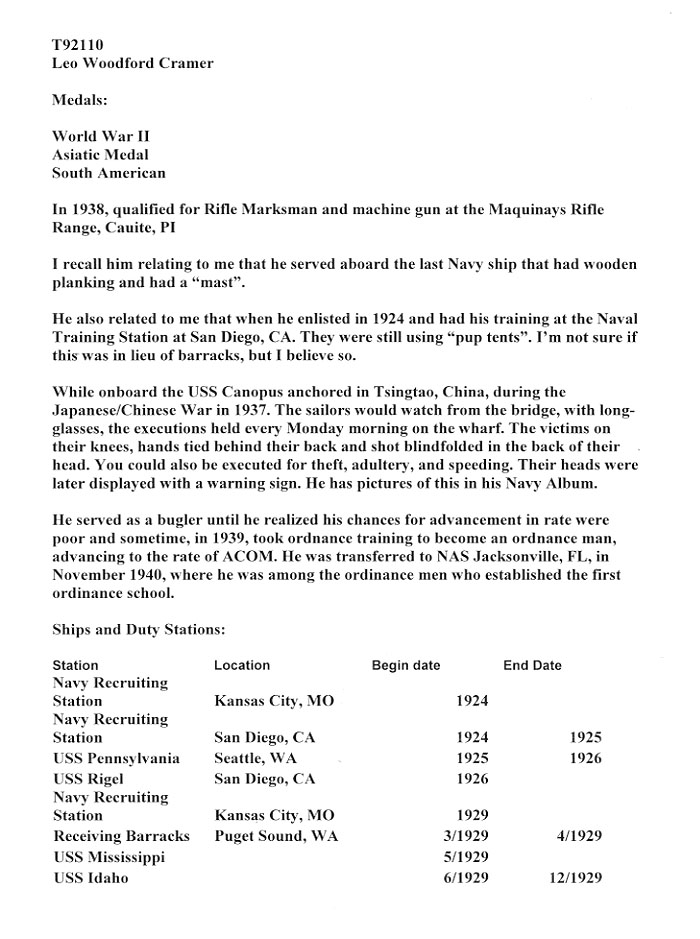
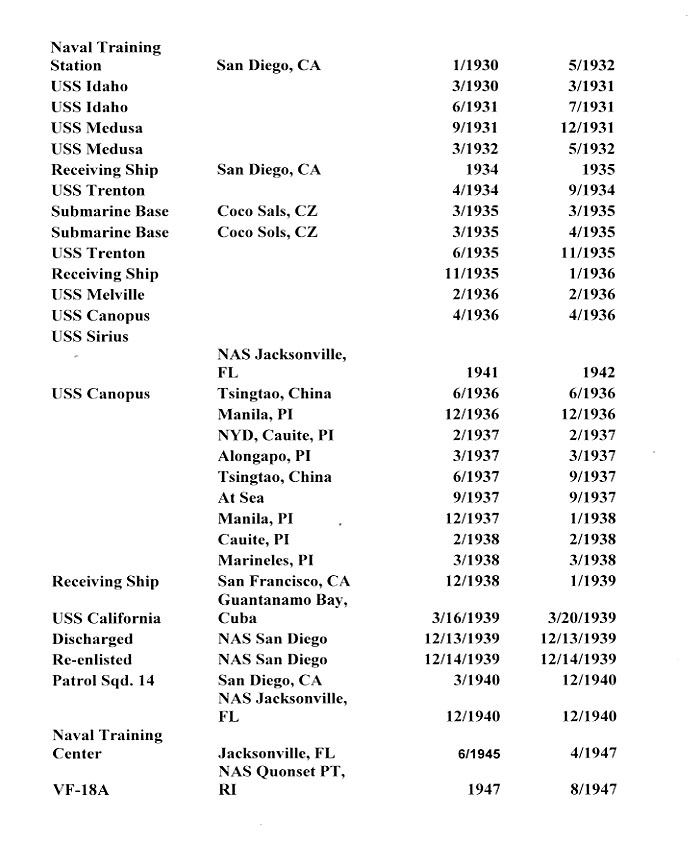 92116
92116 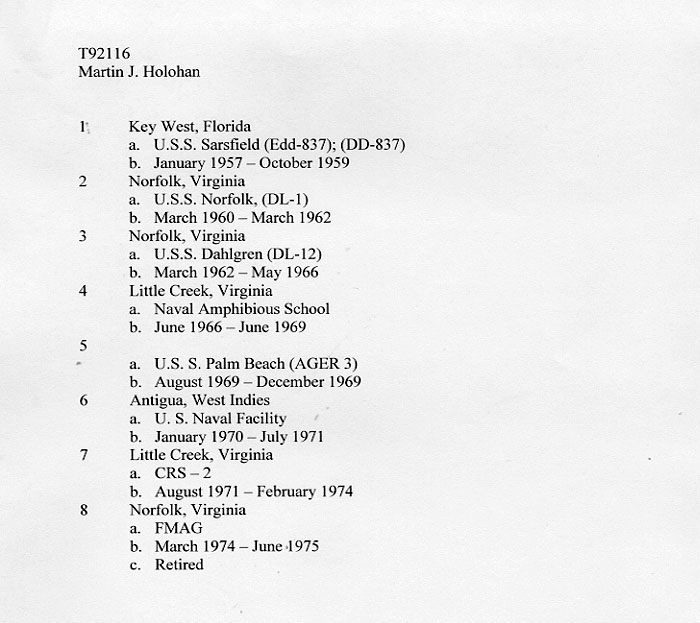 92161
92161  92414
92414 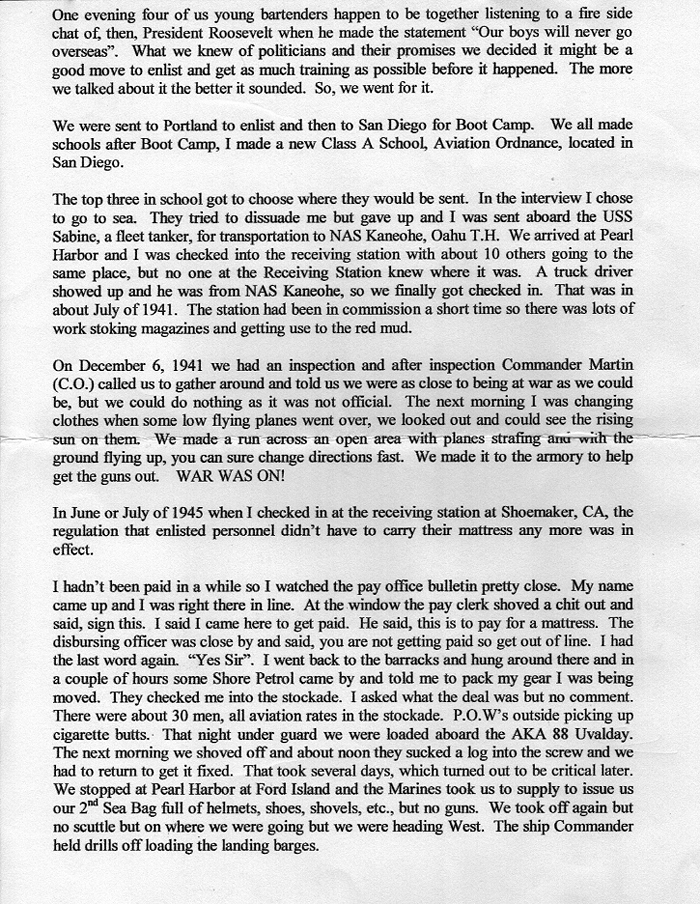
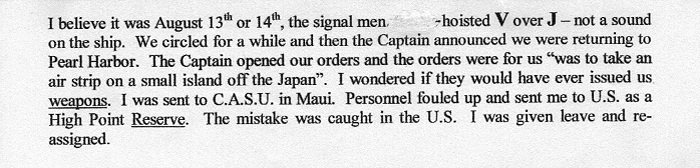 92453
92453 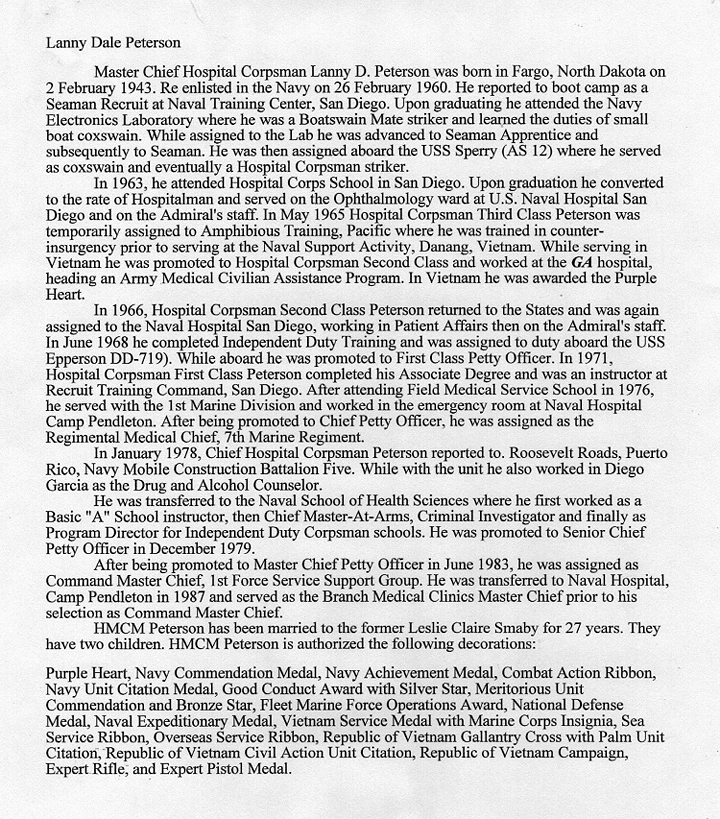 92484
92484  92497
92497 
 92523
92523  92603
92603  92607
92607  92627
92627 
 92692
92692 
 92729
92729  92921
92921  93060
93060  93062
93062  93114
93114 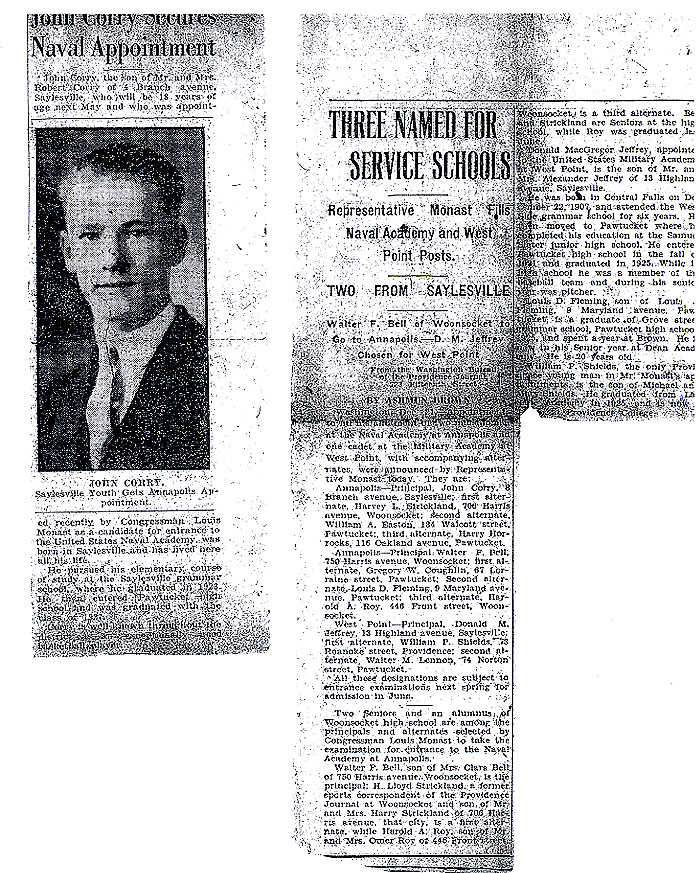
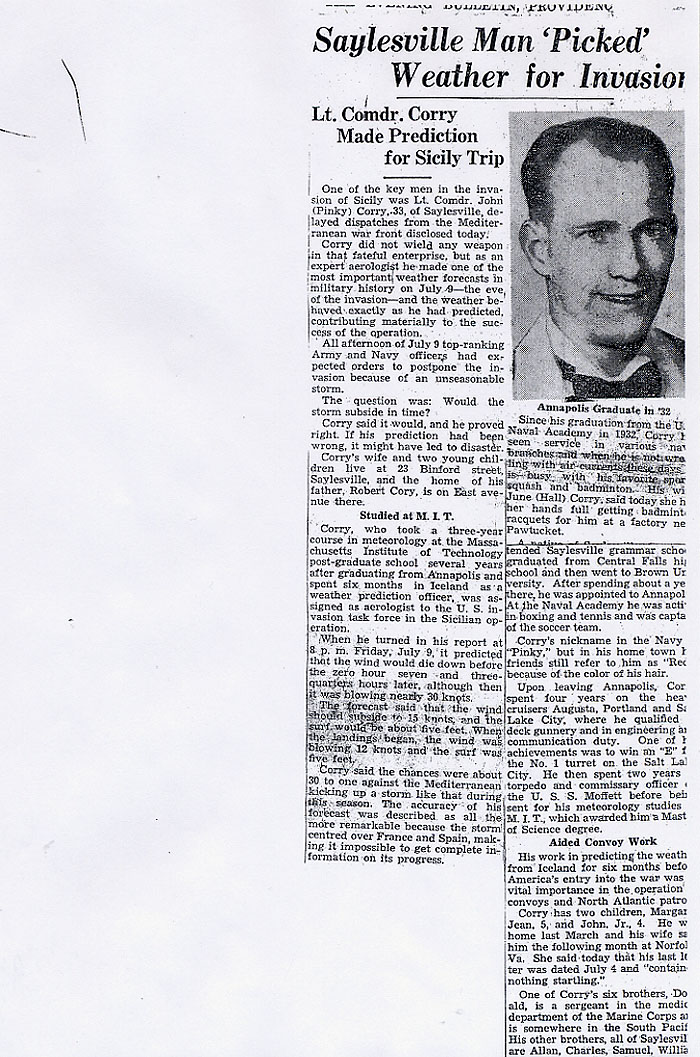
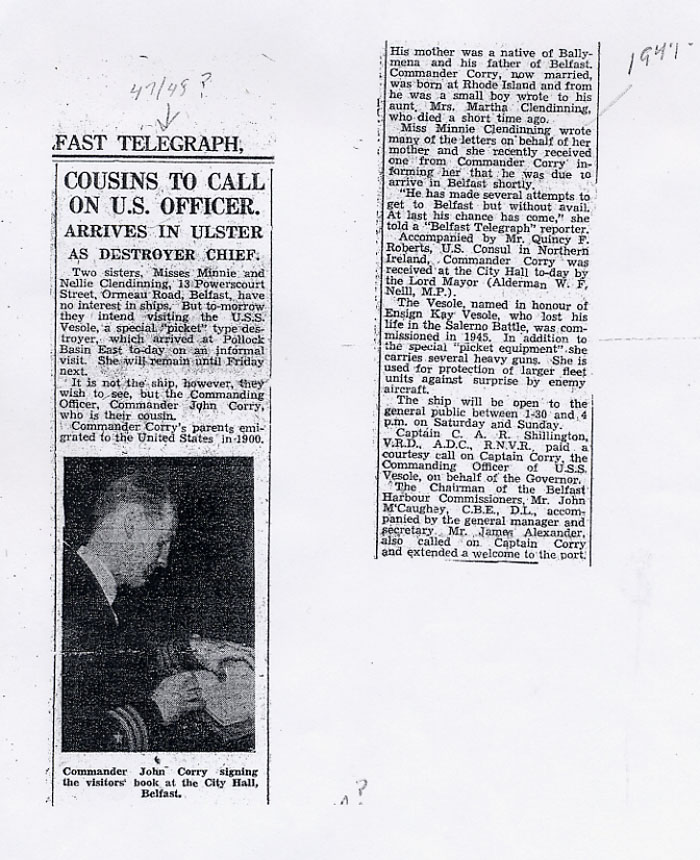 93331
93331 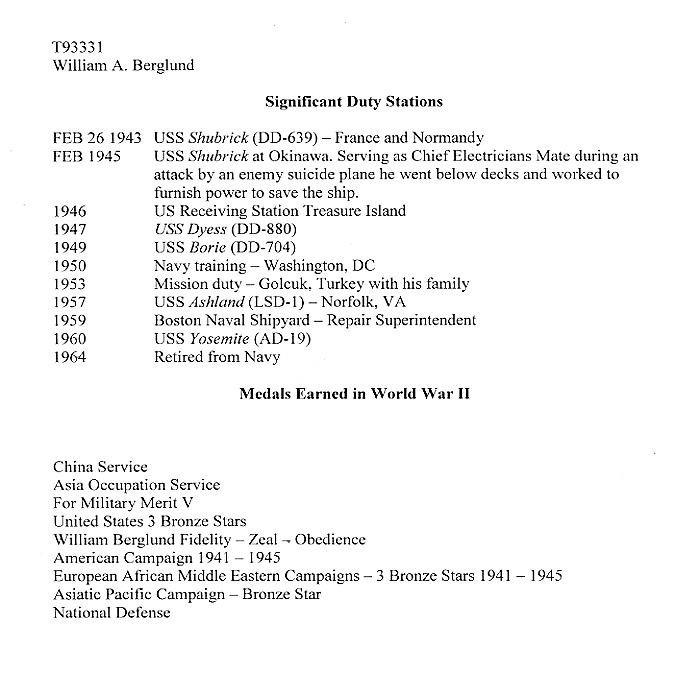 93403
93403  93442
93442 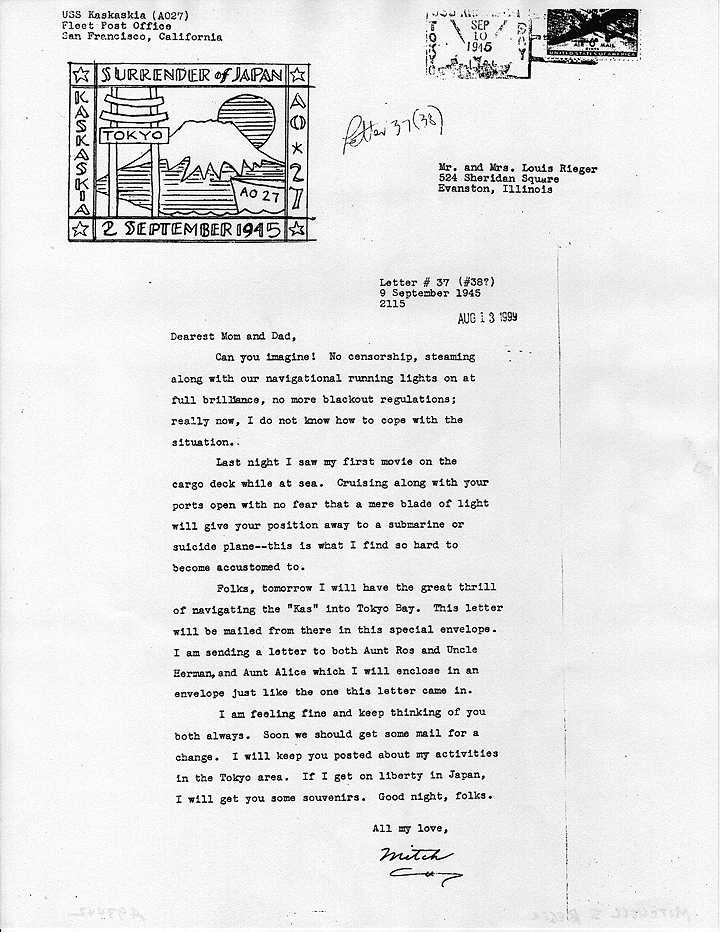 93594
93594 
 93600
93600 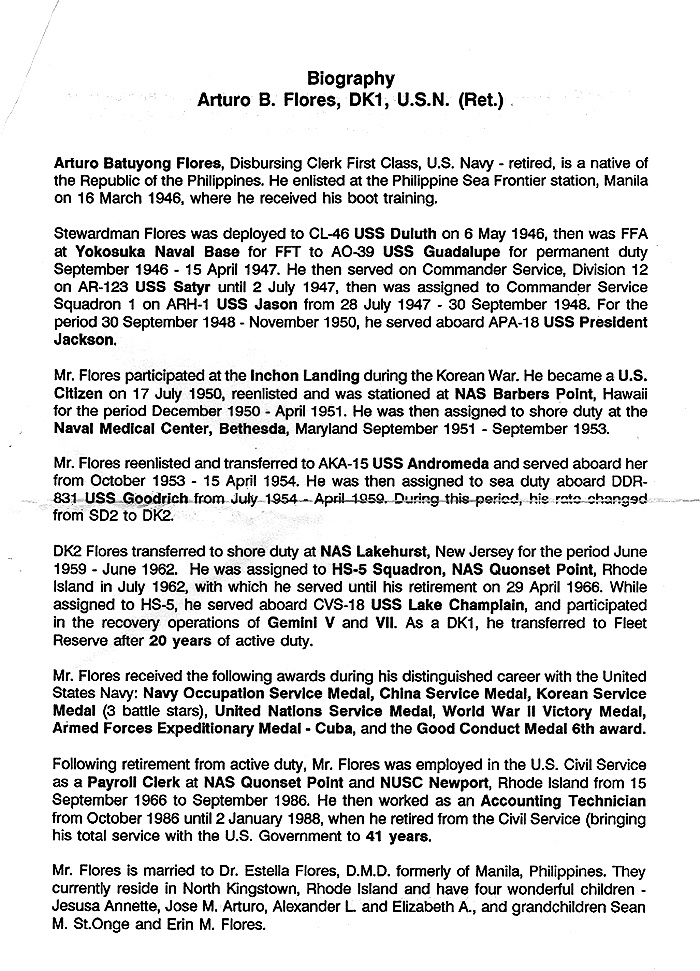 93656
93656 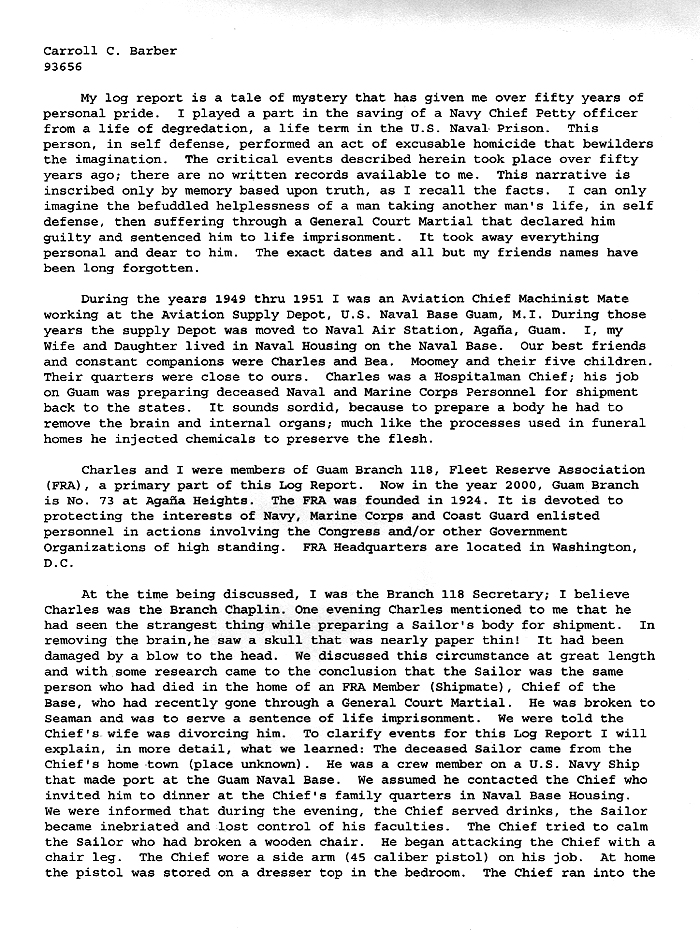
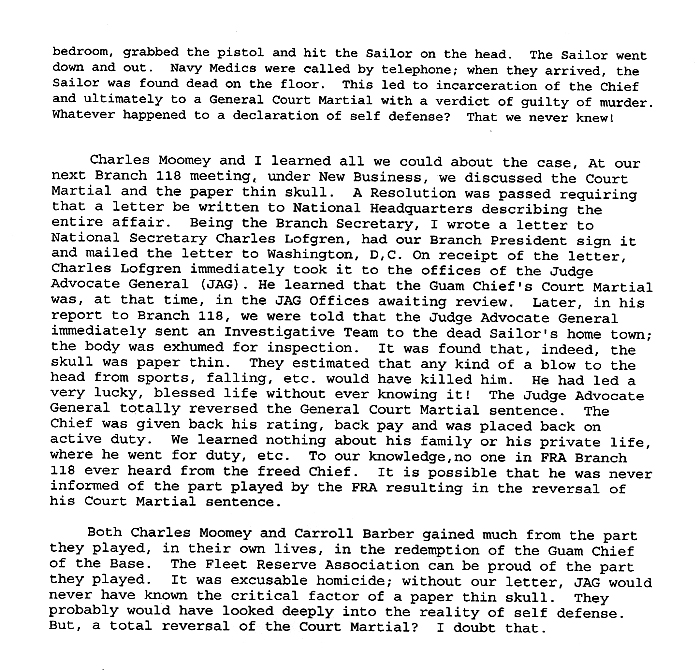 93707
93707 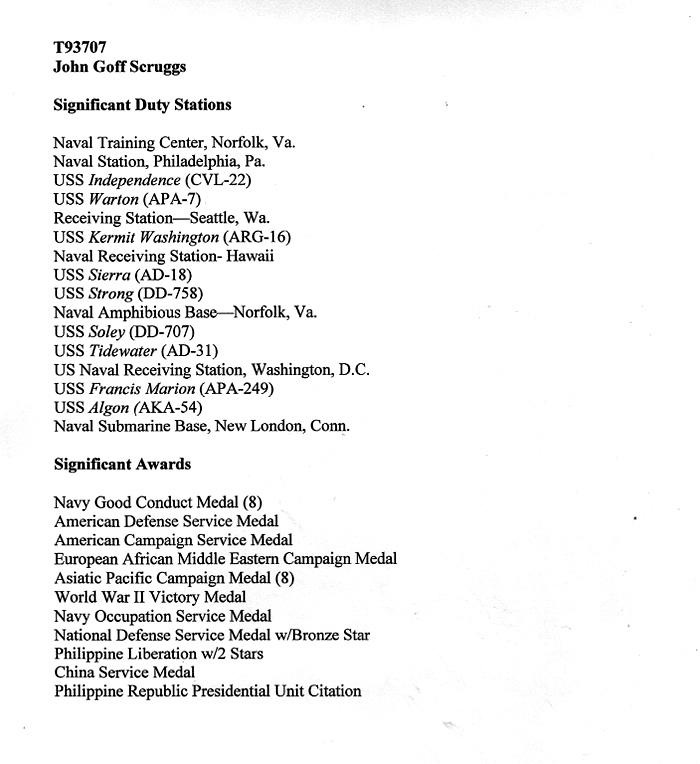 93714
93714  93722
93722  93799
93799  93889
93889 
 93992
93992  94006
94006 
94136
 94162
94162 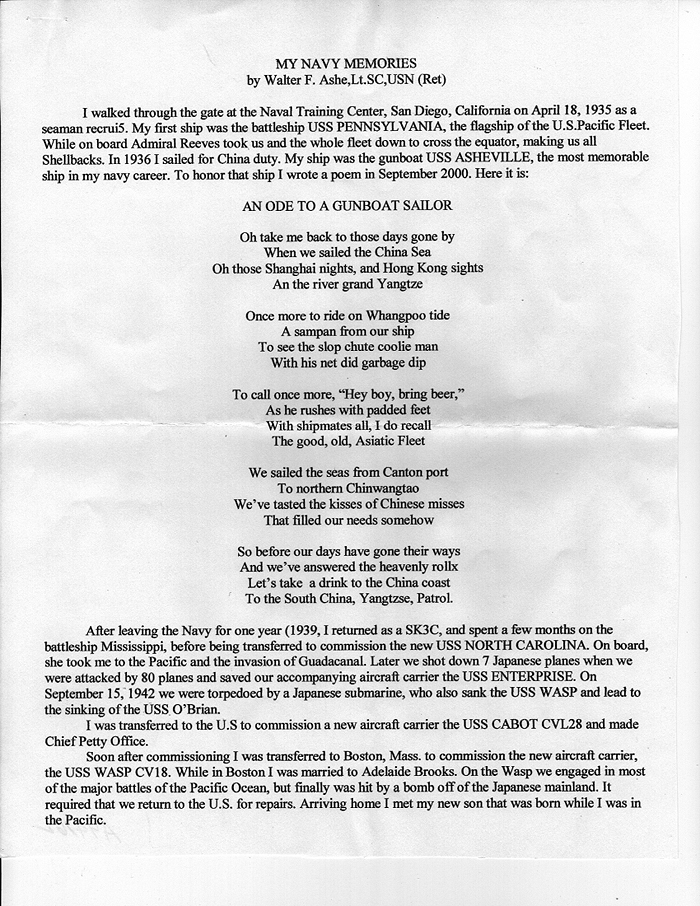
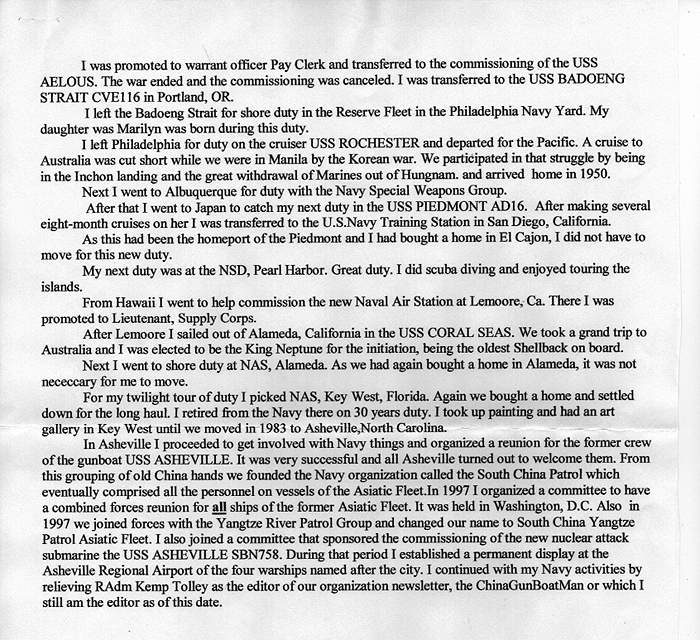 94183
94183 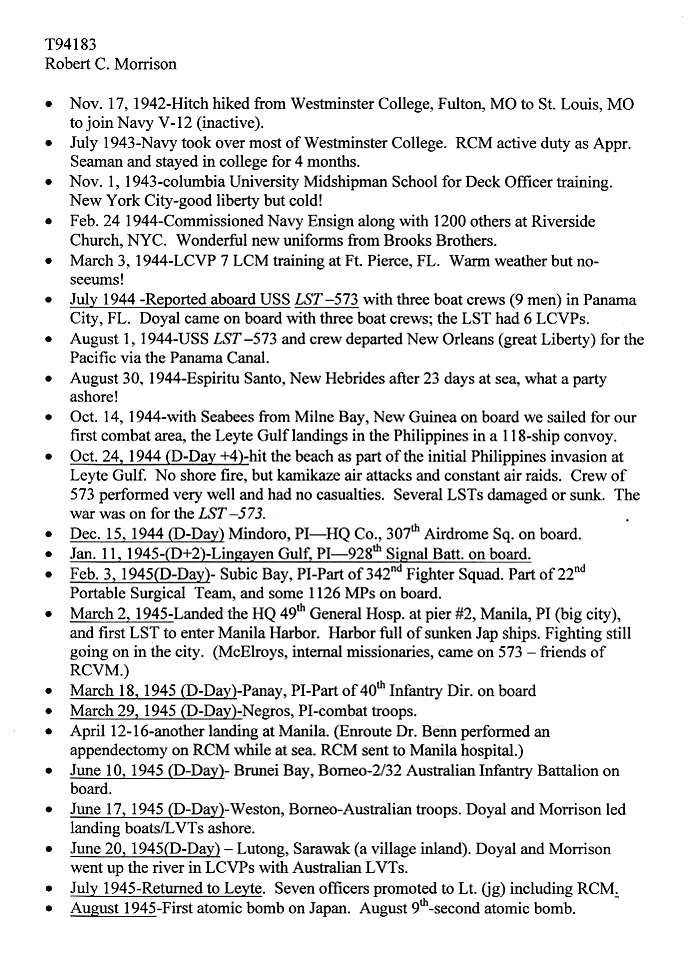
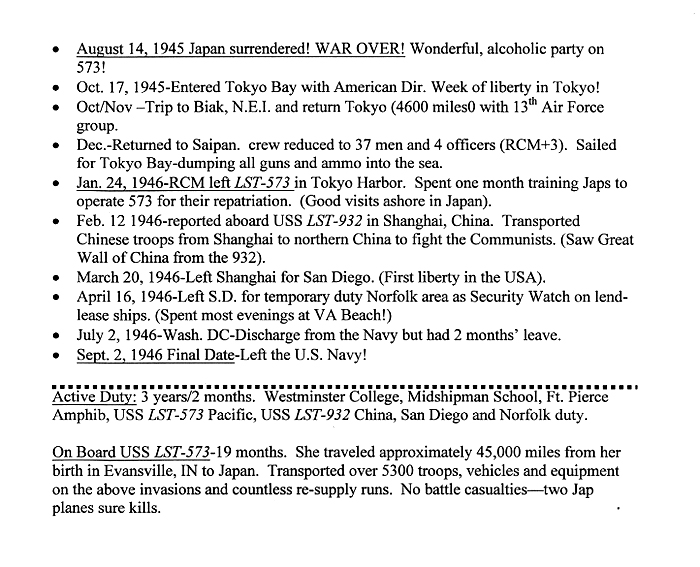 94202
94202  94290
94290 
 94421
94421 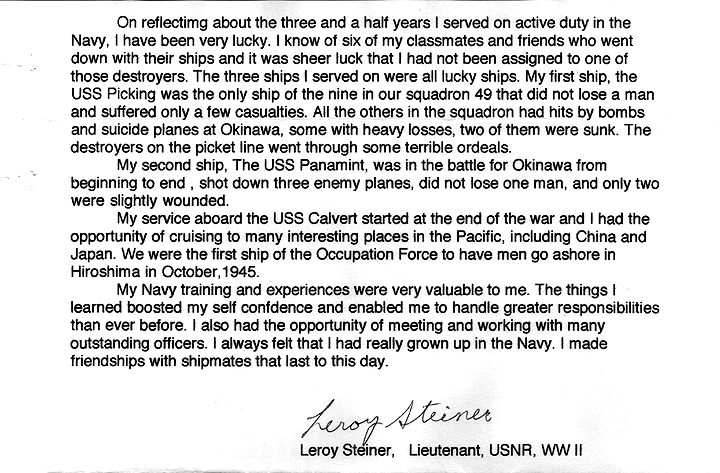 94426
94426 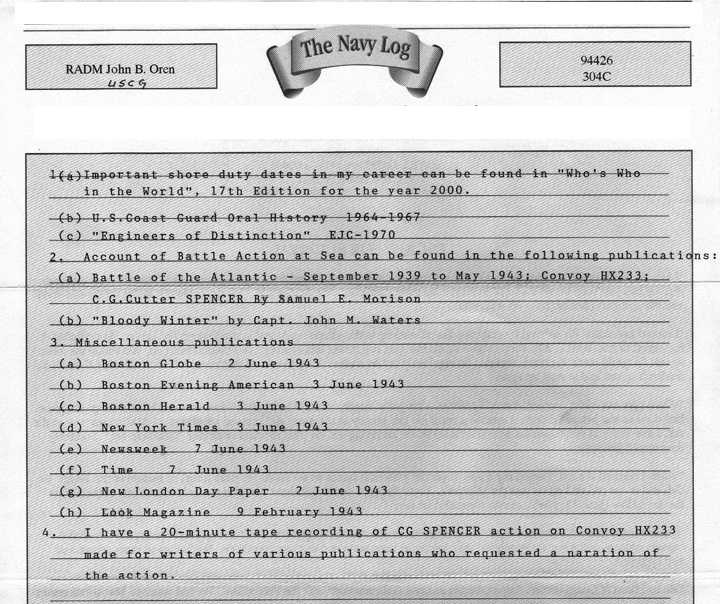 94441
94441 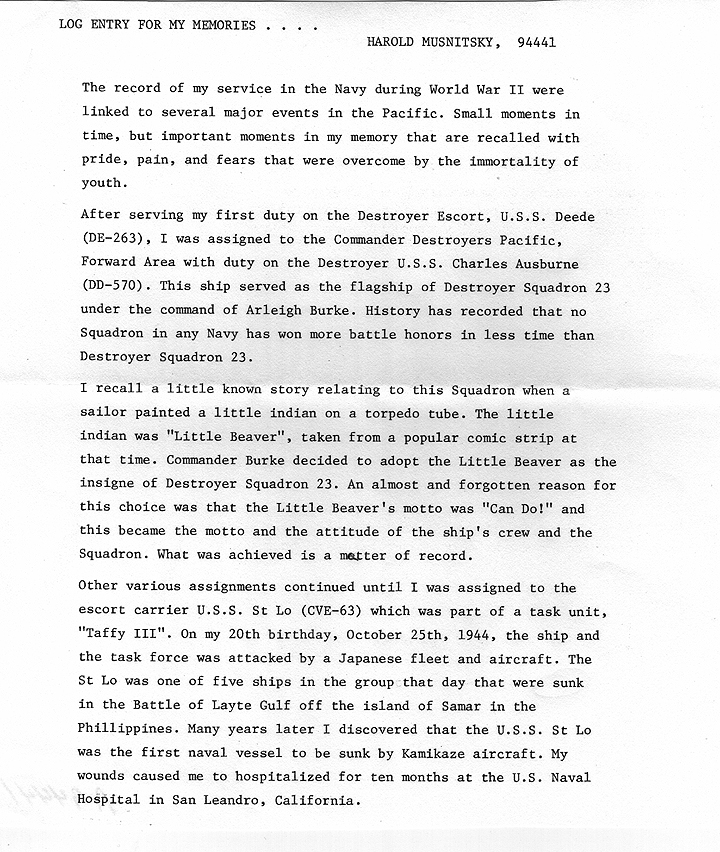
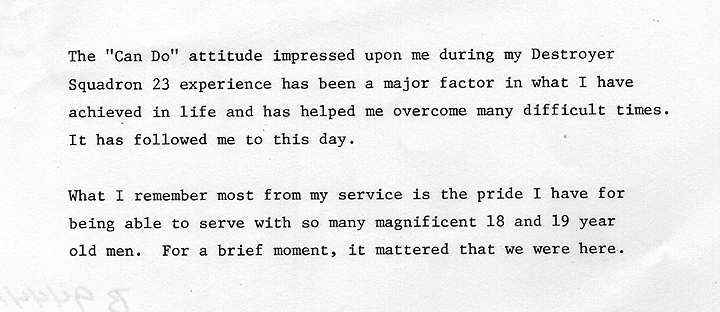 94465
94465 
 94518
94518 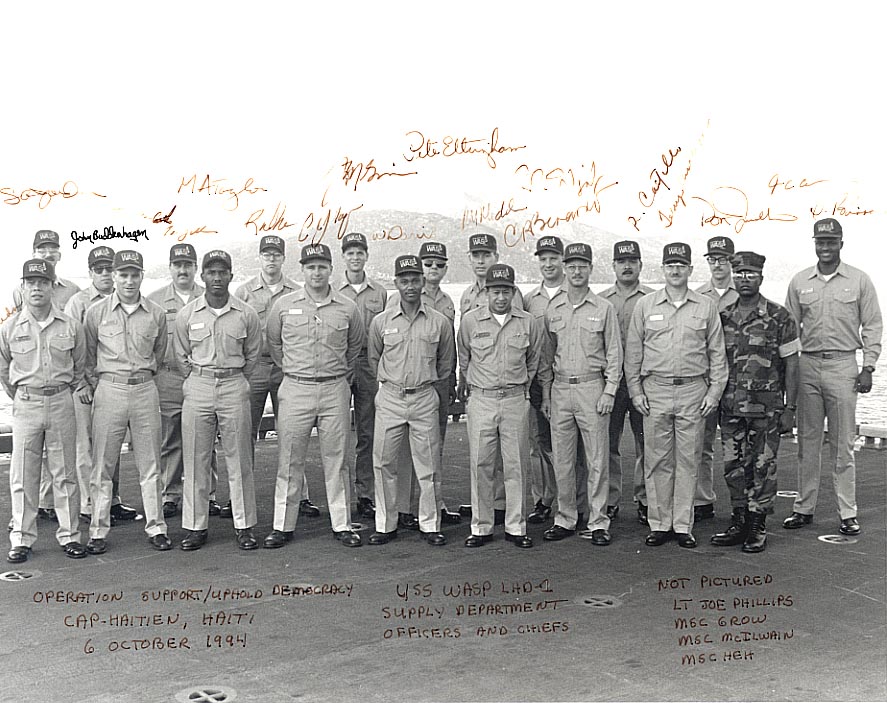 94566
94566  94616
94616 
 94623
94623 
 94672
94672  94725
94725  Captain Charles W. Rush, then a lieutenant, is credited with saving USS Billfish (SS 286) and her crew amid depth charge attacks by the Japanese in November 1943. Rush was directly responsible for saving Billfish and directing damage control efforts after the depth charge attack incapacitated the ship's captain and all officers senior to Rush. Keeping calm, Rush was able to sustain the submarine 170 feet below its test depth for 12 hours - with a ruptured aft pressure hull and while the submarine was riddled with major leaks through the stern tubes and various hull fittings.
After another officer relieved him, Rush discovered the helm was unmanned and that no action had been taken to counter the sustained attacks. He assumed command, found a helmsman and proceeded to direct evasive actions by innovative maneuvers that retraced their path under the submarine's oil slick left by an explosion near the fuel ballast tanks.
Rush eluded the enemy above and surfaced four hours later.
(Source: Navy.mil)
 94801
94801  94874
94874  95180
95180  95203
95203 
 95208
95208  95266
95266  95268
95268  95289
95289  95294
95294  95296
95296 
 95329
95329 
 95367
95367  95412
95412 
 95457
95457 
 95541
95541  95588
95588 
 95606
95606  95617
95617  95705
95705 
 95749
95749  95765
95765 
 95769
95769 Additional Qualifications:
Enlisted Aircrewman Wings
Surface Warfare Officer Insignia
Engineering Duty Officer Dolphins Insignia
Strategic Deterrent Patrol Pin
95838Flight Hours: 2,383
Carrier Landings: 88
Aircraft Flown: SNJ Texan, T-28B Trojan, TV-2 Training Star, F9F-2 Panther, F9F-6 Cougar, F9F-8 Cougar, FJ-3 Fury, S-2F Tracker, SH-3A Sea Knight
95905
 95949
95949  96090
96090 
 96103
96103  96148
96148  96185
96185  96203
96203  96438
96438 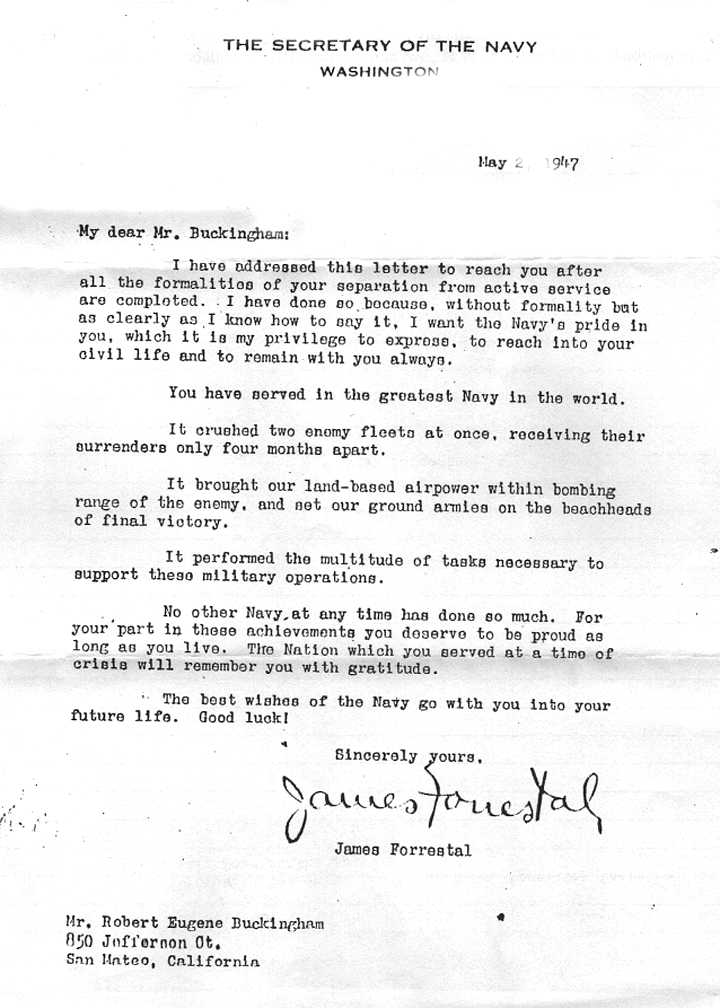 96456
96456 
 96539
96539  96571
96571 
 96659
96659  96674
96674 
 96763
96763  96958
96958  97001
97001 ACDUTAR during OPSAIL '76 and INR 1986 on-board the L.E. Eithne, the Irish ship participating in the review.
Go Navy...Beat Army!
97040 97101
97101  97307
97307 
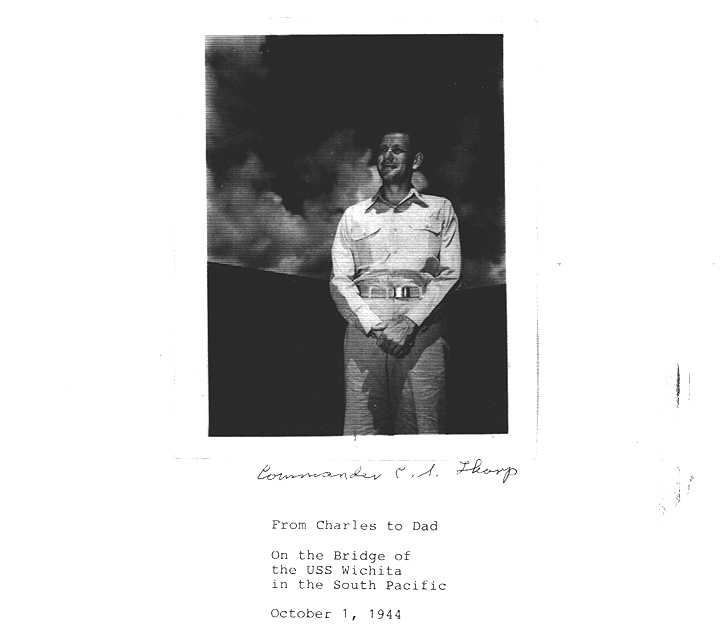 97314
97314  97402
97402 
 97500
97500 
 97651
97651  97655
97655 
97667 97769
 98078
98078  98182
98182  98339
98339  98449
98449 
 98508
98508  98553
98553  98710
98710  98790
98790 
 98795
98795 
 98927
98927 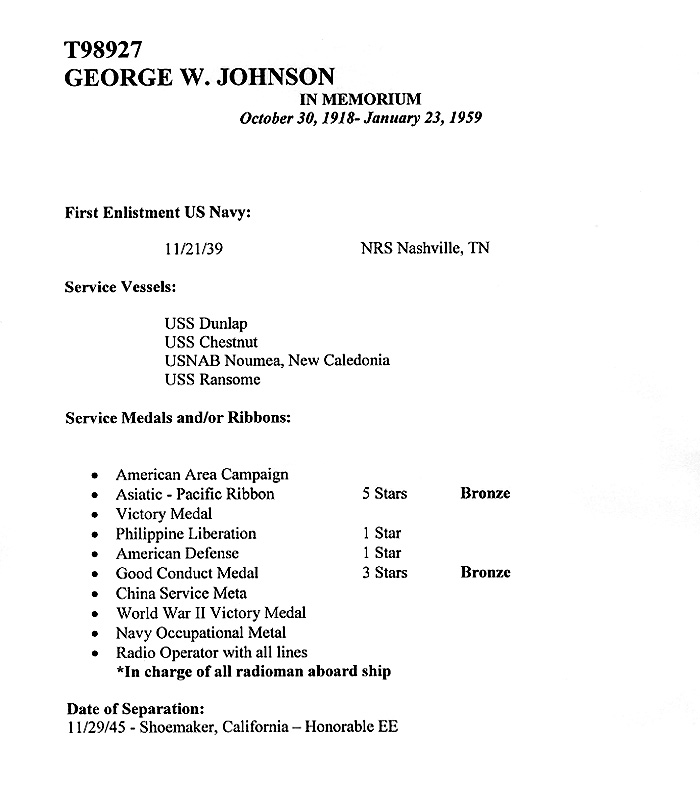
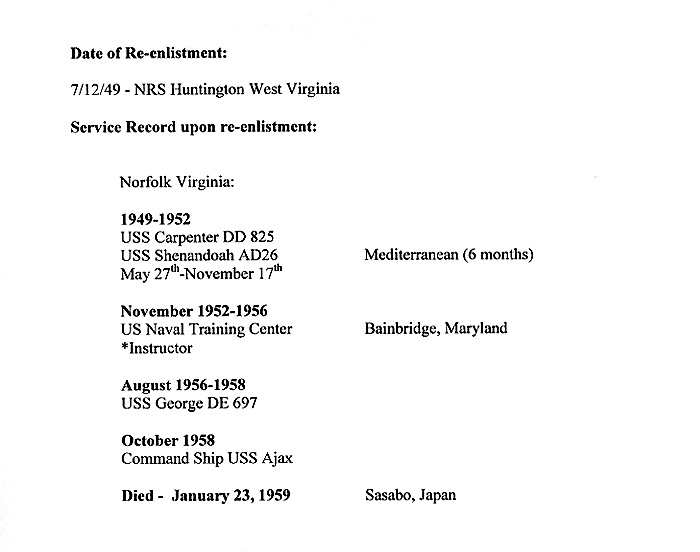 99054
99054 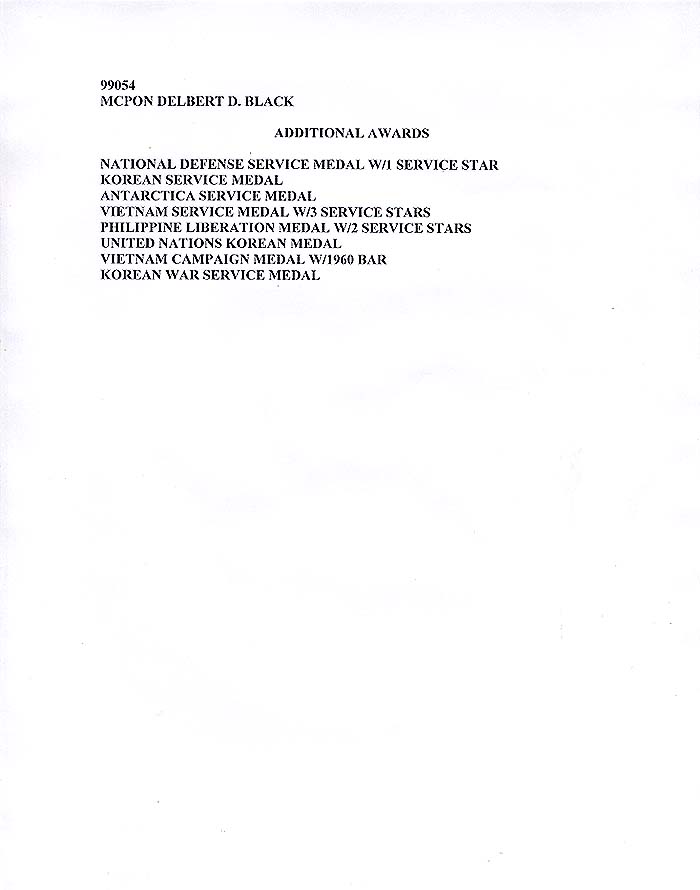 99226
99226 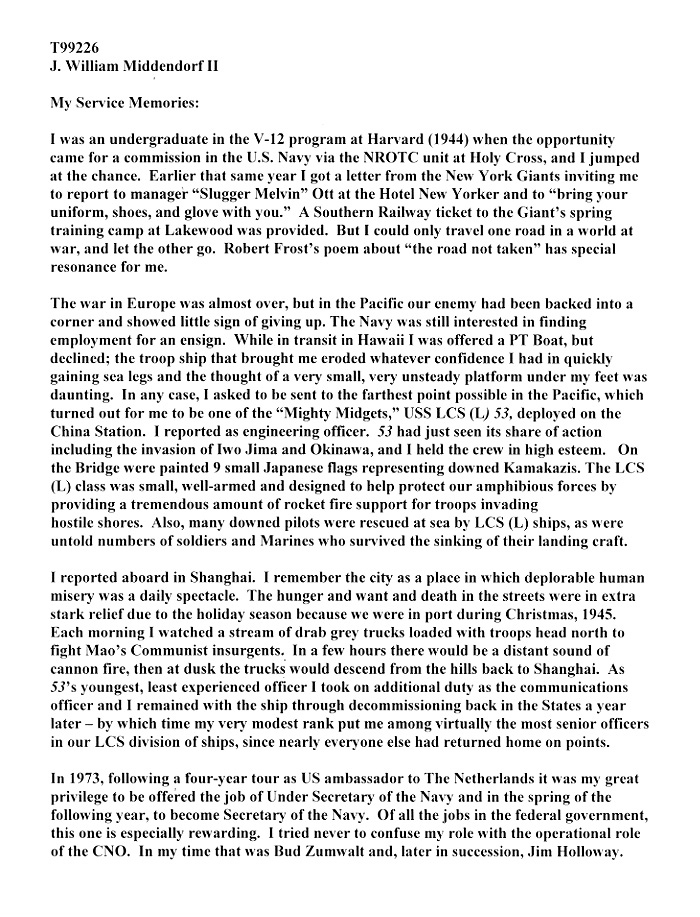
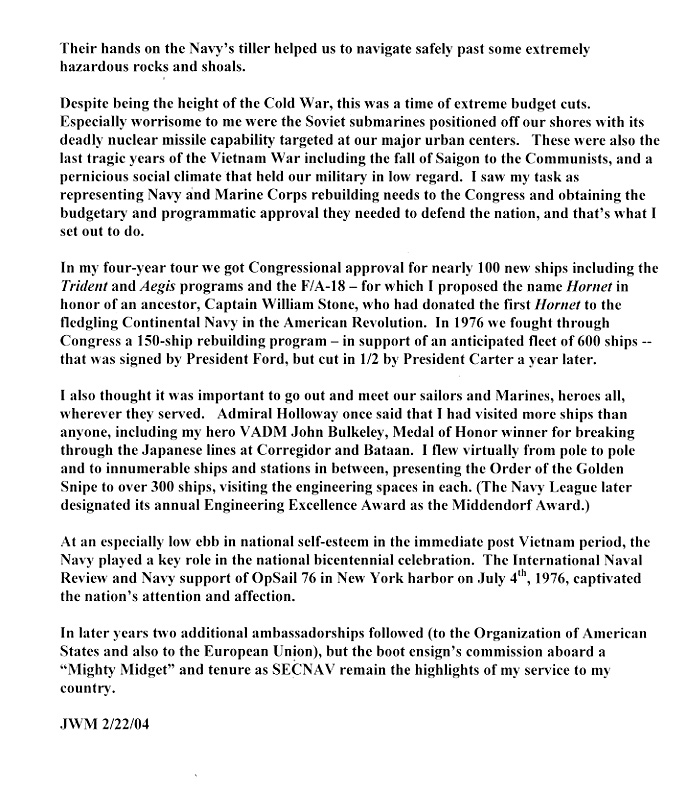 99508
99508 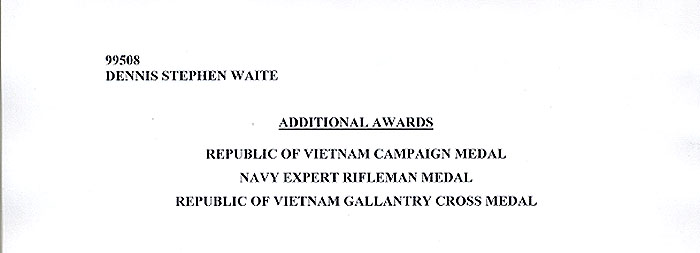 99776
99776 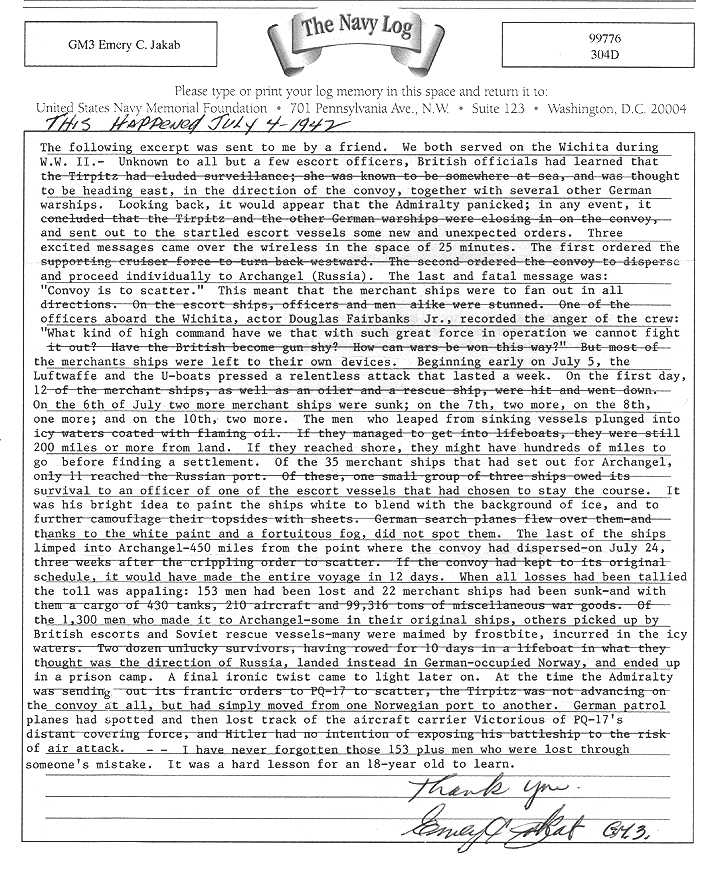 99887
99887 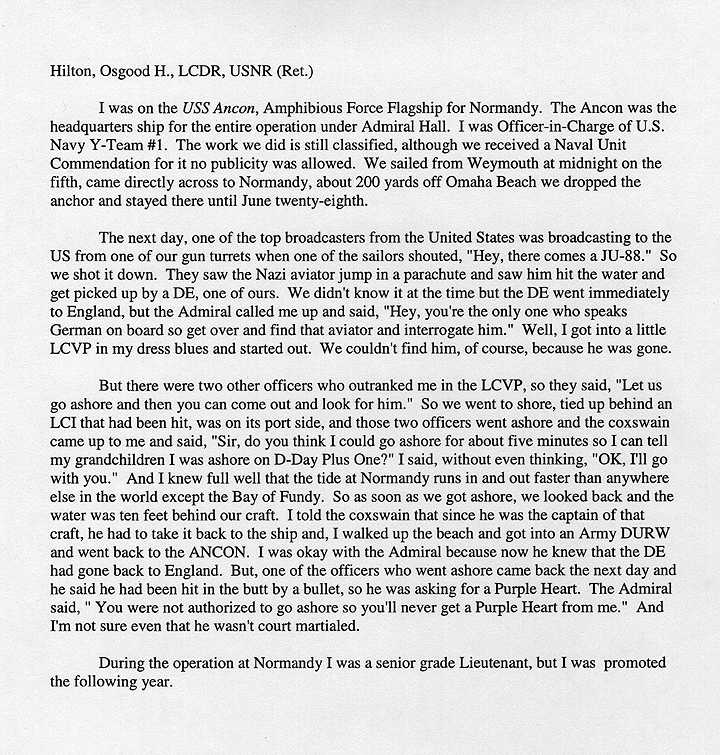 99999
99999 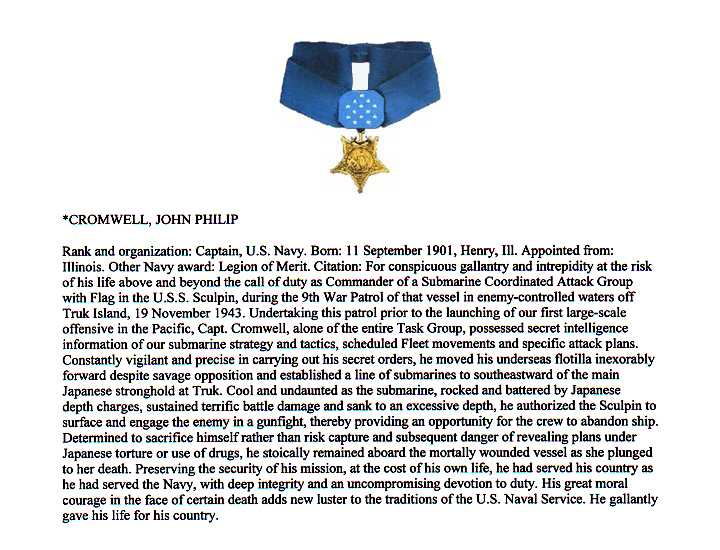
HE CHOSE TO GO DOWN WITH SINKING SUBMARINE
RATHER THAN BECOME A JAPANESE POW
John Philip Cromwell was born on September 11, 1901, in Henry, Illinois, but his heart took him from the Midwest to the ocean. He graduated from the Naval Academy in 1924. His initial sea service was on the battleship USS Maryland but his abilities led to him being picked for the fledgling American submarine force. He served aboard and commanded some of the U.S. Navy's first large submarines. After several tours at sea he was selected for further training in the complex diesel engines that were critical to submarines of that era. He rose through the ranks, eventually becoming a division commander. World War II found now Captain Cromwell in the Pacific commanding Submarine Divisions 203, 43, and 44. His flagship was the USS Sculpin. In November 1943 Sculpin, with Captain Cromwell aboard, put to sea with orders to rendezvous with two other submarines to form a wolf pack to attack Japanese shipping. The Americans were preparing to invade the Gilbert Islands later that month. It would be a critical and bloody fight to wrest control of the central Pacific from Japanese forces. Cromwell was aware of the operation's details and was also familiar with the top-secret American ability to read Japanese military codes.
On November 18, 1943, while en route to the rendezvous, Sculpin’s radar detected a large Japanese convoy and she made an end around at full power to attack the convoy. As Sculpin came up her periscope was detected and the convoy made a turn toward Sculpin so that they would present only a bow to the submarine. After submerging to escape the oncoming convoy Sculpin later resurfaced only to discover that the Japanese destroyer IJN Yamagumo, which had been left behind as a lookout, was waiting only a few hundred yards away. Yamagumo immediately launched a depth charge attack which severely damaged Sculpin. A damaged depth gauge caused her to surface rather than go to periscope depth and she came up directly in front of the Yamagumo, Although Sculpin quickly dived again it was too late. Yamagumo pounded Sculpin with a series of depth charges, causing severe damage. With no way to escape, and more destroyers coming, the Commanding Officer decided to surface again and try to fight it out. Yamagumo was ready. As Sculpin came up Yamagumo's first salvo killed her entire bridge crew including the Commanding Officer and those running to man the weapons. Sculpin's surviving senior officer ordered the submarine scuttled and the crew to abandon ship.
Captain Cromwell, Tactical Commander, was below deck during the battle and realized that if revealed, the secrets he knew could seriously jeopardize the American war effort. He knew the Japanese couldn't be allowed to learn the invasion plans or that the Americans had broken the Japanese codes. While he knew he wouldn't voluntarily talk he felt there was no guaranteeing he might not break under torture or the influence of interrogation drugs. He therefore decided to stay with Sculpin forever to insure the enemy could not gain any of the information he possessed. He helped the crew abandon ship but made no move to leave himself. He was last seen standing in the control room watching it fill with water.
For his heroism and devotion to country he was posthumously awarded the Medal of Honor. It was presented to his widow.
Submitted by CDR Roy A Mosteller, USNR (Ret)
100159 100290
  100685
 100712
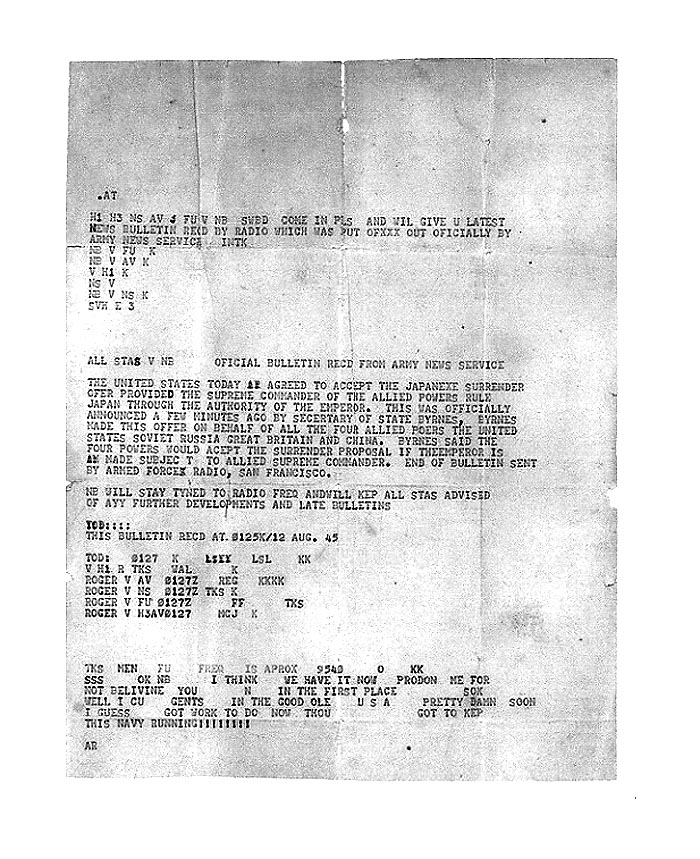 100751
  100821
 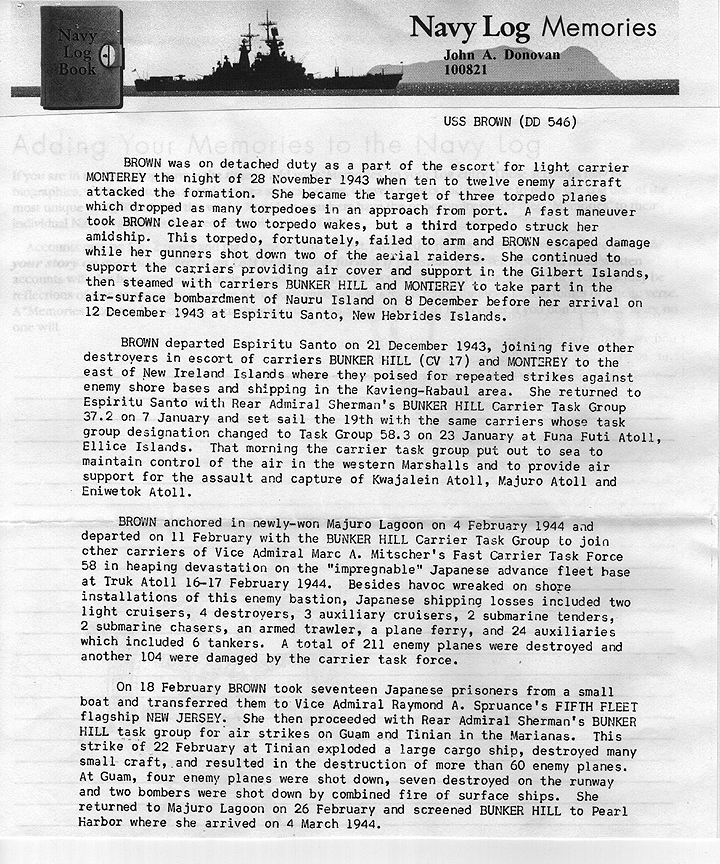 100970
  101223
  101434
  101467
  101636
 101666
 101862
  101942
 102020
  102036
  102042
  102447
  102590
  102652
 Duty Stations
Aug 64 - Nov 65 United States Navy and Marine Corps
Reserve Center, Cincinnati, Ohio
Dec 64 - Jan 65 Recruit Training Command, Great Lakes
Jul 65 - Aug 65 USS BRISTOL (DD-857)
Nov 65 - Jan 66 Naval Station, Norfolk
Jan 66 - Jan 67 Fleet SONAR School, Key West
Jan 67 - Jun 67 Fleet Anti-Submarine Warfare School, San Diego
Jul 67 - Jun 68 USS LUCE (DLG-7), Mayport
Jun 68 - Mar 70 USS GLENNON (DD-840), Newport
Mar 70 - May 72 USS MACDONOUGH (DLG-8), Charleston
May 72 - Jun 72 Fleet Training Center, Norfolk
Jun 72 - Jun 75 Recruit Training Command, Orlando
Jul 75 - Sep 75 Fleet Anti-Submarine Warfare School, San Diego
Oct 75 - Mar 80 USS LUCE (DDG-38), Mayport
Mar 80 - May 80 Navy Recruiting Orientation Unit, Naval Training
Center, Orlando
May 80 - May 83 Naval Recruiting District, New York City
May 83 - Jun 83 Career Counselor School, Norfolk
Jun 83 - Jun 87 Naval Surface Group FOUR, Newport
May 86 - Jul 86 Senior Enlisted Academy, Class 22 Green, Newport
Jun 87 - Oct 90 Senior Enlisted Academy, Newport
Nov 90 - Dec 93 USS SARATOGA (CV-60), Mayport
Dec 93 - Feb 96 Strike-Fighter Wing, Cecil Field, Jacksonville
On January 31, 1942, William left his home in Cincinnati, went across the Ohio River to Fort Thomas, Kentucky, lied about his age and enlisted in the U.S. Army. He was only 15 years old. He was assigned to the 4th Armored Division, 37th Armored Regiment, at Camp Bowie, Texas. Because he was underage, after serving about 15 months, he received an Honorable Discharge on August 24, 1943.
On June 9, 1944, he enlisted in the U.S. Navy. He saw action in the Pacific aboard the USS IBEX (IX 119) and the USS BREMERTON (CA 130). After the war, he was honorably discharged as a Seaman First Class, under the points system, on February 25, 1946.
102721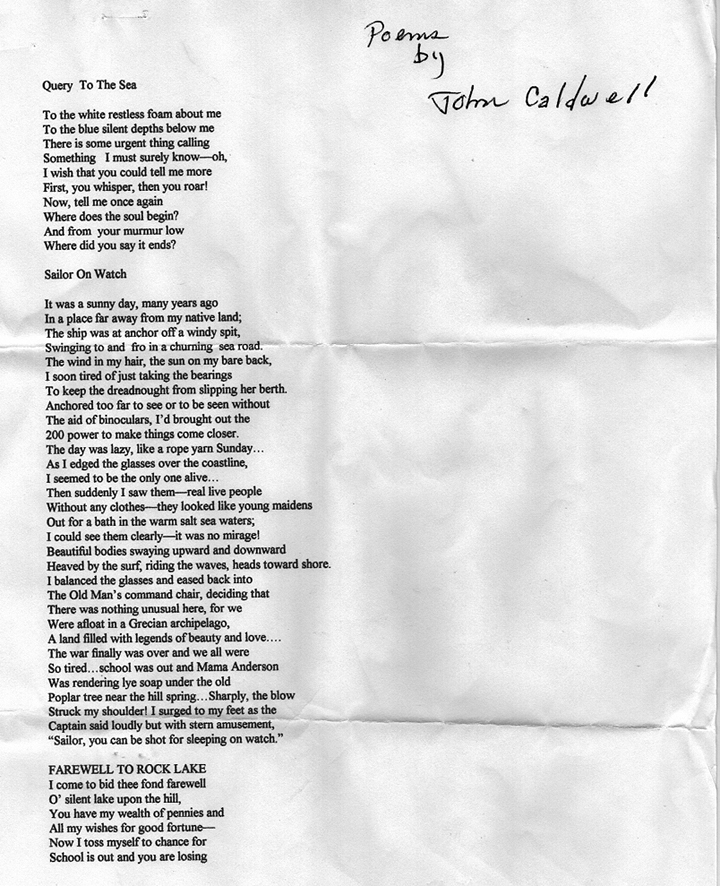

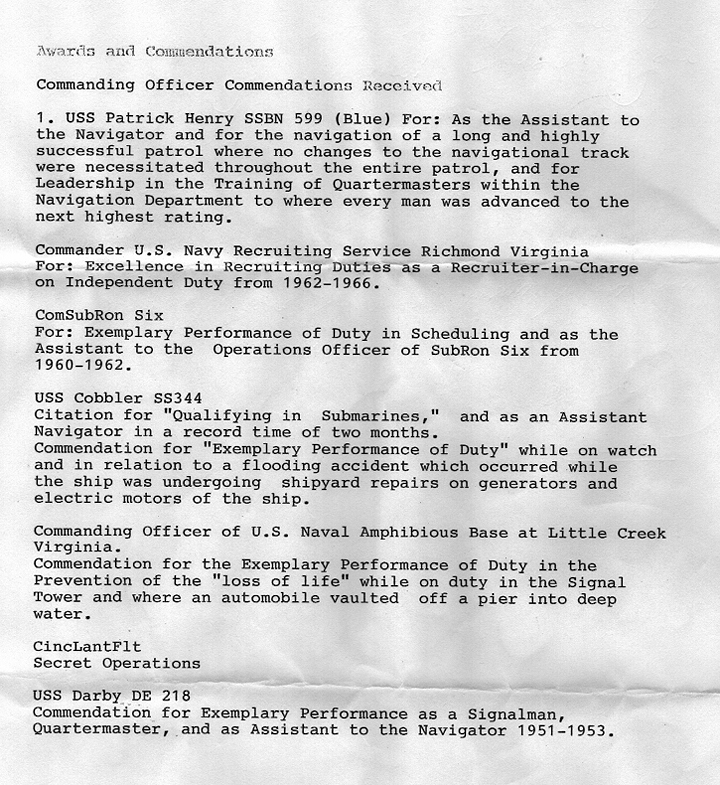 102767
 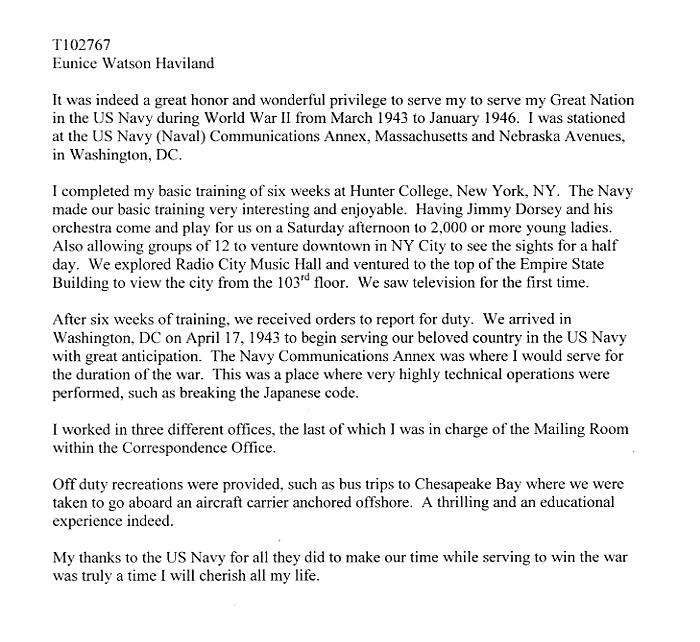 102869
 102869
Richard Wayne Gillette
Richard was born on 15 May 1950 in Coronado,
Dependent, he traveled around the
an excellent student and always wanted more knowledge. He spoke
several languages besides English: e.g., French, Spanish, and German.
He graduated from
He then attended the
to the states and graduating from the
Commanding Officer of NISO
of Boot Camp, he went to
the Enlisted
he was assigned to duty on the USS BILLFISH (SSN-676). Upon
completion of his enlistment, he received an Honorable Discharge,
and once again went traveling. He worked on a Kibbutz in
and then went to
accident on 5 May 1981. He is now interred for his final rest at Brevard
Halbert Gillette Dorothy Gillette
#00717216H
103036
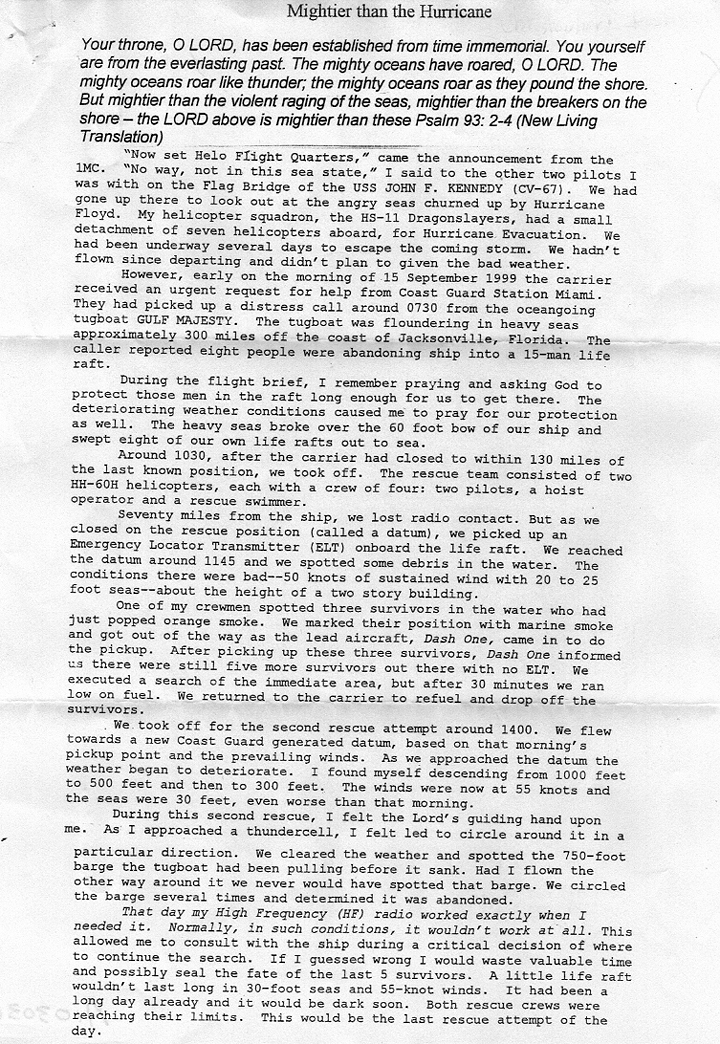
 103199
 103212
  103360
  103365
 103371
 LEARNING TO LAND ON A CARRIER
Then ENS Robert E. Holmbeck was a fledgling dive-bomber pilot who logged 300 hours in Helldivers in less than a year. In late 1944 his operational training unit, based at Cecil Field, in Jacksonville, Florida, flew SBW-3s and SBT-3, after which he joined the VB-97 pool at NAS Grosse Ile, Michigan, which was equipped with SB2C-4s. In an article published in the September 2003 issue of SCUTTLEBUTT, the newsletter of the USS Guadalcanal Task Group 22.3 Association, he described some of his evolution into being a qualified fleet-ready bomber pilot:
After 10 to 15 hours of field carrier landing practice we became comfortable with flying low at slow speed. Then we went out to a carrier standing by at sea to become full-fledged carrier pilots. Our ship was USS GUADALCANAL (CVE-60), out of Mayport, Florida. It was a small escort carrier that couldn't take many aircraft at one time, so we flew out with six '3Cs, each with another pilot in the back seat to conserve deck space. Sitting in the back seat as we approached the deck I remember looking at that little CVE wondering, How does anyone get aboard that? Unbelievable that in this big, wide ocean, there was such a small rectangular piece of deck that we had to get that big airplane onto! The pilot made the landing, the crew chocked the airplane with the engine still running, and I jumped in the front seat for my first takeoff. No problem. I went around - everything was fine. On the downwind leg at 200ft altitude I did the checklist - mixture rich, prop low pitch, gear, flaps and hook down. Coming abreast of the stern I came around on base leg and picked up the LSO's paddles. Now I'm focused on him all the way in - too low, slow, high, fast, whatever. When he gave the cut, I chopped the throttle and pushed over to head right for the deck, then came hard back on the stick so that the airplane would plop down in a three point attitude. The airplane snagged a wire right where it was supposed to. Man! My confidence level went up about 1000 percent. From then on it's a piece of cake, or so I thought!
After three or four landings with things going very naturally, I came up the groove and everything was normal. The carrier was at a small angle to the wind, not straight down the center. That day it was 10 to 15 degrees right so prop wash was going off to the left. Receiving the cut signal from the LSO I pulled back on the throttle, heading for the deck. While coming back on the stick I noticed that the aircraft was drifting left. I was not down the centerline of the deck. In that fraction of a second I saw things were not as they should be. When I plopped down I opened the throttle, still drifting off the deck. Somehow the tail hook bounced between two arresting wires failing to catch a wire, or I'd have been in big trouble. And though the wing missed the catwalk, I was headed for the drink. I hauled back on the stick, the throttle was wide open, and this thing was settling, settling, settling. It looked to me like I was going in the water but the machine hung itself on the prop. It didn't settle any further, so I got the gear up and hung on for dear life. I don't know how long it took me to get some decent flying speed but I got going again, rejoined the pattern and continued on. You couldn't come any closer to going in the drink but luck was on my side. I made the next landing with no problem and finished the required number but I often wondered why I didn't get wet. Sometime later I looked back in my logbook and I got a little upset. For some reason the damn fools didn't even give me credit for a 'touch and go' landing!
Contributed by Bob Holmbeck, TG22.3 Association Member
Subsequently Holmbeck received orders to VB-4, the Tophatters, at NAS Wildwood, New Jersey, with SB2C-5s and was then assigned to the brand new Essex Class carrier, USS TARAWA (CV-40) for her first deployment in the Western Pacific.
Submitted by CDR Roy A. Mosteller, USNR (Ret)
103515
 103555
  103608
 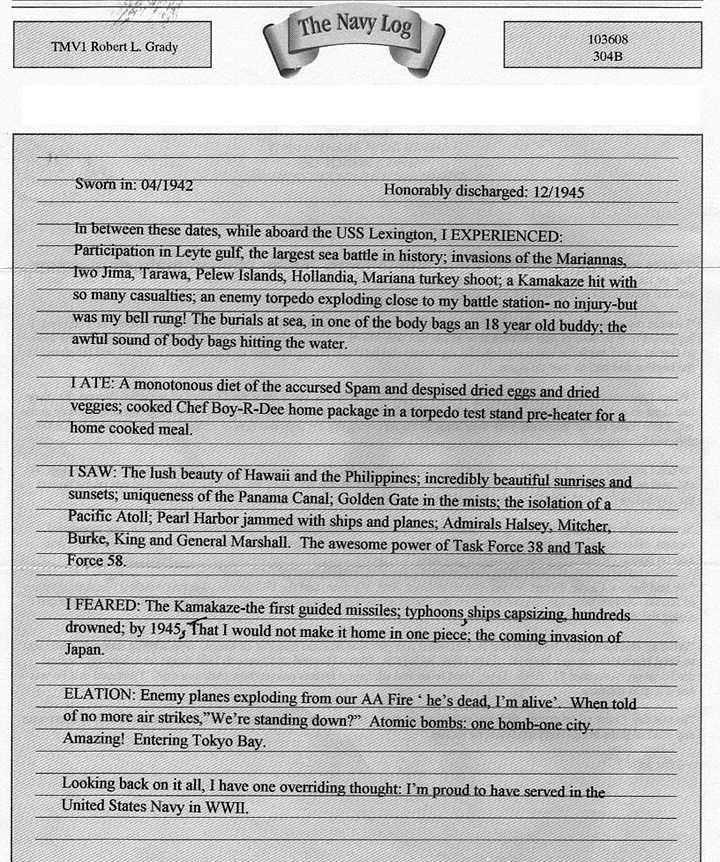 103637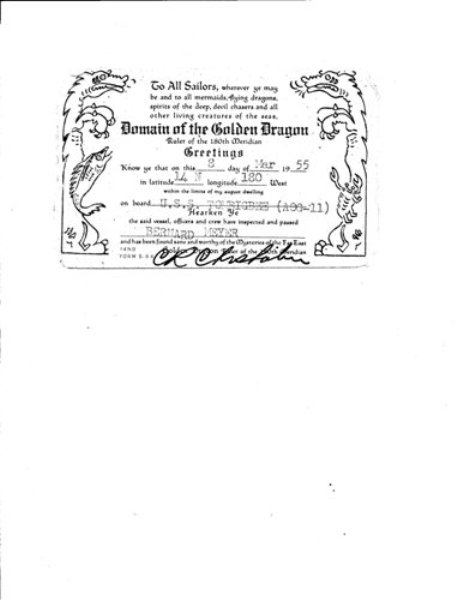
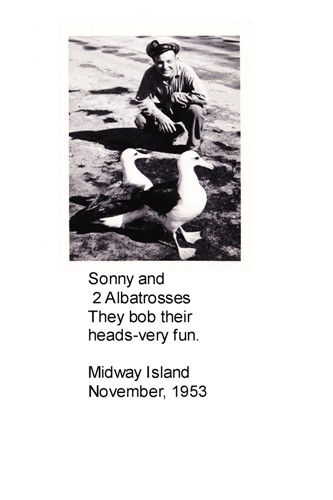
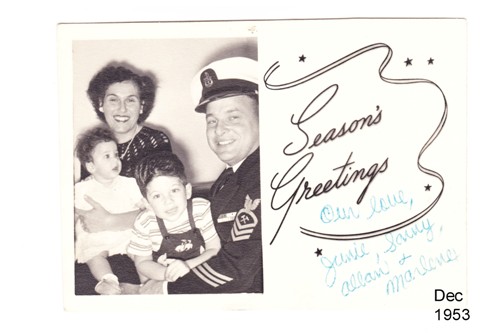
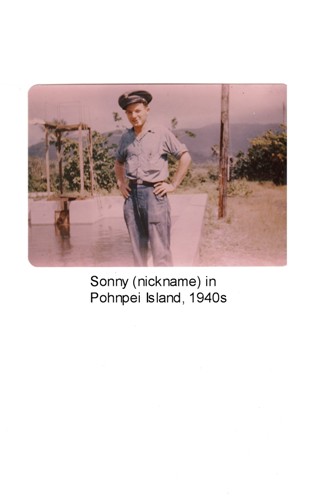
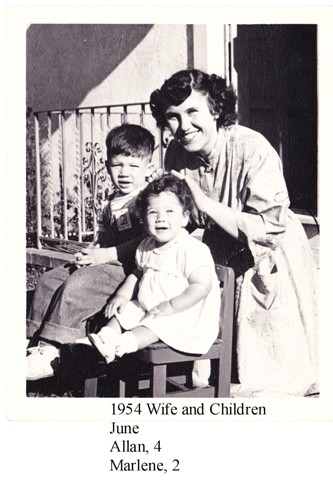 103689
  103738
  103819
  103822
  103867
  103971
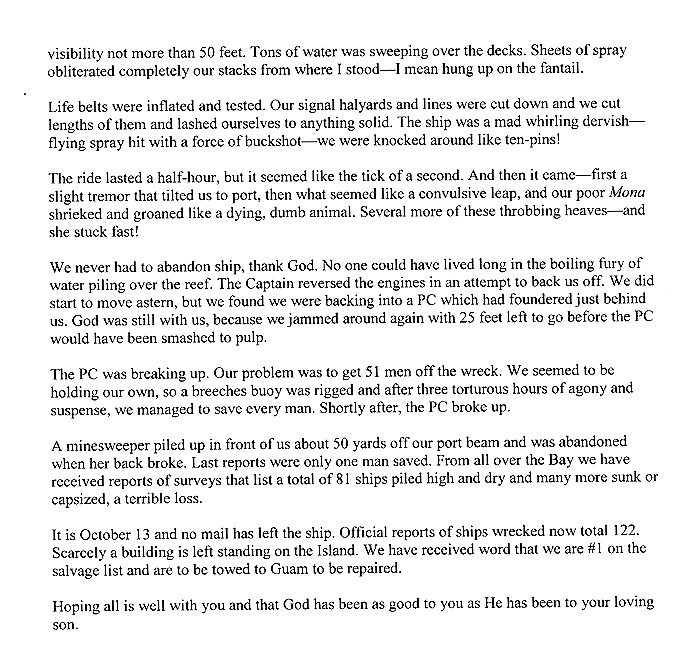 103980
 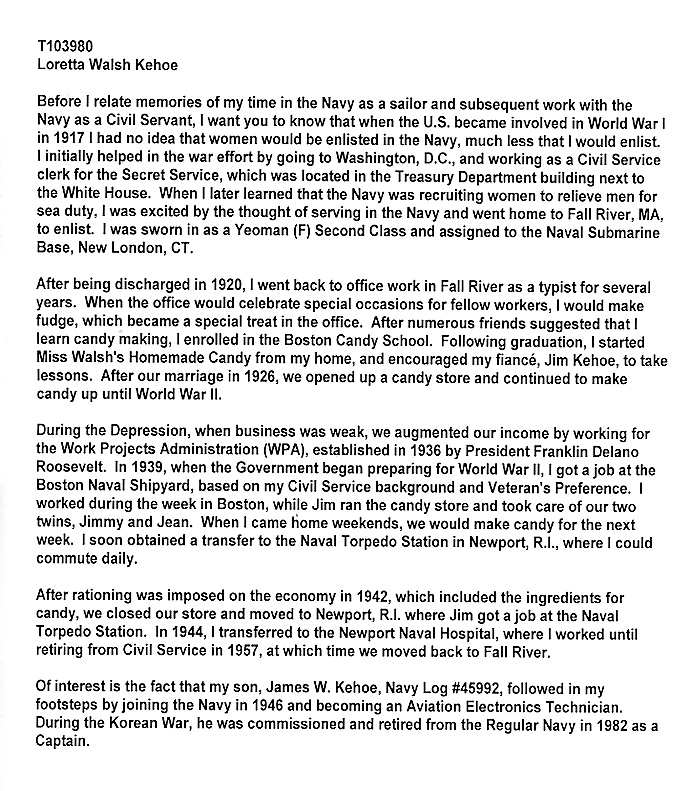 104200
  104209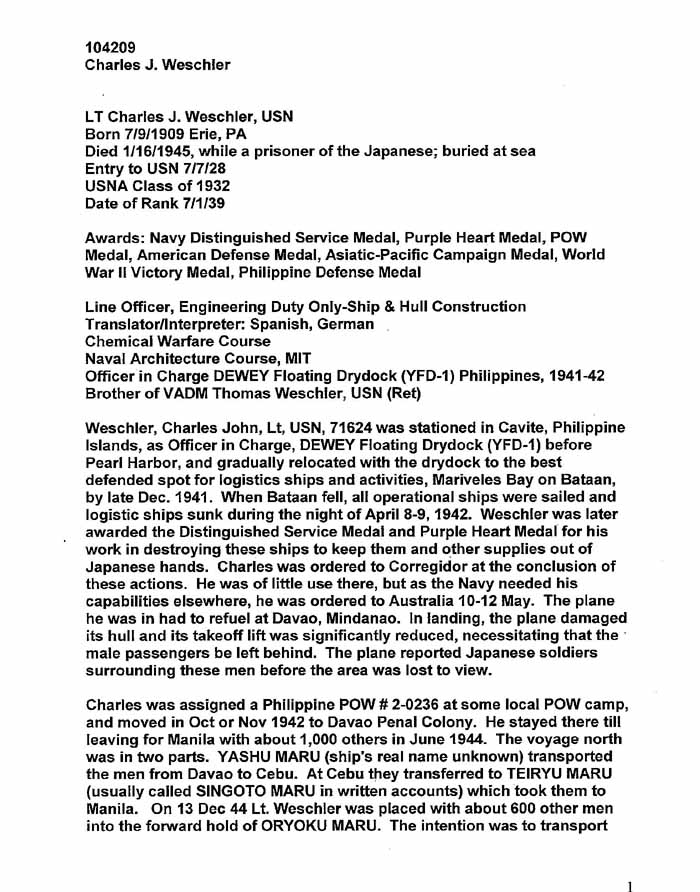
 104310
  104469
 104543
 104646
 Heywood Lane Edwards was born at San Saba, Texas, 9 November 1905 and was graduated from the Naval Academy in 1926.
After serving in battleship Florida, cruiser Reno and other ships, he underwent submarine instruction in 1931, served in several submarines, and was assigned to cruiser Detroit in 1935.
On 6 April 1942, LCdr. Edwards assumed command of Reuben James, which in March 1941 joined the convoy escort force established to ensure the safe arrival of war materials to Britain.
On 23 October 1941, the “Rube” sailed from Argentia, Newfoundland in the escort of convoy HX-156. At about 0525 on 31 October, she was torpedoed by German submarine U-562. Her magazine exploded, and she sank quickly. Of the crew, 44 survived but 115 were lost, including LCdr. Edwards.
Submitted by Doug Bewall RMCM USN Ret.
104674 104921
  104925
  104966
  105126
  105336
 105518
 105575
 105584
 105633
 105712
MOST DECORATED ENLISTED MAN IN NAVY HISTORY
James Elliott Williams, a Native American Cherokee from South Carolina, entered the Navy in July 1947 and before retiring in April 1967 gained the distinction of becoming the most decorated enlisted man in Navy history. When he retired from active service he was employed with the Wackenhut Corporation and in 1969 was appointed to the U.S. Marshal Service in South Carolina. He also became an instructor at the Federal Law Enforcement Training Center, Glynco, Georgia, and also served at the U.S. Marshal Service Headquarters in Washington, D.C., until his retirement from Federal Government Service.
Williams died on October 13, 1999, and was buried at Florence National Cemetery in Florence, South Carolina. The Master Chief Petty Officer of the Navy, speaking at the funeral said, “We will forever be grateful for the leadership and commitment he showed his sailors. Petty Officer Williams was an amazing sailor.” Following his death a retired Rear Admiral who commanded Williams in Vietnam remarked, “Willie did not seek awards. He did not covet getting them. We did not seek to make him a hero. The circumstances of time and place, and the enemy’s presence did that. I know through personal investigation of each incident that he never placed his crew nor his patrol boats in danger without first ensuring the risk was calculated and that surprise was on his side. He always had the presence of mind not to endanger friendly villages. He inspired us all, junior and senior alike. It was my greatest honor to have served with the man who truly led us all with his example of unselfish devotion to duty.” In December 2004 the USS JAMES E. WILLIAMS (DDG-95) was commissioned in his honor.
ALL HANDS MAGAZINE - JULY 1998
Boatswain's Mate 1st Class James Elliott Williams never intended to be a hero -- he just wanted to be a Sailor. "When I was 16, I convinced the county clerk to alter my birth certificate so I could come into the Navy. I thought there was nothing better than servin' my country and gettin' paid for it.” But, Williams first experience at sea was less than glorious. In fact, it was downright boring. "The first ship I drew, I was the most disappointed man in the world. I'd joined the Navy to see the world -- and doggonit, I wasn't moving. I'd got orders to an LST that just sat around a buoy in San Diego harbor." But, from that experience, Williams learned a valuable lesson about discipline and leadership. "An old chief told me, 'Son, you got to learn to take orders, even if you disagree with them. That's the first step to being a good sailor and a good leader. If you can't take orders now, you certainly won't be respected when you give them later.' Well, I got the message. Learning discipline was the springboard that helped my Navy career. From then on I had the sharpest damn knife and the shiniest shoes in the Navy. That's what I was taught. That's what I believed in, being a good Sailor. The proudest day of my life had nothing to do with medals, ribbons, citations. It was when they made me a patrol officer. That position was held only by chiefs and officers. It showed the trust the Navy had placed in me. I always wanted the opportunity to show what I could do. This Vietnam thing was it for me. The Navy gave me the chance to do my job."
On his first day out, Williams didn't disappoint. "October 31, 1966, was supposed to be a restful day in the steamy, heartland of the Viet Cong. But it's one of those times I won't never forget, no matter how hard I try. We were on a day patrol, kind of like the 'relax and recreation' patrol -- nothin' too heavy. We were only gonna check a few boats coming down the Mekong River for contraband. We were just moseying on down the river minding our own business when our forward gunner hollered, 'There's two fast-speed boats crossing ahead of us.' We had learned if you saw one of these sampans, it was something. It usually meant there was some high-ranking North Vietnamese officer on board -- and that meant trouble; as soon as the Viet Cong spotted us, they started firing." The two boats split, one headed for the north bank, the other went east. Williams and his crew broke off with the north-bound boat and sank it before it could reach the river's edge. The thirty-six-year-old Williams, affectionately called Old Man by his crew of mostly 19 and 20 year olds, then turned for the second boat. Just as he was about to open fire the sampan made a sharp turn into an eight-foot-wide canal in front of a rice paddy. Williams and his crew of Patrol River Boat-105 couldn't follow. "I looked at the map and saw that I could go to the right maybe for a third of a mile and come back to where he would have to come out. We wanted to get them real bad. I went around that corner at max sped to cut him off -- and, lo and behold, I looked up and didn't see nothing but boats and people and more boats and more people."
Williams had unwittingly stumbled into a first staging area and there was no way out but straight ahead. With bullets flying and guns blazing, Williams slammed the throttle down and pulled the wheel hard left, creating a large wake which slapped against the hull of the sampan and disrupted the enemy's aim. Williams then took PBR-105 at full speed through the middle of the formation, causing mass confusion. "Fire came from all directions. But their aim was off that day 'cause they was shootin' and hittin' more of each other than we was." With some crafty boat handling, Williams zigzagged his way through the staging area while his crew returned the enemy's fire. But, the cliche, "out of the frying pan and into the fire," was about to become much more real for Williams and his crew. "We get through this area and I'm trying to high-tail it back. We got around the next corner and by God! there's another staging area. We had to just fight. There was no way out. I twisted, crisscrossed and turned that PBR. I did whatever I could to get them off our backs." The fight lasted for three and a half hours. When it was all over, Williams, with just two boats and 10 men, had sunk 65 enemy boats and eliminated 1,200 enemy troops. "It's hard to believe the first day we were out, we got blasted to hell and back and nobody got killed." For his heroic actions that day, Williams was awarded the Congressional Medal of Honor. But he is quick to admonish anyone who wants to talk about his awards. "You gotta stop and think about your shipmates. That's what makes you a great person and a great leader - taking care of each other. You've got to think -- team. It takes a team to win any battle, not an individual." But on one particular day in 1966, this individual made the team unbeatable.
MEDAL OF HONOR CITATION:
For conspicuous gallantry and intrepidity at the risk of his life above and beyond the call of duty. BM1 Williams was serving as Boat Captain and Patrol Officer aboard River Patrol Boat (PBR) 105 accompanied by another patrol boat when the patrol was suddenly taken under fire by 2 enemy sampans. BM1 Williams immediately ordered the fire returned, killing the crew of 1 enemy boat and causing the other sampan to take refuge in a nearby river inlet. Pursuing the fleeing sampan, the U.S. patrol encountered a heavy volume of small-arms fire from enemy forces, at close range, occupying well-concealed positions along the river bank. Maneuvering through this fire, the patrol confronted a numerically superior enemy force aboard 2 enemy junks and 8 sampans augmented by heavy automatic weapons fire from ashore. In the savage battle that ensued, BM1 Williams, with utter disregard for his safety exposed himself to the withering hail of enemy fire to direct counter-fire and inspire the actions of his patrol. Recognizing the over whelming strength of the enemy force, BM1 Williams deployed his patrol to await the arrival of armed helicopters. In the course of his movement he discovered an even larger concentration of enemy boats. Not waiting for the arrival of the armed helicopters, he displayed great initiative and boldly led the patrol through the intense enemy fire and damaged or destroyed 50 enemy sampans and 7 junks. This phase of the action completed, and with the arrival of the armed helicopters, BM1 Williams directed the attack on the remaining enemy force. Now virtually dark, and although BM1 Williams was aware that his boats would become even better targets, he ordered the patrol boats' search lights turned on to better illuminate the area and moved the patrol perilously close to shore to press the attack. Despite a waning supply of ammunition the patrol successfully engaged the enemy ashore and completed the rout of the enemy force. Under the leadership of BM1 Williams, who demonstrated unusual professional skill and indomitable courage throughout the 3 hour battle, the patrol accounted for the destruction or loss of 65 enemy boats and inflicted numerous casualties on the enemy personnel. His extraordinary heroism and exemplary fighting spirit in the face of grave risks inspired the efforts of his men to defeat a larger enemy force, and are in keeping with the finest traditions of the U.S. Naval Service.
MILITARY DECORATIONS
Medal of Honor
Navy Cross
Silver Star (with one gold award star)
Legion of Merit (with “V” device)
Navy and Marine Corps Medal (with gold award star)
Bronze Star (with “V” device and two gold award stars)
Purple Heart (with two gold award stars)
Navy and Marine Corps Commendation Medal (with “V” device and gold award star)
Navy and Marine Corps Presidential Unit Citation (with bronze service star)
Navy Good Conduct Medal (with four bronze service stars)
Navy Expeditionary Medal
National Defense Service Medal (with bronze service star)
Korean Service Medal (with two bronze stars)
Armed Forces Expeditionary Medal
Vietnam Service Medal (with two bronze service stars)
Korean Presidential Unit Citation
Vietnam Cross of Gallantry (with gold star and palm)
United Nations Korean Medal
Republic of Vietnam Campaign Medan
Korean War Service Medal
Submitted by CDR Roy A. Mosteller, USNR (Ret)
105762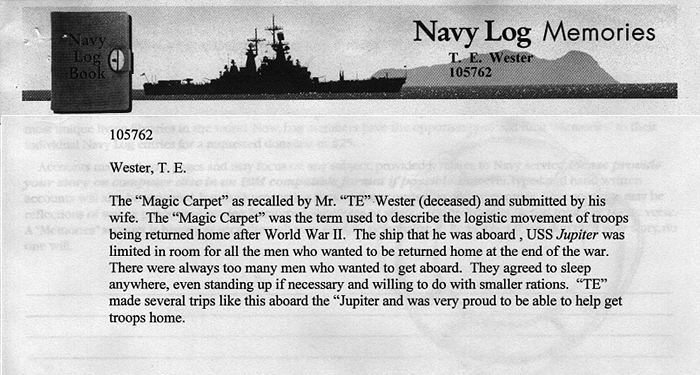 105775
  105864
 105940
  105991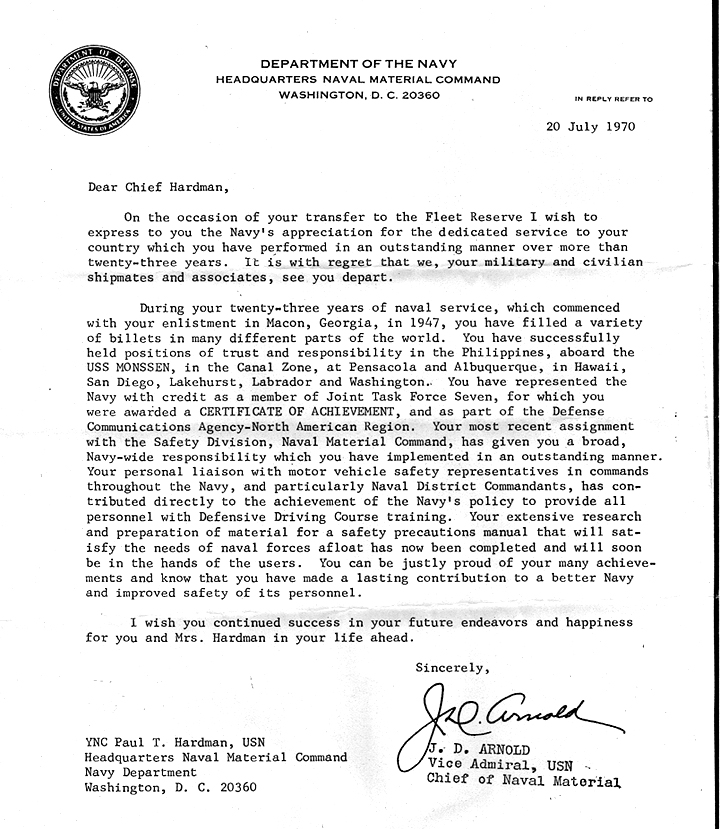
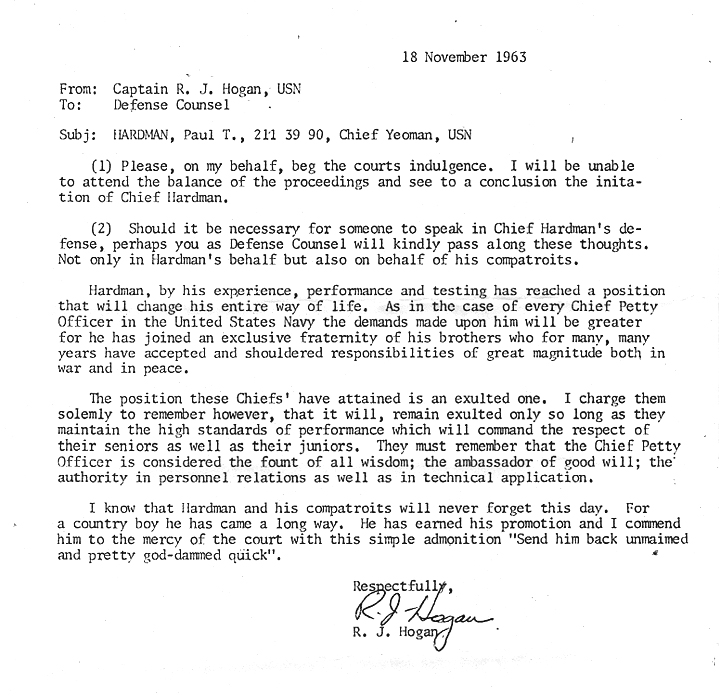 106131
 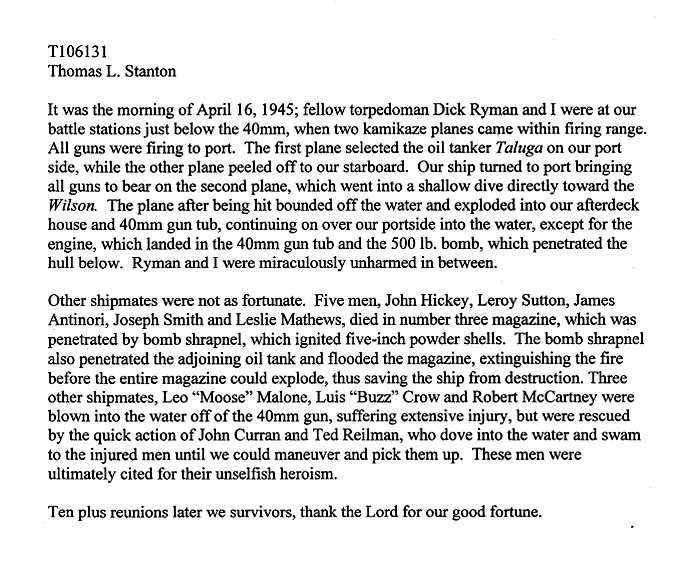 106359
 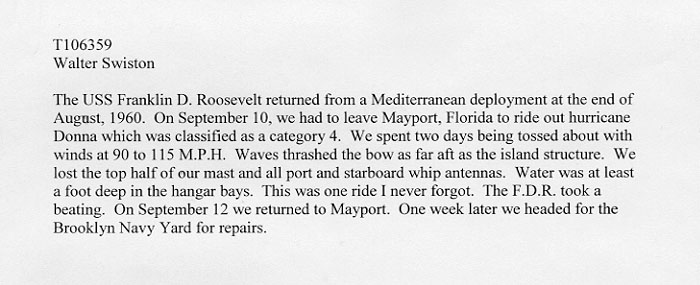 106367
  106404
 106558
  106625
 Register -Star
Columbia & Dutchess
USS Cole attack reminds local veteran of first torpedo attack of WWII
By John Mason
Hudson Valley Newspapers
December 7, 1941 is etched in the minds of most U.S. citizens as the day the nation entered WWII . But Mr. Salvatore, who lives with his wife Kay in North Chatham, knows it's not quite that simple.
On Oct 17,1941, seven weeks before the Japanese attacked Pearl Harbor, a German Submarine torpedoed the USS Kearny in the North Atlantic, killing 13 men. It was the first American Destroyer hit by a German torpedo .
It wasn't until two weeks later, Halloween of 1941, seven weeks later that the USS Reuben James became the first American destroyer sunk by a German sub.
The German forces had been trying to cut offU.S. supplies to Great Britain, such as food, oil and medicine. Their submarines were sinking Merchant ships and tankers, so the U.S. Navy started escorting convoys through the North Atlantic in September, 1941.
The Kearny came to the aid of such a convoy on Oct 16.
According to the "Tin Can Sailor," a magazine for veterans of naval destroyers, the Kearny was slowing to avoid a collision with a British corvette - an escort ship smaller and faster than a destroyer - that was picking up survivors, when the German submarine torpedoed the Kearny 's starboard side.
"It struck the forward fire room ruptured the boiler room's forward bulkhead exploded through the deck above, tore off the starboard wing of the bridge , and damaged the forward funnel and the deckhouse , " said the magazine's account. Eleven men were killed and 24 wounded.
Quick action by the engineering and damaged -control officer and the chief motor machine's mate confined the flooding to the forward fire room. The ship then sailed to Iceland , powered by the aft engine and also steered from the rear using sextants.
Salvatore was stationed in the Boiler room , but fortunately was not there at that time.
"During general quarters you have other duties," he said. I was on the machine gun, but I didn't get to it because the machine gun was just above the hole in the ship."
There was some trauma from the shock of the explosion, Fred a Salvatore said . Some of the men went deaf for a while. Carmine was awarded the Purple Heart because he was wounded over the eye from shrapnel fragments.
The ship pulled into Iceland for repairs, by the repair ship USS Vulcan." They put on a casing , they put on a casing, bolted it and welded it," Salvatore said. "They put a big bubble on the side of the ship with 3by 10's."
On Christmas Day 1941, the ship set off for Boston and major repairs.
"We were at war when we got back, " Salvatore said. They changed my title to cook on the USS Jenkins, which was also a destroyer, Carmine was a boiler tender. On the Jenkins we were part of the invasion of North Africa."
Fred and Carmine were opposites as brothers, Carmine was the straight arrow, and Fred liked to make trouble.
"If I wanted to go somewhere , I was off , I didn't care , " he said . "Then I'd spend some time in the brig."
He would come back from shore leave with a couple of pints tucked in his uniform, and Carmine would slap him on the bottles, breaking them.
Retired now in North Chatham, Fred Salvatore has the opportunity to watch footage of the period preceding the war on the history channel.
"It was a plan between Germany and Japan," he said. "the Swastika and the Samurai."
Seeing his ship get hit on old German films gave him a "funny feeling."
"We were sinking their subs too, " he said . "It was an undeclared war, tit for tat." But it didn't make him feel victimized.
" It was just a job-you sign up for that job, that's it," Salvatore said.
It was a good enough job that he stayed in it for 22 years, rising to the rank of second class petty officer and becoming an instructor at Floyd Bennet Field until his retirement.
After that , he worked in the supply department at A school in Brentwood on Long Island until his second retirement , when Fred and Kay moved to Columbia County.
Salvatore doesn't believe we're heading for another war after last week's incident on the shores of Yemen.
"There's nobody to compete with us," he said. "But terrorism is a rough thing to deal with-it's not out in the open."
The survivors of the Kearny torpedoed had a reunion Oct 12 in Virginia Beach, but neither Salvatore nor his brother could make it due to health reasons. The last one Fred made was three years ago, and Carmine , who is blind now and living with his family in Florida, has been unable to make any of them.
 106744
  106847

![src=/Portals/0/userfiles/3/128886-1_1.jpg style=width: 381px; height: 600px; /></p>
129054 <img src=/sites/default/files/service-memories/129054-1.jpg />
129142 <img src=/sites/default/files/service-memories/129142-1.jpg />
129152 <img src=/sites/default/files/service-memories/129152-1.jpg />
129153 <img src=/sites/default/files/service-memories/129153-1.jpg />
129184 <img src=/sites/default/files/service-memories/129184-1.jpg />
129189 <img src=/sites/default/files/service-memories/129189-1.jpg />
129231 <img src=/sites/default/files/service-memories/129231-1.jpg />
129303 <img src=/sites/default/files/service-memories/129303-1.jpg />
129315 <img src=/sites/default/files/service-memories/129315-1.jpg />
129399 <img src=/sites/default/files/service-memories/129399-1.jpg />
129443 <img src=/sites/default/files/service-memories/129443-1.jpg />
129782 <img src=/sites/default/files/service-memories/129782-1.jpg /><img src=/sites/default/files/service-memories/129782-2.jpg />
129814 <img src=/sites/default/files/service-memories/129814-1.jpg />
129824 <img src=/sites/default/files/service-memories/129824-1.jpg />
129828 <img src=/sites/default/files/service-memories/129828-1.jpg /><img src=/sites/default/files/service-memories/129828-2.jpg />
129935 <img src=/sites/default/files/service-memories/129935-1.jpg />
129979 <p> </p>
<p> </p>
<p>Citation:</p>
<p><br />
The President of the United States takes pride in presenting the Navy Cross (Posthumously) to Martin Hasset Ray, Jr., Lieutenant, U.S. Navy, for extraordinary heroism and distinguished service in the line of his profession as Engineering Officer aboard the Destroyer U.S.S. HAMMANN (DD-412), in action against enemy Japanese forces during the Battle of Midway on 6 June 1942. After his vessel had been struck by enemy torpedoes, Lieutenant Ray capably and efficiently directed efforts at damage control, supervised evacuation of spaces below decks, and assisted other personnel in leaving the ship. His conduct throughout was in keeping with the highest traditions of the Navy of the United States. He gallantly gave his life for his country.</p>
<p> </p>
<p>Submitted by Doug Bewall RMCM USN Ret.</p>
<p> </p>
130100 <img src=/sites/default/files/service-memories/130100-1.jpg />
130119 <img src=/sites/default/files/service-memories/130119-1.jpg />
130121 <img src=/sites/default/files/service-memories/130121-1.jpg />
130154 <img src=/sites/default/files/service-memories/130154-1.jpg />
130223 <img src=/sites/default/files/service-memories/130223-1.jpg /><img src=/sites/default/files/service-memories/130223-2.jpg />
130307 <img src=/sites/default/files/service-memories/130307-1.jpg />
130313 <img src=/sites/default/files/service-memories/130313-1.jpg /><img src=/sites/default/files/service-memories/130313-2.jpg />
130410 <p class=MsoNormal align=center style=margin: 0in 0in 0pt; text-align: center><b style=mso-bidi-font-weight: normal><font face=Arial>HE<span style=mso-spacerun: yes> </span>CAPTURED<span style=mso-spacerun: yes> </span>A<span style=mso-spacerun: yes> </span>SINKING<span style=mso-spacerun: yes> </span>GERMAN<span style=mso-spacerun: yes> </span>SUBMARINE<o:p></o:p></font></b></p>
<p class=MsoNormal style=margin: 0in 0in 0pt><b style=mso-bidi-font-weight: normal><o:p><font face=Arial> </font></o:p></b></p>
<p class=MsoNormal style=margin: 0in 0in 0pt><b style=mso-bidi-font-weight: normal><font face=Arial>One of the best kept secrets of World War II was the daring and unique capture of the German submarine U-505 on June 4, 1944.<span style=mso-spacerun: yes> </span>Daniel Vincent Gallery, then CAPT and Commander of Task Group 22.3, was the mastermind behind this unprecedented event.<span style=mso-spacerun: yes> </span>He first began to consider the possibility of capturing a U-boat when he commanded the American airbase at Reykjavik, Iceland, where his PBY flying boat pilots would sit around in the evenings thinking up ways they might capture a submarine.<span style=mso-spacerun: yes> </span>Their wild and outrageous scenarios sparked a germ of truth and when CAPT Gallery became Commanding Officer of the escort</font><a name=_GoBack></a><font face=Arial> carrier USS GUADALCANAL (CVE-60), he initiated training toward this objective and his plan was so effective that the Navy succeeded in boarding and capturing a foreign enemy man-of-war on the high seas for the first time since 1815.<span style=mso-spacerun: yes> </span>The Memorial Day weekend issue of <i style=mso-bidi-font-style: normal>PARADE MAGAZINE</i> in 1964 carried an article authored by RADM Gallery and the following are excerpts from the article:<o:p></o:p></font></b></p>
<p class=MsoNormal style=margin: 0in 0in 0pt><b style=mso-bidi-font-weight: normal><o:p><font face=Arial> </font></o:p></b></p>
<p class=MsoNormal style=margin: 0in 0in 0pt><b style=mso-bidi-font-weight: normal><font face=Arial>This week I'm going to a party at the Museum of Science and Industry in Chicago, where I'll meet an old friend.<span style=mso-spacerun: yes> </span>He tried to drown me 20 years ago.<span style=mso-spacerun: yes> </span>I shot his leg off, took his ship away from him and fished him out of the Atlantic Ocean.<span style=mso-spacerun: yes> </span>My friend is Harold Lange, and he comes from Hamburg, Germany.<span style=mso-spacerun: yes> </span>He is a former First Lieutenant in the German Navy and commanded the submarine U-505 during World War II.<span style=mso-spacerun: yes> </span>The U-505 is the only submarine captured by the U.S. in either world war.<span style=mso-spacerun: yes> </span>It was my great good fortune to command the task group that did the job.<span style=mso-spacerun: yes> </span>Lange and I tried to do each other in 20 years ago.<span style=mso-spacerun: yes> </span>The banquet this week highlights the fact that nations as well as men who were enemies then are now friends.<o:p></o:p></font></b></p>
<p class=MsoNormal style=margin: 0in 0in 0pt><b style=mso-bidi-font-weight: normal><o:p><font face=Arial> </font></o:p></b></p>
<p class=MsoNormal style=margin: 0in 0in 0pt><b style=mso-bidi-font-weight: normal><font face=Arial>I spent most of the war chasing subs and had been in on several kills where U-boats, battered by depth charges, had surfaced and scuttled.<span style=mso-spacerun: yes> </span>After our task group sank three U-boats in 1944, I made plans with my destroyer skippers to try for a capture the next time we flushed a sub from the depths.<span style=mso-spacerun: yes> </span>Maybe if we got aboard in time and closed the scuttling valves we might keep her afloat.<span style=mso-spacerun: yes> </span>All ships got up boarding parties, kept whaleboats ready to lower and agreed that when the next U-boat popped up we would fire only small stuff at it.<span style=mso-spacerun: yes> </span>It wouldn't do much damage to the sturdy hull of a U-boat, but it would encourage the Germans to get off so our boys could get on.<span style=mso-spacerun: yes> </span>Meantime, we would call away boarders, lower boats and try to get aboard in time to close the scuttling valves.<span style=mso-spacerun: yes> </span>This far-fetched scheme came off according to script!<o:p></o:p></font></b></p>
<p class=MsoNormal style=margin: 0in 0in 0pt><b style=mso-bidi-font-weight: normal><o:p><font face=Arial> </font></o:p></b></p>
<p class=MsoNormal style=margin: 0in 0in 0pt><b style=mso-bidi-font-weight: normal><font face=Arial>After stalking the U-505 for over a week, the group caught up with her one Sunday noon, running submerged.<span style=mso-spacerun: yes> </span>Depth charges jarred huge flakes of paint off her bulkheads and jammer her rudder.<span style=mso-spacerun: yes> </span>Thinking he had had it, Lange gave the order to surface, abandon ship and scuttle.<span style=mso-spacerun: yes> </span>As the last Germans went overboard, the USS PILLSBURY's (DE-133) whaleboat boiled up alongside.<span style=mso-spacerun: yes> </span>Our men leaped aboard the heaving, slippery deck of the wounded sub, plunged down the hatch and closed the scuttling valves.<span style=mso-spacerun: yes> </span>It was touch-and-go.<span style=mso-spacerun: yes> </span>The U-boat was on the verge of upending and taking her final dive when our boys got aboard.<span style=mso-spacerun: yes> </span>But they kept her afloat.<span style=mso-spacerun: yes> </span>I took her in tow with the GUADALCANAL and two weeks later delivered her in Bermuda.<span style=mso-spacerun: yes> </span>This capture was a windfall to the Office of Naval Intelligence.<span style=mso-spacerun: yes> </span>It told our experts all they wanted to know about the radar, sonar, radio, torpedoes and everything else in a U-boat.<span style=mso-spacerun: yes> </span>What's more, it gave us copies of all Adm. Doenitz's handbooks on U-boat tactics and the codes and ciphers in which he sent his orders out to them.<span style=mso-spacerun: yes> </span>This justified the risks taken in making the capture.<o:p></o:p></font></b></p>
<p class=MsoNormal style=margin: 0in 0in 0pt><b style=mso-bidi-font-weight: normal><o:p><font face=Arial> </font></o:p></b></p>
<p class=MsoNormal style=margin: 0in 0in 0pt><b style=mso-bidi-font-weight: normal><font face=Arial>One of the remarkable things about the capture was that we were able to keep it secret.<span style=mso-spacerun: yes> </span>That was vital.<span style=mso-spacerun: yes> </span>If the German's found out about the capture, they would have thrown the old code books away and replaced them with entirely new ones.<span style=mso-spacerun: yes> </span>All navies have new codes ready for issue if the one in use is captured.<span style=mso-spacerun: yes> </span>Even when the same code is used for many months, they reset the cipher machine every two weeks or so to keep enemy code breakers off balance.<span style=mso-spacerun: yes> </span>But the key to all these routine changes was in the U-505's books!<span style=mso-spacerun: yes> </span>Returning to the U.S. with the U-boat in tow, I knew that the 3,000 young sailors in the task group were all bursting with the best story of their lives.<span style=mso-spacerun: yes> </span>En route to Bermuda we explained to them why they couldn't tell it - to anybody.<span style=mso-spacerun: yes> </span>I am very proud of the fact that my boys did keep their mouths shut.<span style=mso-spacerun: yes> </span>At the end of the war, the records of the German Navy carried the U-505 as lost at sea, like hundreds of other U-boats.<o:p></o:p></font></b></p>
<p class=MsoNormal style=margin: 0in 0in 0pt><b style=mso-bidi-font-weight: normal><o:p><font face=Arial> </font></o:p></b></p>
<p class=MsoNormal style=margin: 0in 0in 0pt><b style=mso-bidi-font-weight: normal><font face=Arial>The leader of the PILLSBURY's boarding party was LTJG Albert David, an ex-enlisted man.<span style=mso-spacerun: yes> </span>He got the Congressional Medal of Honor, the only one awarded in the Battle of the Atlantic.<span style=mso-spacerun: yes> </span>Two enlisted men, Arthur W. Knispel and Stanley E. Wdowiak, got Navy Crosses, and the rest of the boarders, Silver Stars.<span style=mso-spacerun: yes> </span>The whole task group received the Presidential Unit Citation.<span style=mso-spacerun: yes> </span>After the war, the U-505 lay rusting in the Portsmouth Navy Yard for nine years.<span style=mso-spacerun: yes> </span>Then a group of Navy Leaguers in Chicago got together to raise funds.<span style=mso-spacerun: yes> </span>They said, There are memorials all over the world to various land battles - but there are no tombstones on the sea.<span style=mso-spacerun: yes> </span>Let's set one up here on the Lake Front in Chicago at the Museum of Science and Industry.<span style=mso-spacerun: yes> </span>The Museum, one of the world's finest, gladly agreed.<span style=mso-spacerun: yes> </span>On September 25, 1954, Fleet Admiral Halsey dedicated the U-505 as a Naval Memorial.<span style=mso-spacerun: yes> </span>Compared to a Polaris sub, the U-505 is like a bow and arrow.<span style=mso-spacerun: yes> </span>But only 20 years ago, primitive boats like this almost drove our shipping off the high seas.<span style=mso-spacerun: yes> </span>If Lange had commanded a Polaris sub that Sunday noon off the African coast, the party this week would be held in Berlin instead of Chicago.<span style=mso-spacerun: yes> </span>I hope we will always remember the part that sea power has played in defending our freedoms.<span style=mso-spacerun: yes> </span>Even in the atomic age it is still vital to our survival.<o:p></o:p></font></b></p>
<p class=MsoNormal style=margin: 0in 0in 0pt><b style=mso-bidi-font-weight: normal><o:p><font face=Arial> </font></o:p></b></p>
<p class=MsoNormal style=margin: 0in 0in 0pt><b style=mso-bidi-font-weight: normal><font face=Arial>For his leadership in capturing the U-505, RADM Gallery was awarded the Distinguished Service Medal.<span style=mso-spacerun: yes> </span>He died on January 16, 1977, and was buried at Arlington National Cemetery.<o:p></o:p></font></b></p>
<p class=MsoNormal style=margin: 0in 0in 0pt><b style=mso-bidi-font-weight: normal><o:p><font face=Arial> </font></o:p></b></p>
<p class=MsoNormal style=margin: 0in 0in 0pt><b style=mso-bidi-font-weight: normal><font face=Arial>Submitted by CDR Roy A. Mosteller, USNR (Ret)<o:p></o:p></font></b></p>
<p> </p>
130597 <img src=/sites/default/files/service-memories/130597-1.jpg />
130618 <img src=/sites/default/files/service-memories/130618-1.jpg />
130721 <img src=/sites/default/files/service-memories/130721-1.jpg />
130782 <img src=/sites/default/files/service-memories/130782-1.jpg />
130849 <p> </p><div class=post-tools><div class=post-tools-twitter> </div><div class=post-tools-facebook> </div><div class=post-tools-addthis><!-- AddThis Button BEGIN --></div><div class=clear> </div></div><div class=content-div><div class=container_16><h4 class=mp_zero recipient-name>Charles John Cox</h4><br /><br />Charles Cox graduated from the U.S. Naval Academy at Annapolis, Class of 1960.</div><div class=mp_zero awards-ac><h3 class=h3-size>AWARDS AND CITATIONS</h3></div><div class=container_16 mp_zero awards-list2><div class=grid_2><a href=http://projects.militarytimes.com/citations-medals-awards/search.php?medal=3><img src=http://projects.militarytimes.com/citations-medals-awards/assets/images/awards/medals_navy_cross_100x200.jpg /></a></div><div class=grid_14><h4 class=mp_zero>Navy Cross</h4><br /><br /><i>Awarded for actions during the <a href=http://projects.militarytimes.com/citations-medals-awards/search.php?conflict=4>Vietnam War</a></i><br /><br /><p class=line-h>The President of the United States of America takes pleasure in presenting the Navy Cross to Lieutenant Charles John Cox (NSN: 0-641594), United States Navy, for extraordinary heroism on the morning of 15 September 1968 while serving with United States forces engaged in riverine assault operations against communist aggressor forces in the Republic of Vietnam. As Commander of River Assault Division 111, River Squadron 5, Task Force 117 (TF-117), Lieutenant Cox was leading a column of assault craft down the Ben Tre River in Kien Hoa Province when the column was ambushed by a Viet Cong unit. After ordering return fire from all weapons, Lieutenant Cox exposed himself to fierce enemy fire while evaluating the tactical situation and marking beach sites for his boats. Although painfully wounded at the outset by exploding rocket fragments, he continued to issue orders and maintain tight control over his division, landing embarked troops on both enemy flanks. In order to insure the safe arrival of the medical aid boat to attend to his numerous casualties, he ordered a monitor at the aid boat's location to provide fire support, and then directed his boat and another monitor back through the ambush. As the front and rear units met in a hail of enemy fire, Lieutenant Cox ordered his two monitors to reverse course and, while running the ambush for the third time, led all four boats to a position of relative safety. He then supervised the treatment or evacuation of his wounded before submitting to much-needed attention for his own injuries. Because of his rare tactical brilliance, the infantry units were landed at optimal positions to assault the enemy from both flanks and inflict serious damage while sustaining little themselves. During two subsequent, intense engagements on 15 and 16 September 1968, Lieutenant Cox led his men with the same high degree of courage and competence. His exemplary performance of duty with consistent disregard for his own safety or his painful wounds throughout two days was instrumental in the success of an operation which inflicted numerous enemy casualties. By his inspiring leadership, great personal valor, and selfless devotion to duty, Lieutenant Cox upheld the highest traditions of the United States Naval Service.</p><p><strong>General Orders: </strong>Authority: Navy Department Board of Decorations and Medals<br /><br /><strong>Action Date: </strong>September 15 & 16, 1968<br /><br /><strong>Service: </strong><a href=http://projects.militarytimes.com/citations-medals-awards/search.php?service=2>Navy</a><br /><br /><strong>Rank: </strong>Lieutenant<br /><br /><strong>Battalion: </strong>River Assault Division 111<br /><br /><strong>Regiment: </strong>River Squadron 5<br /><br /><strong>Division: </strong>Task Force 117 (TF-117)</p><p>Submitted by Doug Bewall RMCM USN Ret</p></div></div></div><p> </p>
130929 <img src=/sites/default/files/service-memories/130929-1.jpg />
130948 <img src=/sites/default/files/service-memories/130948-1.jpg /><img src=/sites/default/files/service-memories/130948-2.jpg />
130990 <img src=/sites/default/files/service-memories/130990-1.jpg /><img src=/sites/default/files/service-memories/130990-2.jpg />
131092 <img src=/sites/default/files/service-memories/131092-1.jpg />
131144 <img src=/sites/default/files/service-memories/131144-1.jpg />
131162 <img src=/sites/default/files/service-memories/131162-1.jpg /><img src=/sites/default/files/service-memories/131162-2.jpg />
131166 <img src=/sites/default/files/service-memories/131166-1.jpg /><img src=/sites/default/files/service-memories/131166-2.jpg />
131186 <p class=MsoNormal style=margin: 0in 0in 0pt; line-height: 13.5pt><a name=_GoBack></a><b style=mso-bidi-font-weight: normal><i style=mso-bidi-font-style: normal><font size=3><font face=Arial>Excerpts from obituary published in San Diego Union-Tribune on May 17, 2012:<o:p></o:p></font></font></i></b></p>
<p class=MsoNormal style=margin: 0in 0in 0pt; line-height: 13.5pt><b style=mso-bidi-font-weight: normal><o:p><font face=Arial size=3> </font></o:p></b></p>
<p class=MsoNormal style=margin: 0in 0in 0pt; line-height: 13.5pt><b style=mso-bidi-font-weight: normal><font face=Arial size=3>Jack Crawford was born on January 22, 1919, the fourth in a family of seven children. Jack worked hard from an early age, including such jobs as ranch hand, CCC Camp miner and baker before joining the Navy in 1940.<span style=mso-spacerun: yes> </span>During his 30 years in the Navy he was assigned to several ships and military bases from the east to west coast and Japan.<span style=mso-spacerun: yes> </span>Jack survived the sinking of the USS Lexington (CV-2) in the battle of the Coral Sea during </font></b><a title=Visit WWII Memorial Site to see similar profiles href=http://www.legacy.com/memorial-sites/ww2/?personid=157663086&affiliateID=1241 target=_blank><b style=mso-bidi-font-weight: normal><span style=color: black; text-decoration: none; text-underline: none><font face=Arial size=3>World War II</font></span></b></a><b style=mso-bidi-font-weight: normal><font size=3><font face=Arial>.<span style=mso-spacerun: yes> </span>While serving in the Navy he met his future wife, Adelaide Vetoskie, of Connelly, NY, who was also a veteran of WWII.<span style=mso-spacerun: yes> </span>They were married on September 21, 1946.<span style=mso-spacerun: yes> </span>When Jack retired from the Navy in 1970 he and his wife settled in Chula Vista, CA, where he completed another 10 year career in ship repair. Jack was an avid golfer and could be found most Saturdays at the Navy operated Admiral Baker Golf Club in San Diego.<span style=mso-spacerun: yes> </span>He was preceded in death by his wife, Addie, after 52 years of marriage.<span style=mso-spacerun: yes> </span>Jack died on May 11, 2012, after a brief illness at the age of 93.<span style=mso-spacerun: yes> </span>A memorial service is planned at Fort Rosecrans National Cemetery in San Diego where Addie is also laid to rest. <o:p></o:p></font></font></b></p>
<p class=MsoNormal style=margin: 0in 0in 0pt; line-height: 13.5pt><b style=mso-bidi-font-weight: normal><o:p><font face=Arial size=3> </font></o:p></b></p>
<p class=MsoNormal style=margin: 0in 0in 0pt; line-height: 13.5pt><b style=mso-bidi-font-weight: normal><font size=3><font face=Arial>Submitted by CDR Roy A. Mosteller, USNR (Ret)<span style=mso-bidi-font-weight: bold><o:p></o:p></span></font></font></b></p>
<p class=MsoNormal style=margin: 0in 0in 0pt><b style=mso-bidi-font-weight: normal><o:p><font face=Arial size=3> </font></o:p></b></p>
<p> </p>
131255 <img src=/sites/default/files/service-memories/131255-1.jpg /><img src=/sites/default/files/service-memories/131255-2.jpg />
131296 <img src=/sites/default/files/service-memories/131296-1.jpg />
131508 <img src=/sites/default/files/service-memories/131508-1.jpg />
131603 <img src=/sites/default/files/service-memories/131603-1.jpg /><img src=/sites/default/files/service-memories/131603-2.jpg /><img src=/sites/default/files/service-memories/131603-3.jpg />
131731 <img src=/sites/default/files/service-memories/131731-1.jpg />
131783 <img src=/sites/default/files/service-memories/131783-1.jpg /><img src=/sites/default/files/service-memories/131783-2.jpg />
131848 <p>T131848</p><p>Arthur George Haas</p><p> </p><p>I entered the U.S. Navy at the United States Naval Air Station in Minneapolis, Minnesota, on October 19<sup>th</sup> 1942. I underwent recruit training at the Naval Training Center, Great Lakes (north of Chicago), Illinois. After recruit training I was ordered to the USS McDougal DD-358. I served on this ship throughout World War II. I was a Machinist Mate, which meant that I would be working with such things as the ship’s boilers to ensure that the ship’s crew and officers would have good drinking water, warm showers, and could drink good old NAVY COFFEE. I left on board the USS McDougal from Charleston, South Carolina, and proceeded south to South America in the South Atlantic. We went through the Strait of Magellan into the Pacific. We had many Port-of-Calls but the most remembered were in Valparaiso, Chile, and Lima, Peru. I did some sightseeing in these Ports, and being neutral countries there were Germans in these ports. We would see them on the streets when we toured the towns on bicycles. I saw the Galapagos Island with all its wonders. We were then sent through the Panama Canal to be used as convoy protection for the preparations of the D-Day invasion. While at sea we experienced a roll in excess of 70 degrees during a fierce storm. Most of us thought the ship would not recover from the roll and the thought that we would all perish was ever present. As the roll almost flipped us we were caught by another wave and righted. Only by an act of God and our good luck did we survive. Our ship went to England as a convoy escort. We sailed the Atlantic with darkened ships as not to give away or make it easy for the enemy to identify us. We sailed into Liverpool, England. We escorted convoys for D-Day to Le Havre, France. I knew this was important duty as my brother Arnold Haas was on one of these troop transports going in for the invasion with the United States Army. We continued our escort duty in that area until the War in Europe ended. Liverpool had the stench of death all the time. I remember that smell well. We continued our escort duty in that area until the War in Europe ended. We were sent back to Charleston, South Carolina, to have all our super structure removed to make less of a target to the Japanese Kamikaze planes. From there, we had orders to proceed to the Pacific Theater. We headed to the Panama Canal where we were recalled to Charleston, South Carolina, because the War with Japan had ended. A major highlight of my World War II experience was when I was in the hospital in Panama and had a bedside visit and chat with the First Lady, Mrs. Eleanor Roosevelt. She was a very pleasant lady to talk with. I never forgot her kindness. I served three years, eleven months, and seven days in the United States Navy. I elected to leave the Navy and was honorably discharged at the Personnel Separation Center, Naval Air Station, Minneapolis, Minnesota, on October 5<sup>th</sup>, 1945.</p>
131887 <img src=/sites/default/files/service-memories/131887-1.jpg />
132004 <img src=/sites/default/files/service-memories/132004-1.jpg />
132047 <img src=/sites/default/files/service-memories/132047-1.jpg /><img src=/sites/default/files/service-memories/132047-2.jpg />
132094 <img src=/sites/default/files/service-memories/132094-1.jpg />
132099 <img src=/sites/default/files/service-memories/132099-1.jpg />
132125 <img src=/sites/default/files/service-memories/132125-1.jpg />
132150 <img src=/sites/default/files/service-memories/132150-1.jpg />
132469 <img src=/sites/default/files/service-memories/132469-1.jpg /><img src=/sites/default/files/service-memories/132469-2.jpg />
132517 <img src=/sites/default/files/service-memories/132517-1.jpg />
132629 <img src=/sites/default/files/service-memories/132629-1.jpg />
132899 <img src=/sites/default/files/service-memories/132899-1.jpg /><img src=/sites/default/files/service-memories/132899-2.jpg />
132933 <img src=/sites/default/files/service-memories/132933-1.jpg /><img src=/sites/default/files/service-memories/132933-2.jpg /><img src=/sites/default/files/service-memories/132933-3.jpg />
133029 <img src=/sites/default/files/service-memories/133029-1.jpg />
133040 <img src=/sites/default/files/service-memories/133040-1.jpg />
133214 <img src=/sites/default/files/service-memories/133214-1.jpg />
133244 <img src=/sites/default/files/service-memories/133244-1.jpg />
133332 <img src=/sites/default/files/service-memories/133332-1.jpg />
133345 <img src=/sites/default/files/service-memories/133345-1.jpg /><img src=/sites/default/files/service-memories/133345-2.jpg />
133473 <img src=/sites/default/files/service-memories/133473-1.jpg />
133492 <img src=/sites/default/files/service-memories/133492-1.jpg />
133625 <img src=/sites/default/files/service-memories/133625-1.jpg />
133632 <img src=/sites/default/files/service-memories/133632-1.jpg />
133701 <img src=/sites/default/files/service-memories/133701-1.jpg />
133705 <img src=/sites/default/files/service-memories/133705-1.jpg /><img src=/sites/default/files/service-memories/133705-2.jpg /><img src=/sites/default/files/service-memories/133705-3.jpg /><img src=/sites/default/files/service-memories/133705-4.jpg /><img src=/sites/default/files/service-memories/133705-5.jpg />
133743 <img src=/sites/default/files/service-memories/133743-1.jpg /><img src=/sites/default/files/service-memories/133743-2.jpg />
133882 <img src=/sites/default/files/service-memories/133882-1.jpg /><img src=/sites/default/files/service-memories/133882-2.jpg />
133935 <img src=/sites/default/files/service-memories/133935-1.jpg />
133998 <img src=/sites/default/files/service-memories/133998-1.jpg />
134063 <img src=/sites/default/files/service-memories/134063-1.jpg />
134123 <h1 align=left>MEMORIES…</h1><h1 align=left> </h1><h1 align=left>GENERAL ORDERS JONES</h1><h1 align=left> </h1><p align=left>It was an era of continued post WWII prosperity. The Korean War was now in its second year. Naval ports and facilities were abuzz with a myriad of activities in support of Allied operations on that far off peninsular, of which few knew existed before June 1950. It was also the onset of a fifty-year Cold War in which the arms race escalated as the United States struggled to counter the aggression and nuclear threat of the Soviet Union.</p><p align=left> </p><p align=left>There was a national preoccupation with building backyard A-bomb-shelters and rooting out imaginary communists. “3-D” movies, such as “The Wax Museum,” were the rage. Television was in its infancy. The Olds Rocket 88 was “the car” and the song was “You belong to me.” Elvis was not yet a household word, temporarily relieving the Southern Baptist from the task of saving America’s youth from his quivering hips.</p><p align=left> </p><p align=left>I was a young naive Third Class Petty Officer attached to the Naval Air Tech Training Unit at Pensacola, Florida. As is customary, all naval personnel stand certain duties outside of their regularly assigned billets. Such duties or “watches” are normally after regular working hours and on weekends. In most cases for junior enlisted, it included such assignments as: barracks or hanger fire watches, flight line watches, duty driver, messenger, sweepers, etc.</p><p align=left> </p><p align=left>I stood them all, but loathed the hanger fire watches; frankly I had an underlying fear of the dark that was rooted in childhood trauma. I was a big boy, but there could be some damn scary occurrences emanating from those huge dimly lit behemoths late at night. Shadows and sounds could play eerie tricks, particularly with the knowledge; there was a very seriously deranged Duty Officer lurking somewhere out there...</p><p align=left> </p><p align=left>The officer in question, affectionately known as “General Orders Jones” was one bizarre loose cannon. He was notorious for after dark antics, specializing in scaring the crap out of young unsuspecting watch standers. At the onset of the Korean War there was a massive call up of Reservists. Lieutenant Jones was one of those activated. He undoubtedly missed his screening appointment with the shrink as it was common knowledge; he did not have all his skivvies stenciled.</p><p align=left> </p><p align=left>He wore aviator wings but no longer flew…at least, not Navy aircraft…UFOs perhaps. I think he came on board as an Assistant to the Assistant something or other. Looking into his vacant eyes there was nothing there, except maybe the eleven General Orders engraved on his retinas. How and why he became obsessed with the Sentry’s General Orders was a mystery. To the white-hats he was a daunting pain in the ass!</p><p align=left> </p><p align=left>When he was Duty Officer the whole watch section would go absolutely ape-shit! First, trying to recall the General Orders that had been forgotten since the last days of Boot Camp and second, wondering what tricks the goofy a-hole would pull as night fell....</p><p align=left> </p><p align=left>It was a child like game he truly enjoyed playing, for he would creep up on watch standers at unexpected times, and savor the reactions he created. It is a wonder he was never bludgeoned with a night stick! A typical encounter went something like this…</p><p align=left> </p><p align=left>Leaping from a shadowy corner of the hanger bay, he shrieked, “Ah ha, Sentry you are NOT WALKING YOUR POST in a MILITARY MANNER…a very serious violation of the General Orders for sentries! Which Order is it, Sailor?”</p><p align=left>Shaken by the sudden confrontation, I drop my night-stick! Bending over to retrieve it, I’m running the memory “buss words” through my mine, muttering, “…Lets see, walk my post, yes walk my post in a military manner and take no shit from the Company Commander.”</p><p align=left>“Are you showing impertinence to your superior, Sailor?”</p><p align=left>“Sorry, NO SIR…just trying to recall the General Order! I believe it is Number two…sir!”</p><p align=left>“Why didn’t you challenge me? I could have been an enemy saboteur!”</p><p align=left>“Sir, I didn’t know you were here…’til you were there, I mean where you are standing now sir!”</p><p align=left> “How many F8 and SNJ aircraft are you responsible for in this hanger?</p><p align=left>Looking out the corner of my eye I stupidly try to count…one…two… Duh! “All of them SIR, yes, all of them, and, [smirking to myself] and all government property in view!”</p><p align=left>“Have you been playing with cockpit controls?”</p><p align=left>I blushed, he did say, “Cockpit” didn’t he? Whew, he damn near had me and Little Willie on that one!</p><p align=left>“Sir, NO SIR, I’m afraid of airplanes!”</p><p align=left>“What is General Order Number Eight?”</p><p align=left>BINGO! Crib-note in dungaree pocket kicks in…”Sir, General Order Number Eight is, to give the alarm in case of fire or disorder!”</p><p align=left>“Ha, a very lucky guess Sentry, now who is the Secretary of the Navy?”</p><p align=left>Proudly, I shout back, “Bull Halsey, SIR!”</p><p align=left>“Are you being flippant Sailor? It is Kimball, Secretary Dan Kimball…remember that when I see you again!”</p><p align=left>And so it went…</p><p align=left> </p><p align=left>Standing there in shambles, my head spiraling into the abyss, I’m locked at rigid attention. Meanwhile, Lieutenant Jones casually adjusts his OOD arm band, throws his shoulders back, chin tucked and with two fingers slowly retrieves “the little green notebook” from his unbuttoned shirt pocket. Following those deliberate theatrics, he motions me to shine my flashlight as he scribbles cryptic notes in its dog-eared pages, saying each word to himself as if I wasn’t there.</p><p align=left> </p><p align=left>As I brace myself for the next verbal onslaught, he simply returns to notebook to his pocket, squares his hat, clicked his heels and saunters aimlessly off into the night, his voice trailing “…there may be serious repercussions from the aforesaid infractions, Sailor! Stand tall and stay alert the enemy may be lurking!”</p><p align=left>Under my breath I hiss, “I have met the friggin’ enemy sir, and his arrogant snobbish ass has just left the hanger!”</p><p align=left> </p><p align=left>The Lieutenant was teetering on the brink, perhaps a victim of too many carrier wave-offs…To my knowledge, he never followed up on any of his threats and was released from active duty shortly thereafter…</p><p align=left> </p><p align=left>Just a bit of trivia of a time when I wore a young Sailor’s Blues…</p><p align=left> </p><p align=left> </p><h1 align=left>CURSE OF THE BERMUDA TRIANGLE</h1><p> </p><p>It was early 1965; I had survived the humility of the Ensign and Junior-grade years and was promoted to Lieutenant. The “railroad tracks” on my collar gave me reassurance that the journey had been worthwhile. Along with the promotion, was a set of orders to the Naval Postgraduate School for a management course. While in school, the BUPERS Detail Officer came out to discuss the Navy’s mission in Vietnam and I volunteered to go on completion of my studies.</p><p> </p><p>Six weeks prior to leaving for Saigon I received a call from the Assignment Officer in Washington advising me there had been a change in my orders. Vietnam would have to wait until my next rotation as I would report to LANTDIV Headquarters, Norfolk for duty as Flag Lieutenant and Military Aide to the Commander.</p><p> </p><p> I could not believe this as it was common knowledge that the prestigious Flag Officer Aide billets normally go to Academy “ring-knockers” on their way up, not to curmudgeons from the ranks. I almost dropped the phone but after the initial shock I felt a rush of pride as I always knew I could hold my own with the best and apparently the Navy felt the same. So, with the wife, three kids and two poodles stashed in the old Ford we were off for our third tour of duty in “Sh**-City, USA.”</p><p> </p><p>In all seriousness, duty in Norfolk had been good to me over the years. I made Chief Petty Officer there my first tour, “Super Chief” and Senior Enlisted Advisor the second tour, later followed by an Officer’s commission, etc... Now I was going back as an Admiral’s Aide to wear the “golden loop” and all the prestige that went with it. I was proud and elated…</p><p> </p><p align=left>I settled into the job without any difficulty with one exception. The Admiral’s personal secretary was very possessive of the Admiral and her perceived prominence in the office. She had apparently dominated my younger predecessors and intended to follow suite with me. After a couple of minor run-ins, I invited her to the coffee mess for a “frank discussion” after that everything went smoothly. The Admiral was a pleasant soft-spoken man of gentlemanly laid-back demeanor in his mid-fifties…I liked him immediately and could tell that he in turn thought highly of me.</p><p align=left> </p><p align=left>Over the following year we traveled extensively, Canada, Newfoundland, Iceland, Bahamas and the Caribbean, so I got to know him on a very close personal level, which I assumed all Aides worth their salt should do. We met, entertained or were entertained by foreign dignitaries and officials in the pursuit of our International duties. I knew the State Department Manual on Protocol in detail and became very comfortable and proficient in my job. Working in the higher circles of foreign governments was one of those once in a lifetime opportunities and I was enjoying every moment of it.</p><p> </p><p>Travel plans turned to AUTEC; the Navy’s Advanced Undersea Warfare Systems Test Complex which was being constructed under a LANTDIV contract on Andros Island, Bahamas. The site was picked because of a natural phenomenon called the Tongue of the Ocean<em>. </em>This natural basin shaped somewhat like a tongue, was a 4,000 to 6,000 feet deep trough running north to south along Andros Island.</p><p> </p><p>It is protected on the west by the West Bahamas Banks and on the east by Nassau and lesser islands making it ideally suited for a relatively undisturbed undersea laboratory. With construction nearing completion the Admiral decided to make a detailed inspection of the facilities. I made arrangements for an aircraft, sent the necessary protocol messages, coordinated all concerned parties, and stopped off at Charleston, South Carolina to pick up the subordinate Officer in Charge of Construction, a four-striper whose staff was managing the onsite construction.</p><p> </p><p>On arrival it was a beautiful sunny day with the ocean breezes gently brushing the island. Our itinerary called for briefings and inspection of the main complex on Andros Island the first day; followed by a trip down the Tongue to various remote facilities the second day, then back to Norfolk. The first day was uneventful. The second day broke with strong winds out of the north blowing down the unsheltered opening of the basin. I became very apprehensive as we made our way to the pier. Huge whitecaps were rolling beyond the outer breakwater with frothy aqua-hued water surging and crashing over the jetties.</p><p> </p><p>The contractor had a work vessel known in the trade as a water taxi. The vessel was used to service the down-range and water borne construction sites with work crews. The water taxi was developed and built in Louisiana as an all-weather service vessel to transport personnel to and from offshore oilrigs. It was all steel, almost cylindrical in shape with twin screws and a crew of two. The main deck cabin was fully enclosed with large glass ports down the sides. Fixed steel benches wrapped around the interior bulkheads. A narrow passageway on the port side led from the cabin past the head and other equipment to a raised bridge. The small open fantail had a 3 x 3 stern hatch to service the rudder mechanism and below deck equipment aft of the cabin. Over the years the vessel had earned the trust and respect of the industry for its seaworthiness.</p><p> </p><p>The vessel was tied-up halfway the pier between some crane barges. Two burley and deeply tanned crewmen wearing soiled t-shirts and worn rusty jeans were standing on the fantail exchanging small talk. As we approached they flashed false smiles and waved. At that moment I sensed they were smiling for one reason only, they were going to see some tight-assed Navy brass feed the fish and mess up their neatly pressed khakis. As the wind gusted across the pier I leaned into it holding onto my hat, turned to the Admiral and suggested we could extend our stay another day delaying the down range inspection until the weather settled…</p><p> </p><p> I did not claim to be an old salt or an experienced man of the sea, but I knew what I saw beyond the breakwater and was very concerned for our welfare. None of us had “sea-legs” and I sure as hell did not want to loose my cookies in front of a two star flag officer and a four-stripper<em>,</em> nor give the crew that satisfaction. Was the mysterious Bermuda Triangle about to claim additional victims?</p><p> </p><p>The Admiral wanted to proceed and stay on schedule if at all possible. We greeted the crew and the Admiral asked their opinion on the weather and our capability to safely visit the down range sites. With a slight smirk the Skipper piped, “It would be a bit rough but no problem…they do it everyday in worse conditions!” With those remarks we boarded and the Mate dropped the lines.</p><p> </p><p align=left>We had no sooner cleared the breakwater when; the vessel started to roll and pitch rather violently making it difficult to maintain our seating on the metal benches. The Admiral and Captain were seated on the starboard side. I sat on the port facing them, which gave me the ability to see the crew on the bridge through the narrow passageway in case some communications was required between the two parties.</p><p align=left> </p><p align=left>Fifteen minutes or so into the voyage the Admiral turned ashen…rose unsteadily and started toward the head, when with a guttural retch he threw-up on the cabin deck, vomit gushing from his mouth and nose. As I jumped up to help I caught a glimpse of the Mate laughing as he slapped the Skipper on the back, confirming my initial feeling they had intentionally under-estimated the sea conditions to have some fun at our expense. The Captain and I helped the Admiral back to his seat. He sat there slumped over for a few minutes; threw-up again, moaned and lay on his side on the long bench. The deck was now slimy and a putrid smell filled the closed cabin. </p><p> </p><p>Up to this point as Aide, I felt I had met every challenge with true professionalism, but this situation was pretty damn delicate. To my knowledge there has never been a word written in any Navy manual on steps to take or the finesse required to care for a seasick Admiral. I picked up his hat and stuck it between some stanchions and then got some wet paper towels from the head. I gave them to him asking did he wish to return to base.</p><p> </p><p>Moaning that he must have picked up a tropical virus on the island…he directed me to have the crew turn back. As I started to the bridge the deck fell from beneath me and there was a tremendous crash as the entire vessel was engulfed in a gigantic swell! The cabin turned dark and I saw seawater through the ports! I was hurled head first against the far bulkhead.</p><p> </p><p>The Admiral was thrown to the deck and slid on his back through the slime against the back of my legs causing me to fall backwards over him into the vile smelling mess. The Captain, an older man, probably pushing sixty was in a heap in the corner near the access to the fantail. As I struggled to get to my feet the vessel shuttered, then plunged downward into a deep trough and again was covered by the sea.</p><p> </p><p>I reached the Captain just as the Mate eyes popping with fear rushed down from the bridge screaming for us to hang on and brace ourselves…the rudder cables had parted and we had lost steerage. They were trying to turn the vessel into the oncoming wave sets with the twin screws! He bolted out on the fantail which was partially awash, popped the small hatch, dropped in and pulled it closed over him.</p><p> </p><p>I could only image what it must be like for him in that small confined space as the seas raged! Was this payback time? Had their sadistic plan backfired and now put us all at risk? On the other hand, it took a special breed of mariner to attempt something like that…I became deeply concerned for his safety. My initial negative thoughts changed to one of admiration for the crew’s display of guts and seamanship.</p><p> </p><p>Meanwhile, the Captain a wiry tough old gent sat up in the corner and motioned that he was all right. The Admiral on the other hand seemed dazed and almost incoherent. I pulled him into the narrow passageway, sat him upright against the bulkhead and then the Captain and I braced ourselves in an “X” position to keep the three of us from being thrown back into the open cabin.</p><p> </p><p>As the vessel heaved, rose and fell, the seawater continued to crash over us, I was so racked with fear and concerned with duty that I did not have time to be sick. However, I felt extremely nauseous and kept swallowing the salty bile that continually filled my mouth. Praying with each breath that I could keep it down, I watched the fantail for the Mate to emerge or a signal that he needed help.</p><p> </p><p>The Captain who was now facing me had said little and was now noticeably pale and shaken. I wondered what I would do if he fell ill? As we continued our efforts to stay upright in the passageway he fumbled in his back pocket and pulled out a wrinkled half used pack of Beechnut Chewing Tobacco! He reached into the red, white and blue pouch pulled out a large brown wad and stuffed it in the side of his jaw.</p><p> </p><p>Noticing my surprise, he muttered something about how it helped soothe his ulcers when he was under stress. I thought, “Damn, I’m certainly glad it was helping soothe someone’s stress, for it sure as hell was not doing a thing for my condition!” I gulped…the bile was about to do me in.</p><p> </p><p>When the brown tobacco juice started to ooze from the corners of the Captain’s mouth, I again swallowed hard, feeling I was about to loose it right there on the Old Man sitting at my feet. I swallowed again thinking, I was going to be the only officer in the history of the United States Navy to barf on an Admiral! How much longer could I hold out…?</p><p> </p><p>It seemed forever, then the hatch cover popped open and the Mate emerged. As he entered the cabin he informed us that the clamps and turnbuckle holding the steering cable to the rudder assembly had separated, however he was able to repair it and we could now return to base. Within the hour we made the turn at the breakwater. The Admiral seemed a little better as the wind and seas had begun to subside. I got him some more wet towels to clean up and a coke from the mate to settle his stomach. My next concern was saving face and avoiding embarrassment for him after we returned to the main complex.</p><p> </p><p>His uniform was a total disaster and reeked of vomit as did mine. I really did not have a solution and was perplexed but as we neared the pier the answer came from above…A tropical afternoon squall line typical of the area, came blowing across the island. After bidding the crew farewell we walked slowly down the pier to the awaiting vehicles…the rains began.</p><p> </p><p>The squall blew bands of warm welcome rain down on us in pelting torrents washing away the telltale troubles of the day! The Base CO waiting at the vehicles in his rain-gear saluted and apologized for the weather…expressing his deep regrets that we had been drenched. I smiled, thinking he would have really regretted it if we had not been drenched! The Admiral shrugging nonchalantly told him; not to worry, it was all quite refreshing!</p><p> </p><p>The seasickness issue remained a secret. The following year, the Admiral retired. His retirement ceremony was one fitting his stature… attended by the C-in-C Atlantic Fleet and some dozen other Flag Officers from the Tidewater Area. During the latter part of the formalities, his personal flag was hauled down, folded and passed to me for presentation.</p><p> </p><p>As the Admiral leaned forward to except the flag there was a twinkle in his warm gray eyes. He smiled, and then softly whispered, “Ed, you are a fine, loyal officer. I will miss you, as you have become like a son…I wish you God’s speed as you continue life’s journey.” Then with a wink, “Just a word of caution, beware of those damn tropical island viruses…” </p><p> </p><p> </p><h1 align=left>CHRISTMAS IN SAIGON</h1><p> </p><p>After a two year delay from my earlier orders to Vietnam, the Admiral finally agreed to release me; I arrived in Saigon in July ‘67 and was assigned the duties of senior project coordinator for the Officer in Charge of Construction, RVN. With some forty active construction sites throughout the country, I was “on the wing” constantly. With the tempo of travel and the war escalating, time moved swiftly.</p><p> </p><p><strong>I</strong>t was a rainy Sunday afternoon in December. Passing showers that had temporarily cleansed the rancid air now rose in a vaporous haze from the hot wet pavement. I leaned forward, resting my forearms on the parapet that surrounded the roofed-over canteen atop the Rex Hotel. Alone, I tried to organize my thoughts. I had been struggling for several days to fend off those all too familiar Christmas blues.</p><p> </p><p>At the same time, I was despising myself for it was against my nature to get down in the dumps. As I pondered, a strong breeze off the Saigon River began to rustle the treetops along the main thoroughfare. I traced its path until I felt its coolness on my face. It was a welcome relief to the stagnancy that prevailed.</p><p align=left> </p><p align=left>The Rex located in central Saigon, was initially leased by the Army to house Military Advisors at the onset of the United States’ military commitment to the Republic of Vietnam. “The Roof” or “Top of the Rex,” soon became a favorite watering hole for GIs. Sunday afternoon was usually my only free time, so I would go to the Rex when not on travel to other Corps areas. I felt somewhat at ease there, as I did not have to watch my back and it was within walking distance of my billet.</p><p align=left> </p><p align=left>Unknown at that time, Saigon was enjoying the final weeks of its relative isolationism. Except for an occasional rocket lobed in from the rice-paddies, infrequent sapper attacks and car bombings, the city to date had been spared the brunt of the war. With a half-million GIs in country, it was riding the crest of a booming military supported prosperity.</p><p align=left> </p><p align=left>An uncanny feeling of gayety existed. This euphoria was further bolstered by MACV’s General Westmoreland’s announcement that Allied Forces were winning the struggle with the Viet Cong. From where I stood on that damp dismal Sunday, the shooting war did indeed seem strangely remote…the looming “Tet Offensive” would soon change the city and the lives within forever.</p><p align=left> </p><p align=left>Gazing over the wall, the stench from garbage, waste and diesel fumes rose up to meet me. A myriad of vehicles, primarily military, motorcycles and pedi-cabs darted in crisscrossing patterns through the choked overtaxed intersection below. The masses of humanity rushing about in that familiar oriental shuffle, meshed with the traffic like some muted woven tapestry. This bustling tempo was in sharp contrast to the ragged half-naked refugees squatting in hopeless despair in hidden crannies and alleyways.</p><p align=left> </p><p align=left>Watching the human drama unfold, I was lulled into deep reflection by the rhythmic patter of rain on the hotel roof. Watching the droplets trickle from the overhanging eaves, my thoughts turned to family. How were they coping? Was there illness or financial woes? The two oldest children were teenagers, a critical time for parental guidance; it stirred my fatherly concern. Had I set the moral example and provided the character building they needed to meet the temptations before them?</p><p align=left> </p><p align=left>There were so many troubling questions to brood over. The family was near relatives while I was deployed, so I did not dwell on the Christmas issue. We had endured numerous holiday separations over the previous twenty-years…that was Navy life. Yet no matter how hard-shelled you think you are, one still becomes melancholy…</p><p align=left> </p><p align=left>A sudden gust of rain quickly brought me back to reality. Jumping back from the wall, I brushed the droplets from my wash-khakis, took my empty glass to the bar and bought another scotch. Subsisting on my combat pay alone I sorely needed a boost in the finance department so I decided to try the ten-cent slots. Sauntering over to the machines nestled among some neglected potted shrubbery I choose machine number nineteen. On the nineteenth I would have six months in Vietnam and had a hunch the number would bring me luck…it didn’t.</p><p align=left> </p><p align=left>From my position at the machines I could look out over tables filled with a collage of uniforms; cammies, greens, fatigues, khakis and civvies to a small stage decorated with tinsel and two gaudy artificial Christmas trees. A young Korean group “The K-Tones” sponsored by the USO took the stage.</p><p align=left> </p><p align=left>The quartet could not speak English yet began playing and singing American pop songs. With jet-black ducktail hair, flashing teeth and gyrations ala Elvis, they were real showmen. The only problem was their enunciation of mimicked lyrics. They could not overcome the harsh “sing-song” nasally twang common among Orientals.</p><p align=left> </p><p align=left>As I remember, their rendition of the Los Bravos hit “Black is black…I want my baby back.” sounded something like, “Block ish block, aaww vant mi bobbie bock.” Now, imagine their attempt at Christmas carols! It was absolutely hilarious! The crowd loved them; particularly the one with Hollywood sunglasses, quivering lips and pork-chop side burns! To this day and I have absolutely no explanation for it, flashbacks of that rainy Sunday will appear. I can see Saigon, the Rex, the K-Tones and the milling throngs in vivid detail…like some broken record, “Block ish block, aaww vant mi bobbie bock…” will turn over and over in the recesses of my aging mind…</p><p align=left> </p><p align=left>A couple of my cohorts, Bob Wilson and Jim Ammons joined me and we proceeded to celebrate the season and my six months in country. We got quite mellow. Hell, it was a health issue; one had to build a resistance to the rampant diseases of Southeast Asia. Moreover, I had another weeklong trip to Cam Ranh Bay, Qui Nhon and Da Nang before Christmas.</p><p align=left> </p><p align=left>To fly in one of our old DC-3s, affectionately dubbed “Star Ships,” by us junior officers that rode them required a certain amount of liquid courage. J&B was also a noted snake/insect repellent…therefore a requirement in case BWA’s [Bailing-Wire Airlines] Star Ship had to make an unscheduled landing somewhere in the Central Highlands! A good Navy man is always prepared…</p><p align=left> </p><p align=left>There were some sixty officers on the Admiral’s staff. Each brought a small wrapped gift, to the Mess on Christmas Eve for appropriately enough, a Chinese Christmas… my first! It was a system of gift exchanges, which I have yet to figure out? If someone with a certain number, liked your gift better than his, he could take yours and give you his…you in turn could take someone else’s, and so on and so on… By evening’s end I wound up with a splitting headache, a feeling of being had and a pair of bent metal-shoetrees which I have to this day!</p><p align=left> </p><p align=left>In a distant hostile land on that memorable eve, I experienced one of the most heartwarming Christmases of my life. Military men sharing the gamut of human emotions: laughter, tears, happiness, sadness, but above all sharing a bond of enduring comradeship…a magical brotherhood that is known but to few men.</p><p align=left> </p><p align=left>In the purest sense, we were family…kindred by chosen profession. A few of us die-hards hung on until well past midnight ushering in the birthday of Christ. With bear hugs and best wishes we went off to our bunks each to deal in his own way with the uncertainties within.</p><p align=left> </p><p align=left>The white phosphorus star-shells that routinely illuminated the distant nighttime sky turned the interior of my tiny cubical a ghostly hue. Eerie shadows crept across the walls as each luminary descended beyond the horizon. Extremely restless and unable to sleep I finally rose and went to the window. The gleaming light seemed somehow symbolic of the biblical story of the Magi and the Star of Bethlehem. As the last shell gradually faded and flickered-out, faint slivers of reddish-orange and gold appeared in the eastern sky…dawn was breaking over the Pearl of the Orient<em>…</em>it was Christmas Day 1967.</p><p> </p><p> </p><h1 align=left>TAM BIET…</h1><p> </p><p><strong>I</strong>t was another “year-in-country” or “Tam biet” [good bye] party and Wade Hamlin was knee wobbling S**t-faced. He sat slumped over the mess bar staring into a half-empty glass of Canadian and water. The cigarette dangling out the corner of his mouth had burned down to the filter. As he started to speak the long gray ash, which had been hanging precariously, dropped into his drink. Mumbling to himself he pulled the butt from his cracked lips and ground the remnants in a brass shell-casing ashtray.</p><p> </p><p>“Damn it! Here I am trying to deal with a delicate personal crisis and I ruined a dose of Doctor Feelgood…I oughta’ be shot in the short curlies!” Glancing questionably at me, his sunken eyes reflected the hurt and turmoil within. “Damn, damn, damn, why did I open that friggin’ letter from that cheating, cold-hearted, money-stealing bitch?”</p><p> </p><p>Wade not waiting for a reply slid the glass across the bar to Joe Tanner whose night it was to duty bar-tend, “I screwed up my drink Joe, please pour me another. Easy on the water I got some serious problems of the heart to deal with. My Sea-pappy, Eddy here, has been listening to me whimper and moan since mail call, so top him off, he probably needs it…”</p><p> </p><p>Wade gave a long sigh, played with his fresh drink and in his drunkenness began to ramble, “Joe, old Eddy here has had me under his wing for 300 days tomorrow…he didn’t think I knew it, but I did and I appreciate his concern and guidance. Did you know we came over on the same flight? Yep, this was my first overseas assignment after OCS. Guess he saw I needed a father figure… right, Ed?” Showing concern, I nodded.</p><p> </p><p>“Yep, 300 days ago we were flying across the Big Blue. I was in love and excited about my first great adventure! I know I bored Ed to tears talking about my gal, my future plans and showing photos. Shoot, now it’s all down the tubes. Think I’ll go jump in some rice paddy and drown my dumb pitiful ass!” </p><p> </p><p>A game of Liar’s dice was making its way down the row of happy-hour revelers. The loser, per house rules buys the bar a round. John Miller, new in country sitting on Wade’s left, carefully peeked under the cup smiled and said, “Wade, there are three aces and a pair of ducks.” Wade, without looking pushed the cup to me saying, “Eddy, three aces and a pair of treys.”</p><p> </p><p>I leaned down, shielded the cup from view and peeked under…there were four aces and a five. Did, I want to stick my buddy Lonesome Lou Elliot with the tab? He along with the infamous “Boom-boom” Bennett had seats on the “Big-bird with the Golden-tail” [Braniff] in the morning...should I ruin his last evening in Nam?</p><p> </p><p>As a farewell gesture I decided to give him a slight out. With a sheepish grin, I slowly slid the cup towards him, “Lou, old Straight-arrow here declares, “Four aces and a four!” He looked me in the eye, “Eddy my boy yooou are lying through your pearly whites…ain’t no way, Jose! Four aces my ass!” With an exaggerated flair, Lou lifted the cup skyward and moaned, “Ooh, you stuck it in me…what a buddy!”</p><p> </p><p>I slapped him on the back, “Hey, I gave you an out, but I know you did it so you could buy your bunkies a farewell drink before going home.” Someone yelled, “Let’s all show our deep appreciation to Lonesome Lou, the last of the big Saigon “Dong” spenders for this next round of cheer!” In unison the bar sang out, “THANKS A-HOLE!” Ooh-rahs and laughter followed.</p><p> </p><p>Above the bar, equally spaced along its length, were twelve brass hat hooks. Each labeled with a month of the year. Strings of silver-chained dog tags hanging from the hooks reflected those who had gone before. They glittered in the crude bar lights reflecting an aura not unlike those of some mirrored ballroom. The dog-tags were part of the Tam biet ritual held just before bar closing at 2200 hours each night. The ritual required each of those returning stateside to dance the length of the bar and return, setting in motion the row of tag chains as they maneuvered among the bottles, glasses and gauntlet of trouser tuggers.</p><p> </p><p> The reverberating tags would chime a pleasant metallic strain as the dancers shook hands with each man, removed their dog tags, kissed them and ceremoniously hung the chain on the appropriate month’s hook…thus closing the bar. As we went to our bunks, I promised Lou and Boom-boom, I would drive them to Tan Son Nhut at 0500…but first, we needed to get broken-hearted Wade to his sack.</p><p> </p><p>Returning to Headquarters after seeing my friends off on the “Freedom-bird”, the Da Nang Project Officer asked if anyone had seen Hamlin. I covered, saying he was not feeling well last evening, perhaps he had gone to sick call…I would check on him. I chuckled to myself; old Wade was surly suffering from a self-inflicted case of commode huggin’ influenza! I knew damn well that he was still in his bunk, but I was somewhat worried as I had never seen the youngster so despondent or wasted. If I hadn’t gone to Tan Son Nhut so early, I would have rolled him out at reveille.</p><p> </p><p align=left>As Wade had mentioned at the bar, we had come over on the same stretch 707. Young and full of vinegar he bent my ear through the entire grueling flight. I didn’t mind it, as it helped take my mind off the long flight, what lay ahead and my cramped aching legs. He described in minute detail of falling in love with a girl from college. Her name was Mary Ellen, a shapely brunette from Chicago. He lamented of meeting the families, becoming engaged, planning a wedding and having a big family. She worked for IBM and they were pooling their money to buy a new home on his return from Vietnam and finishing Reserve active duty. He had allotted his entire salary except his combat-pay to their account. They promised to write everyday and vowed to be true. I smiled, when you are “twenty-something” life is a wondrous thing, and love is not yet jaded…</p><p> </p><p>Wade reeking of booze and cigarettes was still in his skivvies. He was sprawled out on his back across his bunk, feet dangling in the heap of dirty green utilities, pistol belt and boots scattered about on the floor. He had been crying to the point his chest was still heaving in uncontrollable spasms. Ten months of Mary’s correspondence was strewn across the bunk. Postmarks, lipstick and cute little smiley things punctuated many of the white and pastel envelopes. Some were neatly grouped in string wrapped bundles.</p><p> </p><p>For sometime, he had apparently been reading selected letters, letting the pages fall as they may. Without acknowledging my presence, he passed the crumpled letter he held to me. It was the one he had received the day before. The letter, some six pages long boiled-down to this: Soon after Wade left for Vietnam, Mary began going out after work with her co-workers for a few drinks, which became a regular occurrence. An associate, a handsome man about town soon overwhelmed her with his persistence and charm.</p><p> </p><p>Being lonesome and vulnerable, they began an affair. He moved into her apartment…parties and fancy weekend getaways followed; they led the high life. Soon the joint account was emptied. To maintain the elaborate lifestyle, she needed Wade’s allotment to continue. To ensure that it did, she kept up the farce by writing him more frequently, with ever-increasing expressions of passion and eroticism. Her lover dumped her two weeks before she wrote the letter. She was three months pregnant…</p><p> </p><p>I carefully folded the stained pages and hesitantly handed it back to Wade. Seeing the helpless concern in my face…madness filled his eyes.</p><p>Screaming in woeful gasps he turned in a heartbeat reaching for the pistol. I dove on top of him, grasping the gun barrel and wrenching it away! It was a short struggle, for in reality, it was a desperate cry for help. He rolled over, dropped to the floor and drew himself into a fetal position, his body convulsing with guttural sobs. A broken, despondent young man, he retreated within himself. Wade was returned to the States…</p><p> </p><p>“Sixty-four days and a wake-up” later, I too, did the Tam biet dance of farewell! I strutted shamelessly down the bar setting in motion the row of symbolic silvery chimes of those who had preceded me. The smiling faces of comrades, who had shared those times, those treasured moments, are etched forever in the deep recesses of a sailor’s heart.</p><p> </p><p>I went on to other duty assignments, never looking back, riding the crest of my prime, cherishing each fleeting moment. Life’s brief season in the sun was a wonder beyond words…Oh, to live it all once again! Now, as I traverse these golden years, the rhythmic metallic tinkle of some distant porch chine will drift across the warm summer expanse and for a brief magical moment, I will be transfixed in another time…“Tam biet”</p><p> </p><p> </p><p align=center> </p><p> </p><p> </p><p> </p><p> </p>
134181 <img src=/sites/default/files/service-memories/134181-1.jpg />
134187 <img src=/sites/default/files/service-memories/134187-1.jpg /><img src=/sites/default/files/service-memories/134187-2.jpg />
134188 <img src=/sites/default/files/service-memories/134188-1.jpg />
134228 <img src=/sites/default/files/service-memories/134228-1.jpg />
134299 <img src=/sites/default/files/service-memories/134299-1.jpg /><img src=/sites/default/files/service-memories/134299-2.jpg />
134461 <img src=/sites/default/files/service-memories/134461-1.jpg />
134474 <p> </p><div class=post-tools><div class=post-tools-twitter> </div><div class=post-tools-facebook> </div><div class=post-tools-addthis><!-- AddThis Button BEGIN --><div id=_atssh style=width: 1px; height: 1px; visibility: hidden; position: absolute; z-index: 100000;><iframe height=1 id=_atssh825 name=_atssh825 src=//s7.addthis.com/static/r07/sh168.html#iit=1407185727521&tmr=load%3D1407185727275%26core%3D1407185727339%26main%3D1407185727516%26ifr%3D1407185727522&cb=0&cdn=0&chr=utf-8&kw=&ab=-&dh=projects.militarytimes.com&dr=http%3A%2F%2Fprojects.militarytimes.com%2Fcitations-medals-awards%2Fsearch.php%3Fterm%3DDAVID%2BBROOKS%2BROBINSON&du=http%3A%2F%2Fprojects.militarytimes.com%2Fcitations-medals-awards%2Frecipient.php%3Frecipientid%3D4476&dt=Valor%20awards%20for%20David%20Brooks%20Robinson&dbg=0&md=0&cap=tc%3D0%26ab%3D0&inst=1&vcl=0&jsl=8321&prod=undefined&lng=en-us&ogt=&pc=men&pub=atpco&ssl=0&sid=53dff33f26bf757d&srpl=1&srcs=1&srd=1&srf=1&srx=1&ver=300&xck=1&xtr=0&og=&aa=0&csi=undefined&rev=1406582527&ct=1&xld=1&xd=1 style=border: 0px currentColor; left: 0px; top: 0px; width: 1px; height: 1px; position: absolute; z-index: 100000; title=AddThis utility frame width=1></cke:body></iframe></div><!-- AddThis Button END --></div><div class=clear> </div></div><div class=content-div><div class=container_16><img align=left class=recipient-image src=http://projects.militarytimes.com/citations-medals-awards/assets/images/recipients/4476.jpg /><br /> He retired as a U.S. Navy Vice Admiral.</div><div class=mp_zero awards-ac><h3 class=h3-size>AWARDS AND CITATIONS</h3></div><div class=container_16 mp_zero awards-list2><div class=grid_2><a href=http://projects.militarytimes.com/citations-medals-awards/search.php?medal=3><img src=http://projects.militarytimes.com/citations-medals-awards/assets/images/awards/medals_navy_cross_100x200.jpg /></a></div><div class=grid_14><h4 class=mp_zero>Navy Cross</h4><br /><br /><i>Awarded for actions during the <a href=http://projects.militarytimes.com/citations-medals-awards/search.php?conflict=4>Vietnam War</a></i><br /><br /><p class=line-h>The President of the United States of America takes pleasure in presenting the Navy Cross to Lieutenant Commander David Brooks Robinson (NSN: 0-669469), United States Navy, for extraordinary heroism while serving as Commanding Officer of the Patrol Gunboat, U.S.S. CANON (PG-90), during operations against enemy forces in the Republic of Vietnam on 11 August 1970. While Lieutenant Commander Robinson was directing his ship's harassment and interdiction fire as the craft proceeded up the Bo De River, the ship suddenly came under intense enemy automatic weapons, rocket and small arms attack from an estimated forty-man force located in well-concealed positions in a mangrove swamp on both banks of the river. During the initial hail of enemy fire, Lieutenant Commander Robinson sustained a broken leg and numerous shrapnel wounds when a rocket exploded on the port side of the flying bridge. Despite his serious wounds and loss of blood, he continued to direct his ship's fire until the enemy attack was suppressed. Refusing medical evacuation, Lieutenant Commander Robinson submitted to first-aid treatment and then requested that he be strapped in a stretcher and placed in an upright position so that he could continue to direct the actions of his ship until it cleared the enemy ambush site. Only after the ship was anchored at an advanced tactical support base and he was assured that his ship and crew were capable of continuing their assigned mission, did he allow himself to be medically evacuated. By his extraordinary courage, resolute fighting spirit and inspiring personal example in the face of a fierce enemy attack, Lieutenant Commander Robinson upheld the finest tradition of the United States Naval Service.</p><p><strong>General Orders: </strong>Authority: Navy Department Board of Decorations and Medals<br /><br /><strong>Action Date: </strong>11-Aug-70<br /><br /><strong>Service: </strong><a href=http://projects.militarytimes.com/citations-medals-awards/search.php?service=2>Navy</a><br /><br /><strong>Rank: </strong>Lieutenant Commander<br /><br /><strong>Company: </strong>Commanding Officer<br /><br /><strong>Division: </strong>U.S.S. Canon (PG-90)</p><p>Submitted by Doug Bewall RMCM USN Ret</p></div></div></div><p> </p>
134488 <img src=/sites/default/files/service-memories/134488-1.jpg /><img src=/sites/default/files/service-memories/134488-2.jpg /><img src=/sites/default/files/service-memories/134488-3.jpg />
134595 <img src=/sites/default/files/service-memories/134595-1.jpg /><img src=/sites/default/files/service-memories/134595-2.jpg /><img src=/sites/default/files/service-memories/134595-3.jpg />
134665 <img src=/sites/default/files/service-memories/134665-1.jpg />
134764 <img src=/sites/default/files/service-memories/134764-1.jpg /><img src=/sites/default/files/service-memories/134764-2.jpg />
134774 <p><strong><em>Excerpts from obituary published in San Diego Union-Tribune on 8/11/2013:</em></strong></p><p><strong>Nathan Leonard Wener, 93, known to his friends as Len, passed away peacefully on August 5, 2013, surrounded by members of his loving family. As a retired Navy veteran, in 1946 he settled in San Diego after accepting a job with Convair (a division of General Dynamics) and shortly thereafter met his wife, Exzelia (Zil). Len was an avid San Diego Chargers fan, loved opera and the arts, cooking, gardening and was a skilled wood- worker. He was a past officer and longtime member of the San Diego Fine Woodworkers Association. He is fondly remembered for his wit, generosity, service to his church, sense of humor and positive outlook on life. He is survived by his wife, two daughters, and three grandchildren.</strong></p><p><strong><em>Submitted by CDR Roy A. Mosteller, USNR (Ret)</em></strong></p>
134795 <img src=/sites/default/files/service-memories/134795-1.jpg />
135203 <img src=/sites/default/files/service-memories/135203-1.jpg />
135209 <img src=/sites/default/files/service-memories/135209-1.jpg /><img src=/sites/default/files/service-memories/135209-2.jpg /><p> </p>
135570 <img src=/sites/default/files/service-memories/135570-1.jpg />
135652 <img src=/sites/default/files/service-memories/135652-1.jpg /><img src=/sites/default/files/service-memories/135652-2.jpg />
135660 <img src=/sites/default/files/service-memories/135660-1.jpg />
135758 <img src=/sites/default/files/service-memories/135758-1.jpg /><img src=/sites/default/files/service-memories/135758-2.jpg />
135851 <img src=/sites/default/files/service-memories/135851-1.jpg /><img src=/sites/default/files/service-memories/135851-2.jpg />
136319 <img src=/sites/default/files/service-memories/136319-1.jpg /><img src=/sites/default/files/service-memories/136319-2.jpg />
136870 <img src=/sites/default/files/service-memories/136870-1.jpg />
136973 <img src=/sites/default/files/service-memories/136973-1.jpg /><img src=/sites/default/files/service-memories/136973-2.jpg />
137065 <img src=/sites/default/files/service-memories/137065-1.jpg />
137145 <img src=/sites/default/files/service-memories/137145-1.jpg /><img src=/sites/default/files/service-memories/137145-2.jpg /><img src=/sites/default/files/service-memories/137145-3.jpg />
137399 <p><strong><font size=4>LANDES, ROBERT JELLISON</font><br /><i><font color=#ff0000>Synopsis:</font></i><br />The President of the United States takes pride in presenting the Navy Cross (Posthumously) to Robert Jellison Landes, Ensign, U.S. Navy (Reserve), for extraordinary heroism and devotion to duty in action against the enemy while serving on board the Destroyer U.S.S. REID (DD-369), in action against the enemy on 11 December 1944, in the Mindanao Sea in the Philippine Islands. His conduct throughout was in keeping with the highest traditions of the Navy of the United States. He gallantly gave his life for his country.</strong><br />Submitted by Doug Bewall RMCM USN Ret.<br /> </p>
137404 <p><strong><font size=4>AKERS, ALFRED HOWARD, JR. </font><br /><i>Citation:</i><br />The President of the United States takes pride in presenting the Navy Cross (Posthumously) to Alfred Howard Akers, Jr. (3377714), Electrician's Mate Third Class, U.S. Navy, for extraordinary heroism and devotion to duty in action against the enemy while serving on board the Destroyer U.S.S. REID (DD-369), in action against the enemy on 11 December 1944, in the Mindanao Sea in the Philippine Islands. Electrician's mate Third Class Akers demonstrated outstanding heroism and self- sacrifice in assisting a wounded shipmate escape from the U.S.S. REID, while she was afire and sinking as the result of an enemy air attack on 11 December 1944. Although the ship was literally ripped apart in the vicinity of his battle station, the steering motor room, and was already flooding through his escape hatch, Electricians Mate Third Class Akers forfeited his opportunity to escape in order to assist a wounded shipmate up through the hatch and into the clear. Within seconds the ship rolled over and sank. The gallant courage and spirit of self-sacrifice displayed by Electrician's Mate Third Class Akers exemplifies the highest traditions of the Navy of the United States. He gallantly gave his life for his country.</strong><br />Submitted by Doug Bewall RMCM USN Ret.<br /> </p>
137417 <p><strong><font size=4>DUFF, CARROL WESLEY</font><br /><i><font color=#ff0000>Synopsis:</font></i><br />The President of the United States takes pride in presenting the Navy Cross (Posthumously) to Carrol Wesley Duff, Torpedoman's Mate First Class, U.S. Navy, for extraordinary heroism and devotion to duty in action against the enemy while serving on board the Destroyer U.S.S. REID (DD-369), in action against the enemy on 11 December 1944, in the Mindanao Sea in the Philippine Islands. His conduct throughout was in keeping with the highest traditions of the Navy of the United States. He gallantly gave his life for his country.</strong><br />Submitted by Doug Bewall RMCM USN Ret.</p>
137466 <img src=/sites/default/files/service-memories/137466-1.jpg />
137822 <img src=/sites/default/files/service-memories/137822-1.jpg />
137892 <p> </p><div class=post-tools><div class=post-tools-twitter> </div><div class=post-tools-facebook> </div><div class=post-tools-addthis><!-- AddThis Button BEGIN --><div id=_atssh style=width: 1px; height: 1px; visibility: hidden; position: absolute; z-index: 100000;><iframe height=1 id=_atssh31 name=_atssh31 src=//s7.addthis.com/static/r07/sh168.html#iit=1407189316710&tmr=load%3D1407189316529%26core%3D1407189316584%26main%3D1407189316705%26ifr%3D1407189316712&cb=0&cdn=0&chr=utf-8&kw=&ab=-&dh=projects.militarytimes.com&dr=http%3A%2F%2Fprojects.militarytimes.com%2Fcitations-medals-awards%2Fsearch.php%3Fterm%3DHOMER%2BLEROY%2BSMITH&du=http%3A%2F%2Fprojects.militarytimes.com%2Fcitations-medals-awards%2Frecipient.php%3Frecipientid%3D4167&dt=Valor%20awards%20for%20Homer%20Leroy%20Smith&dbg=0&md=0&cap=tc%3D0%26ab%3D0&inst=1&vcl=0&jsl=8321&prod=undefined&lng=en-us&ogt=&pc=men&pub=atpco&ssl=0&sid=53e001445fbe32fd&srpl=1&srcs=1&srd=1&srf=1&srx=1&ver=300&xck=1&xtr=0&og=&aa=0&csi=undefined&rev=1406582527&ct=1&xld=1&xd=1 style=border: 0px currentColor; left: 0px; top: 0px; width: 1px; height: 1px; position: absolute; z-index: 100000; title=AddThis utility frame width=1></body></iframe></div><!-- AddThis Button END --></div><div class=clear> </div></div><div class=content-div><div class=container_16><img align=left class=recipient-image src=http://projects.militarytimes.com/citations-medals-awards/assets/images/recipients/4167.jpg /><h4 class=mp_zero recipient-name>Homer Leroy Smith</h4><br /> Died in Captivity (Vietnam): May 21, 1967<br />Burial location: Annapolis, MD<br /><br /><br />Status: POW<br /><br />Homer Smith graduated from the U.S. Naval Academy at Annapolis, Class of 1949. It is believed he was captured by the Vietnamese after he was shot down over North Vietnam on May 20, 1967, and according to another Navy officer, was tortured to death while being held in captivity. Following his shoot-down, he was seen with hands raised, and in 1972 his helmet was put on display in Hanoi. On March 15, 1974, the Vietnamese returned the remains of Homer L. Smith to U.S. control with no explanation regarding his captivity or his death.</div><div class=mp_zero awards-ac><h3 class=h3-size>AWARDS AND CITATIONS</h3></div><div class=container_16 mp_zero awards-list2><div class=grid_2><a href=http://projects.militarytimes.com/citations-medals-awards/search.php?medal=3><img src=http://projects.militarytimes.com/citations-medals-awards/assets/images/awards/medals_navy_cross_100x200.jpg /></a></div><div class=grid_14><h4 class=mp_zero>Navy Cross</h4><br /><br /><i>Awarded for actions during the <a href=http://projects.militarytimes.com/citations-medals-awards/search.php?conflict=4>Vietnam War</a></i><br /><br /><p class=line-h>The President of the United States of America takes pride in presenting the Navy Cross (Posthumously) to Captain [then Commander] Homer Leroy Smith, United States Navy, for extraordinary heroism on 19 and 20 May 1967, while serving as Commanding Officer of Attack Squadron TWO HUNDRED TWELVE (VA-212), embarked in U.S.S. BON HOMME RICHARD (CVA-31), during aerial attacks on two strategically important and heavily defended thermal power plants in Hanoi and Bac Giang, North Vietnam. As strike leader in each of these actions against the enemy, Captain Smith was faced with adverse weather and difficult terrain, formidable opposition from the enemy, and the necessity for violent, evasive maneuvering. Despite these obstacles, he expertly led his strike groups in executing brilliantly successful attacks which subsequently hindered the enemy in his efforts to make war. By his heroic actions, superb airmanship, and inspiring devotion to duty throughout, Captain Smith reflected great credit upon himself and his squadron, and upheld the highest traditions of the United States Naval Service.</p><p><strong>General Orders: </strong>Authority: Navy Department Board of Decorations and Medals<br /><br /><strong>Action Date: </strong>May 19 - 20, 1967<br /><br /><strong>Service: </strong><a href=http://projects.militarytimes.com/citations-medals-awards/search.php?service=2>Navy</a><br /><br /><strong>Rank: </strong>Captain<br /><br /><strong>Company: </strong>Attack Squadron 212 (VA-212)<br /><br /><strong>Division: </strong>U.S.S. Bon Homme Richard (CVA-31)</p><p>Submitted by Doug Bewall RMCM USN Ret</p></div></div></div><p> </p>
137941 <img src=/sites/default/files/service-memories/137941-1.jpg />
137959 <img src=/sites/default/files/service-memories/137959-2.jpg /><img src=/sites/default/files/service-memories/137959-1.jpg />
137966 <img src=/sites/default/files/service-memories/137966-1.jpg />
137970 <img src=/sites/default/files/service-memories/137970-1.jpg /><img src=/sites/default/files/service-memories/137970-2.jpg /><img src=/sites/default/files/service-memories/137970-3.jpg />
138043 <img src=/sites/default/files/service-memories/138043-1.jpg /><img src=/sites/default/files/service-memories/138043-2.jpg />
138106 <p>My dad was very proud that he served in all the invasions of the Philppine Islands</p>
138116 <img src=/sites/default/files/service-memories/138116-1.jpg />
138216 <img src=/sites/default/files/service-memories/138216-1.jpg />
138289 <img src=/sites/default/files/service-memories/138289-1.jpg />
138375 <img src=/sites/default/files/service-memories/138375-1.jpg /><img src=/sites/default/files/service-memories/138375-2.jpg />
138539 <p>While onboard the USS New Orleans, LCDR Sawers was the gunnery officer of the fore deck. LCDR Sawers was the 2nd in command of a squadron while on the USS Randolph. He was shot down over Kobe Bay, Tokyo on July 25, 1945.</p><p>Lt. Commander Sawers name is etched on the wall at the Memorial Bowl, Honolulu, HI and is part of the records at the Naval Academy, Annapolis, MD.</p>
138591 <img src=/sites/default/files/service-memories/138591-1.jpg />
138592 <img src=/sites/default/files/service-memories/138592-1.jpg /><img src=/sites/default/files/service-memories/138592-2.jpg /><img src=/sites/default/files/service-memories/138592-3.jpg />
138615 <img src=/sites/default/files/service-memories/138615-1.jpg /><img src=/sites/default/files/service-memories/138615-2.jpg />
138693 <img src=/sites/default/files/service-memories/138693-1.jpg />
138695 <img src=/sites/default/files/service-memories/138695-1.jpg />
138732 <img src=/sites/default/files/service-memories/138732-1.jpg /><img src=/sites/default/files/service-memories/138732-2.jpg />
138888 <img src=/sites/default/files/service-memories/138888-1.jpg />
139130 <img src=/sites/default/files/service-memories/139130-1.jpg />
139493 <p class=MsoNormal style=margin: 0in 0in 10pt><span style=font-size: 12pt; line-height: 115%; font-family: Arial>Excerpts from obituary published in the San Diego Union-Tribune on 12/25/2011:<o:p></o:p></span></p>
<p class=MsoNormal style=margin: 0in 0in 10pt><span style=font-size: 12pt; line-height: 115%; font-family: Arial>Leonard Leo; November 21, 1921, to July 29, 2011.<span style=mso-spacerun: yes> </span>Father, grandfather and friend.<span style=mso-spacerun: yes> </span>Born in Portland, OR.<span style=mso-spacerun: yes> </span>Joined the U.S. Navy in 1942.<span style=mso-spacerun: yes> </span>Served on submarines in the Western Pacific as an electronics technician.<span style=mso-spacerun: yes> </span>After World War II he remained on active duty and his naval career continued on submarines, surface ships, and shore stations in Pearl Harbor, HI, San Diego, CA, Mayport, FL, Treasure Island, CA, and Patrick Air Force Base, FL.<span style=mso-spacerun: yes> </span>His last assignment was in San Diego <a name=_GoBack></a><span style=mso-spacerun: yes> </span>where he served as Officer in Charge of the Navy Submarine Support Facility, Ballast Point.<span style=mso-spacerun: yes> </span>CDR Leo retired in 1974 having served during three wars - World War II, Korea and Vietnam.<span style=mso-spacerun: yes> </span>Throughout his career he rose from the enlisted ranks to Chief Petty Officer, and the officer ranks from Chief Warrant Officer to Commander.<span style=mso-spacerun: yes> </span>After 32 years of dedicated naval service he continued to use his electronic technical skills in the missile defense industry with General Dynamics Corp. for another 34 years.<span style=mso-spacerun: yes> </span>He will be remembered for his love of family and country, and his core values - perseverance, dedication and his work ethic.<span style=mso-spacerun: yes> </span>CDR Leo died on July 29, 2011, and has been interned at Fort Rosecrans National Cemetery in San Diego.<o:p></o:p></span></p>
<p class=MsoNormal style=margin: 0in 0in 10pt><span style=font-size: 12pt; line-height: 115%; font-family: Arial><o:p> </o:p></span></p>
<p class=MsoNormal style=margin: 0in 0in 10pt><span style=font-size: 12pt; line-height: 115%; font-family: Arial>Submitted by CDR Roy A. Mosteller, USNR (Ret)<o:p></o:p></span></p>
<p> </p>
139498 <img src=/sites/default/files/service-memories/139498-1.jpg />
139539 <img src=/sites/default/files/service-memories/139539-1.jpg />
139688 <img src=/sites/default/files/service-memories/139688-1.jpg />
139735 <img src=/sites/default/files/service-memories/139735-1.jpg /><img src=/sites/default/files/service-memories/139735-2.jpg />
139762 <img src=/sites/default/files/service-memories/139762-1.jpg />
139788 <img src=/sites/default/files/service-memories/139788-1.jpg />
139931 <img src=/sites/default/files/service-memories/139931-1.jpg />
140106 <img src=/sites/default/files/service-memories/140106-1.jpg />
140241 <img src=/sites/default/files/service-memories/140241-1.jpg />
140451 <img src=/sites/default/files/service-memories/140451-1.jpg /><img src=/sites/default/files/service-memories/140451-2.jpg />
140616 <img src=/sites/default/files/service-memories/140616-1.jpg />
140623 <img src=/sites/default/files/service-memories/140623-1.jpg /><img src=/sites/default/files/service-memories/140623-2.jpg />
140911 <img src=/sites/default/files/service-memories/140911-1.jpg />
141018 <img src=/sites/default/files/service-memories/141018-1.jpg />
141035 <img src=/sites/default/files/service-memories/141035-1.jpg />
141224 <img src=/sites/default/files/service-memories/141224-1.jpg />
141260 <img src=/sites/default/files/service-memories/141260-1.jpg />
141405 <img src=/sites/default/files/service-memories/141405-1.jpg />
141451 <img src=/sites/default/files/service-memories/141451-2.jpg />
141504 <img src=/sites/default/files/service-memories/141504-1.jpg />
141553 <img src=/sites/default/files/service-memories/141553-1.jpg />
141556 <img src=/sites/default/files/service-memories/141556-1.jpg /><img src=/sites/default/files/service-memories/141556-2.jpg /><img src=/sites/default/files/service-memories/141556-3.jpg />
141670 <img src=/sites/default/files/service-memories/141670-1.jpg />
141866 <img src=/sites/default/files/service-memories/141866-1.jpg />
141892 <img src=/sites/default/files/service-memories/141892-1.jpg />
142021 <img src=/sites/default/files/service-memories/142021-2.jpg /><img src=/sites/default/files/service-memories/142021-3.jpg /><img src=/sites/default/files/service-memories/142021-4.jpg />
142028 <img src=/sites/default/files/service-memories/142028-1.jpg /><img src=/sites/default/files/service-memories/142028-2.jpg /><img src=/sites/default/files/service-memories/142028-3.jpg /><img src=/sites/default/files/service-memories/142028-4.jpg />
142080 <img src=/sites/default/files/service-memories/142080-1.jpg />
142419 <img src=/sites/default/files/service-memories/142419-1.jpg />
142557 <img src=/sites/default/files/service-memories/142557-1.jpg /><img src=/sites/default/files/service-memories/142557-2.jpg />
142636 <img src=/sites/default/files/service-memories/142636-1.jpg />
142652 <img src=/sites/default/files/service-memories/142652-1.jpg />
142754 <img src=/sites/default/files/service-memories/142754-1.jpg />
142817 <img src=/sites/default/files/service-memories/142817-1.jpg />
142854 <img src=/sites/default/files/service-memories/142854-1.jpg />
142910 <img src=/sites/default/files/service-memories/142910-1.jpg />
142930 <img src=/sites/default/files/service-memories/142930-1.jpg /><img src=/sites/default/files/service-memories/142930-2.jpg />
143015 <img src=/sites/default/files/service-memories/143015-1.jpg /><img src=/sites/default/files/service-memories/143015-2.jpg />
143079 <img src=/sites/default/files/service-memories/143079-1.jpg />
143182 <img src=/sites/default/files/service-memories/143182-1.jpg />
143313 <img src=/sites/default/files/service-memories/143313-1.jpg />
143379 <img src=/sites/default/files/service-memories/143379-1.jpg /><img src=/sites/default/files/service-memories/143379-2.jpg />
143580 <img src=/sites/default/files/service-memories/143580-1.jpg />
143611 <img src=/sites/default/files/service-memories/143611-1.jpg />
143763 <p><strong>143763 </strong></p><p><strong>GEORGE H. THORSON</strong></p><p> </p><p><strong>Unga Island, Shumagin Islands, Aleutians East Borough, AK – setting up food supplies – Establishing pay offices</strong></p><p><strong>Unalaska – Dutch Harbor, AK – setting up food supplies – Establishing pay offices</strong></p><p><strong>Adak</strong><strong>, AK</strong><strong> End of migrating - was there for about 2 years</strong></p><p><strong>Bremerton</strong><strong>, WA</strong><strong> – where he was discharged 1945</strong></p><p><strong>Pier 91 Seattle, WA where he was held over to help other sailors returning from the Pacific – seeing they received payment for their services & traveling papers for ride back to their originating homes. </strong></p><p><strong>George didn’t return to his home in Chicago but moved to Alaska with his wife whose home was Alaska (SITKA), but our home until his death was Ketchikan. He became a C.P.A. – Had a big area of clients – Sitka, Juneau, Petersburg and as far west as Kodiak. He received his C.P.A. certificate from the Territory of Alaska. He led an interesting life and is well-remembered by all. Our son and daughter were born in Ketchikan so the Pioneers also.</strong></p><p><strong>Submitted by his wife Marjorie E. Thorson</strong></p><p><strong>November 28, 2012</strong></p><p> </p>
143779 <img src=/sites/default/files/service-memories/143779-2.jpg />
143810 <img src=/sites/default/files/service-memories/143810-1.jpg />
143846 <img src=/sites/default/files/service-memories/143846-1.jpg />
143901 <p> </p><p align=center><strong>PASSING OF A CAREER OFFICER</strong></p><p> </p><p><strong><em>Excerpts from obituary published in San Diego Union Tribune on September 23, 2012:</em></strong></p><p> </p><p><strong>Retired </strong><a href=http://www.legacy.com/memorial-sites/navy/?personid=160042056&affiliateID=1241 target=_blank title=Visit Navy Memorial Site to see similar profiles><strong>Navy</strong></a><strong> CAPT Arthur LaGrange Battson, Jr., 89, died peacefully in his sleep on September 14, 2012. He served his country for 30 years through three wars, World War II, Korea and Vietnam. He is survived by his loving wife, three sons, eight grandchildren and three great-grandchildren. Art was born in Shreveport, LA, on November 18, 1922, hours after his future wife was born in Letcher, SD. He graduated from the U.S. Naval Academy (Class of 1944) and soon saw combat action in the Pacific aboard the submarine USS GAR. When Art was at an officer's club on Saipan in 1945, he caught sight of Army LT Rosaline Nelson entering the club with fellow nurses and he commented to his friends, "That's the gal I'm going to marry." They were married in Honolulu, August 30, 1946. Art served aboard submarines USS STERLET, USS RAZORBACK, USS RONQUIL and USS REDFISH. Then LT Battson became the youngest commanding officer of a US Navy vessel when he took command of the USS HAMMERHEAD in 1952. He also commanded submarines, USS TILEFISH and USS VOLADOR. Then CDR Battson served on the USS GEORGE CLYMER and commanded the destroyer, USS SHIELDS, and the military transport, USS BEXAR. He took over command of Amphibious Squadron 9 in Coronado. CAPT Battson retired from the Navy on July 1, 1973, and lived in San Diego ever since. Art later worked for M. Rosenblatt & Son, a naval architect firm, and became involved with the "yellow submarine" project, converting an old submarine, USS MENHADEN, for underwater combat testing. He was an enthusiastic golfer, scoring four holes-in-one, and an avid bridge player. He and his wife did extensive volunteer work with local Lutheran churches and Meals on Wheels. Additionally he was a volunteer at the Air & Space Museum in San Diego. A memorial service with military honors will be held at Fort Rosecrans National Cemetery, on, October 9, 2012, where he will be laid to rest.<br /><br /><em>Submitted by CDR Roy A. Mosteller, USNR (Ret)</em></strong></p>
144389 <img src=/sites/default/files/service-memories/144389-1.jpg />
144392 <img src=/sites/default/files/service-memories/144392-1.jpg /><img src=/sites/default/files/service-memories/144392-2.jpg />
144394 <img src=/sites/default/files/service-memories/144394-1.jpg />
144703 <img src=/sites/default/files/service-memories/144703-1.jpg />
144739 <p><img alt=](/Portals/0/userfiles/3/DanFlynn_1.jpg)
152123
 152131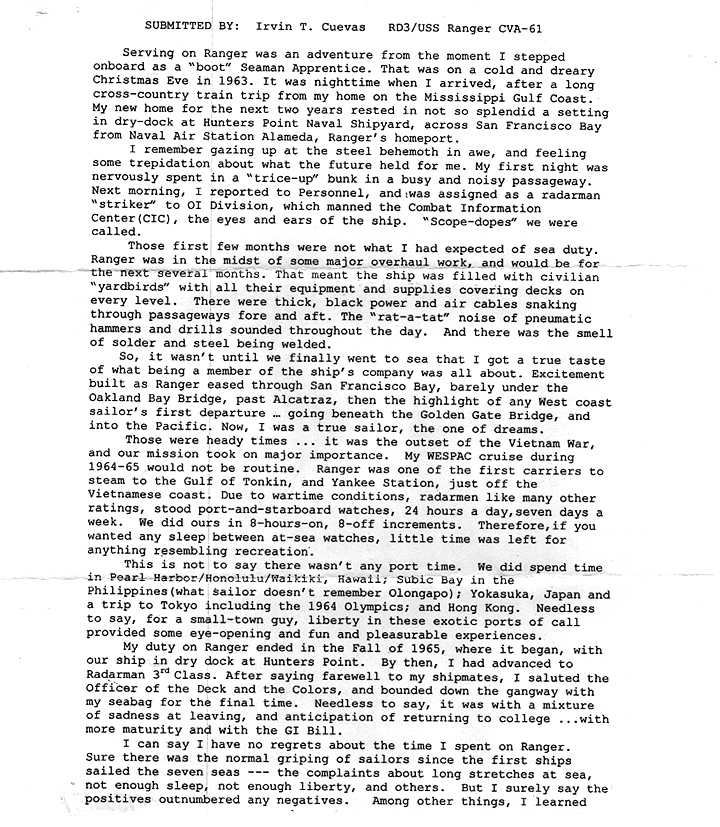
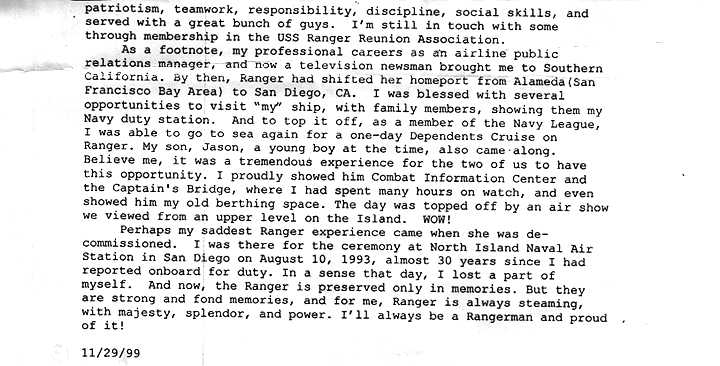
 152228
 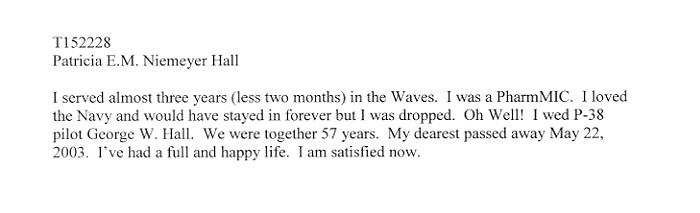 152410
 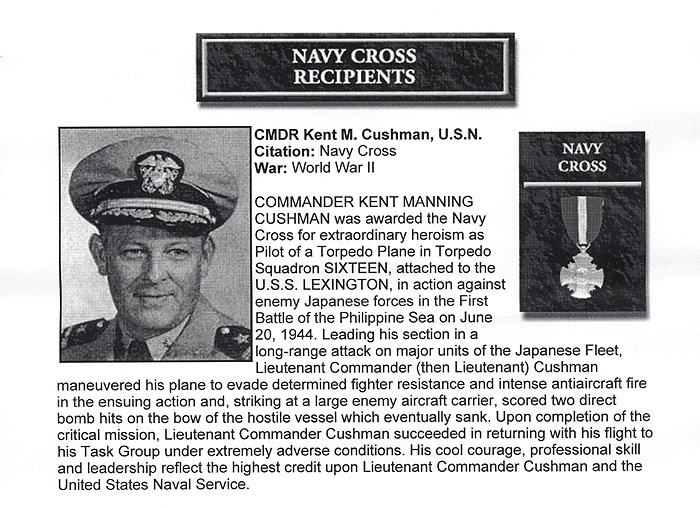 152495


 152521
  152582
 152616
  152624
 CAPT Martell H. Twitchell was a Navy Chaplain stationed at Pearl Harbor on December 7, 1941. The following are excerpts from an article he wrote sometime after he retired in 1960 describing his experiences that day and following:
I was assigned to Pearl Harbor in 1940. On December 7th I was scheduled to conduct an 8:15 a.m. worship service at the Marine Barracks and a 10:00 a.m. service at the Submarine Base, my primary duty station, and a third at 6:30 p.m. at the Naval Ammunition Depot at Lualualei. I got into my car, picked up my organist and drove towards the Marine Barracks. En route we stopped at a Japanese Flower Shop and purchased two beautiful poinsettias for the altar. We drove along Beretania Street, a main highway through Honolulu, still not knowing about the attack. By this time the Highway Patrol was controlling traffic away from Pearl Harbor. I was in uniform and waved through. We saw a strange plane circling over the Army Headquarters but couldn’t see the rising sun emblem on their wings. Just as we saw the first two planes there was heavy anti-aircraft fire over Hickam Field and Pearl Harbor. My organist said "We are really practicing today, aren’t we?" but I said, "No we are under attack."
Since I had a service scheduled at the Marine Barracks, we stopped there. The commanding officer had set up his command post in the basement under the Marine Barracks. A wave of dive-bombers came toward us diving toward the Naval Shipyards. I could see bombs plummeting from the planes towards ships and exploding. I thought everything would be destroyed. Planes from the Japanese aircraft carriers bombed, torpedoed, damaged or sank most of the ships in Pearl Harbor and all the airfields on the island. My car was parked near the barracks and a marine sergeant took it to relieve the gate watch. It came back covered with marines. They parked it in an exposed area and a truck backed into it crushing the trunk. When the all-clear signal was given I proceeded to my office at the submarine base and reported my presence to the commanding officer. The whole area was occupied with sailors who had been rescued from sunken ships and lost everything they owned. The commanding officer gave me over $5,000 to give to the enlisted men so they could purchase personal items. The supply depot issued them dry clothing.
Our sick bays were filled with injured men from the ships and I ministered to them as much as possible. No one knew if the enemy was returning or not. The commanding officer directed me to go out to naval housing and visit all of the families and instruct them to report downtown to the Army-Navy YMCA. I knocked on doors for about an hour until my orders were changed because they didn’t think the Japanese would return. I called my wife late that afternoon to tell her I was all right but I wouldn’t be coming home as I had to stay at my battle station which was a 50 bed dispensary now filled with wounded sailors. I stayed there and visited with the men, prayed with them and did everything I could to assist. Thousands more beds were set up in a field hospital on the football field to take the enormous overflow from the Navy Hospital.
Monday afternoon December 8th, I arranged for some entertainment to take place next to the swimming pool. I brought in Hilo Hattie and her hula troupe to perform for the men. Wednesday, December 10th I finally had lunch with my wife and our 5-year-old daughter. My wife was not doing well and I thought it was due to lack of sleep. My wife had been unable to get the windows blacked out. She had been taking the children under a blanket in the middle of the room at night with a radio and flashlight. She wasn’t sleeping much at all. On Friday, December 12th, a Army nurse called me to say your wife is ill. I took her to the Navy Dispensary and they said she should be hospitalized. I didn’t agree so I took her home that night to let her get some sleep. She slept about one hour then woke up talking loudly and asking a series of non-sensible questions. I could readily see it was a situation I couldn’t handle. She had a nervous breakdown and they gave her shock treatment and drugs to restore her sanity. Orders were given for families to evacuate to the mainland as soon as possible. I told the doctor, "I’m a coward and I won’t leave my wife her until she is well.” So the district chaplain’s wife took our children and put them in a temporary foster home. We decided to wait until January 23 to leave Hawaii.
I did my first regular worship service December 21st, two weeks after the attack. Normally chaplains are responsible for the children’s Christmas party. Most of the children had returned to the mainland so only 35 were left. I made arrangements with the Army/Navy store downtown so the party could still happen. I managed to get a Douglas Fir and had it all decked out. I also had a Christmas movie and refreshments. I played the part of Santa Claus and when I went to change I told my five year old daughter, “Daddy will be right back." When she approached Santa, she said, "My daddy has disappeared! What must we do?" Santa assured her he would be right back - and I was.
I received orders to report to the Naval Air Station, Pensacola. Florida, and then was assigned to the Navy Pre-Flight School in Athens, Georgia, where I would work with the cadets in training. After about a year my wife recovered and I was assigned to the USS New Mexico in the Pacific Theater during the rest of the war. My rank increased from Lieutenant junior grade to Lieutenant, Lieutenant Commander, Commander and finally to Captain in 1953. I retired from the Navy in 1960.
"Remember Pearl Harbor" is a slogan, which should be instilled in the hearts of every loyal American. The spirit of calmness, bravery, courage, sacrifice, cooperation and heroism was evident in each task and duty performed. If every American today compares the spirit of the wounded Sailor who requested the Navy physician to minister first to his wounded buddy, there will be no question whatever concerning our ultimate victory.
/s/ Chaplain Martell Twitchell, Captain. USN (Ret.)
Submitted by CDR Roy A. Mosteller, USNR (Ret)
152891
 153039
  153123
 153208
  153414
  153520
  153674
153678
153674
153678 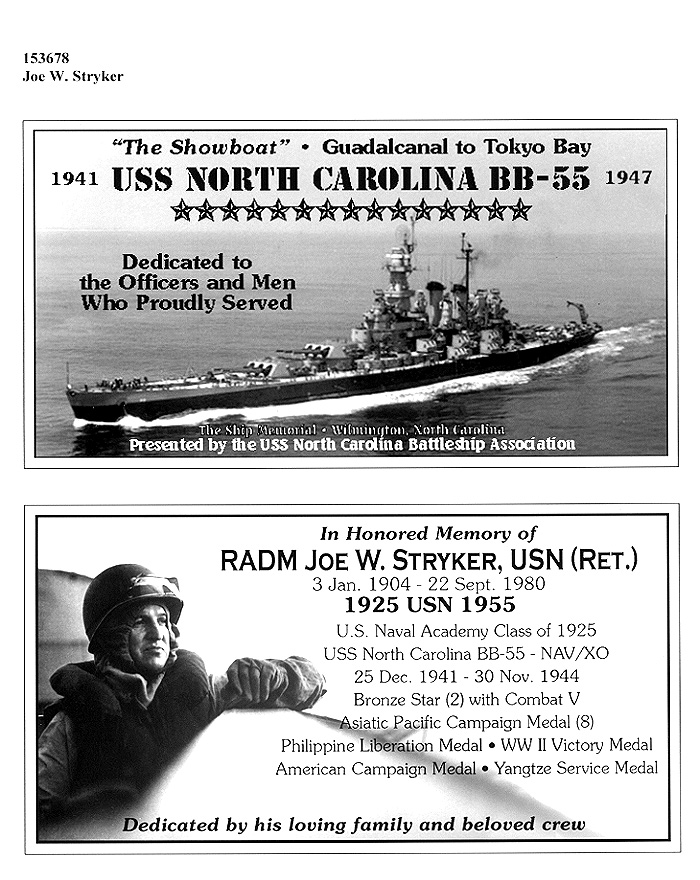 153957
 Excerpts from obituary published in San Diego Union-Tribune on 10/23/2013:
Anna G. Hart, LCDR, USN, known to family and friends as “Pete,” died September 24, 2014. Pete was born in Kitzmiller, Maryland, on October 23, 1922. She graduated from nursing school in 1943 and joined the Navy in 1949. As an Operating Room Nurse she served on the east and west coast, Japan, Guam and Taipei. Retiring in 1970, Pete pursued civilian life with enthusiasm. She traveled extensively, took up gourmet cooking classes, and enjoyed entertaining and gardening. She was a charter member of the Navy Nurse Corp Association of Southern California, lifetime member of the Military Officers Association of America and the Military Order of World Wars. At her request she will be buried privately with military honors at Miramar National Cemetery in San Diego. In lieu of flowers, raise a glass in Pete’s honor. Toast to a life well spent and to a duty served with pride and dedication. Anchors aweigh my friend.
Submitted by CDR Roy A. Mosteller, USNR (Ret)
154027 154039
  154046
 RESCUED AT SEA
On April 30, 1944, two Vought OS2U Kingisher float planes were sent out to locate a Navy pilot, LT Robert F. Kanze, from the USS ENTERPRISE who was reported down at sea. The downed pilot was spotted afloat in his life raft and one of the Kingfishers landed to pick Kanze up. As Kanze grabbed the wing float he was lifted out of his raft but a wave then hit the float broadside which, with his weight on the float, submerged it and caused the Kingfisher to capsize throwing the Kingfisher pilot and his radioman into the water with Kanze. The three were able to retrieve the raft and hold onto it. The second Kingfisher pilot, observing what had happened, landed and was able to retrieve the three airmen from the water. With five men aboard the overloaded Kingfisher was unable to take off so the pilot taxied his plane to the nearby rescue submarine, USS TANG, that was on the surface. The partially submerged Kingfisher that had originally landed was nearby so TANG sank the plane by gunfire to prevent it from drifting into Japanese hands.
Excerpts from obituary published in San Jose Mercury News, California,
on January 9, 2009:
Robert Frederick Kanze passed away January 1, 2009 at age 93 in Mountain View, California. Born on September 2, 1915, in New York City, Rob and his family later moved to Staten Island and eventually to Freehold, New Jersey. Rob and his siblings attended Freehold area schools with Rob graduating from Freehold High School. Rob enjoyed a varied and exciting career as a pilot in the U.S. Navy, enlisting in 1935 and retiring as a Commander in 1965. His career included battleship service, carrier-based squadrons during both World War II and Korea, test pilot service, exchange duty with the U.S. Air Force, and duty with the U.S. European Command. The Navy credited Rob with four enemy aircraft destroyed and assisting in the sinking of the Japanese aircraft carrier IJNS SHOHO during the Coral Sea battle. He counted the Distinguished Flying Cross and numerous other combat and campaign awards among his many decorations, and was one of the Navy's first 100 jet pilots. In his post-Navy career Rob was Managing Director of Ampex Corporation's Ampex Ferrotec, Ltd. Later he was a real estate and property manager in the Santa Monica, California, area where he resided for 29 years. He was also an avid yachtsman and sailed for many years with the Long Beach Navy Yacht Club. Rob is survived by his wife of 63 years, two sons, two godchildren and four grandchildren. The Navy will scatter Rob's ashes at sea.
Submitted by CDR Roy A. Mosteller, USNR (Ret)
154397 154443
 154452
 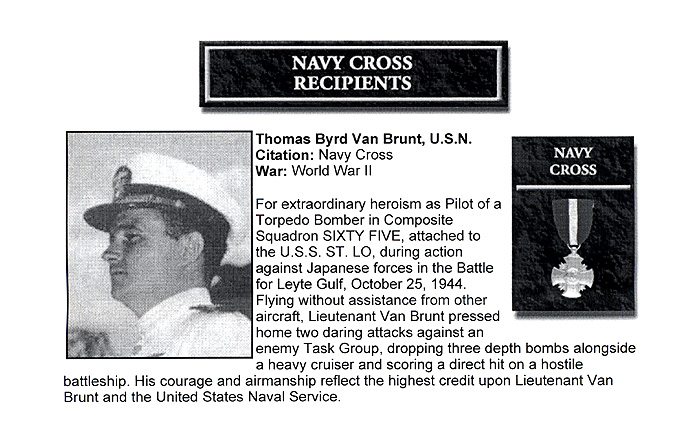 154520
Theodore C. Briggs
AWARDS AND CITATIONS
Navy Cross
Awarded for actions during the World War I
The President of the United States of America takes pleasure in presenting the Navy Cross to Ensign Theodore C. Briggs, United States Navy (Reserve Force), for extraordinary heroism on the occasion of the collision between the U.S.S. SHAW and the H. M. S. AQUITANIA on 9 October 1918, when the Shaw was cut in two and set on fire. Ensign Theodore Briggs of the Shaw, with other officers and enlisted men, threw overboard a large quantity of 4-inch ammunition which was on deck only a few feet from a blazing oil tank, and this while the ammunition near them was already exploding. This heroic action saved the snip from complete destruction and made it possible for her to proceed to port under her own steam in spite of the loss of her bow.
Action Date: October 9, 1918
Service: Navy
Rank: Ensign
Division: U.S.S. Shaw
Submitted by Doug Bewall RMCM USN Ret
154590
FORT LAUDERDALE,FL PORT CALLS, 1980-83
EQUATOR CROSSING-SHELLBACK CEREMONY, 1980
INDIAN OCEAN DEPLOYMENT, 1980
DIEGO GARCIA, B.I.O.T., 1980
PERTH, AUSTRALIA CHRISTMAS PORT CALL, 1980
PANAMA CANAL TRANSIT, 1981
MEDITERRANEAN SEA CRUISE, 1982
LA MADDALENA, SARDINIA, 1982
NAPLES, ITALY PORT CALL, 1982
30 DAYS SHORE LEAVE TOUR OF EUROPE, 1982
DEL MAR CAFE, GROTON, CT,1980-83
MISQUAMICUT BEACH, RI, 1980-83
154697 154774
  154791
  154995
 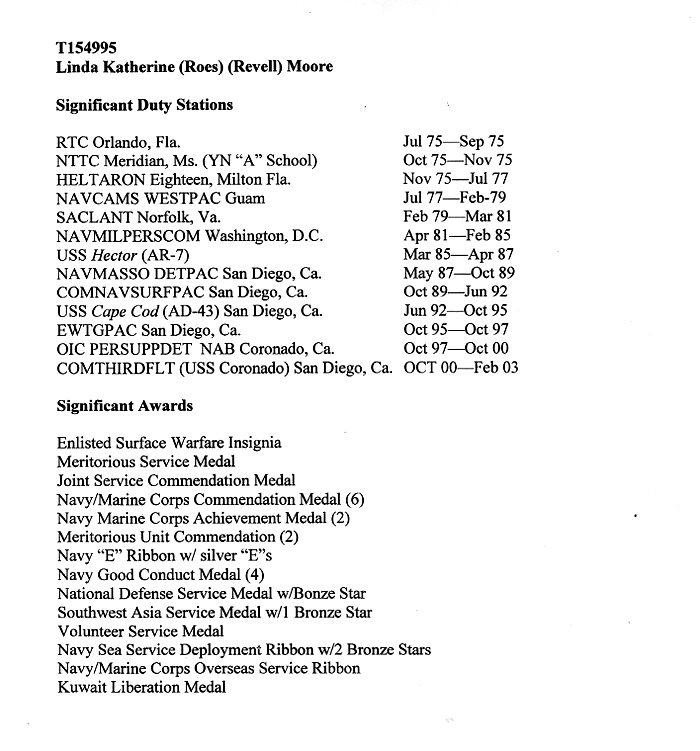 154996
  155044
 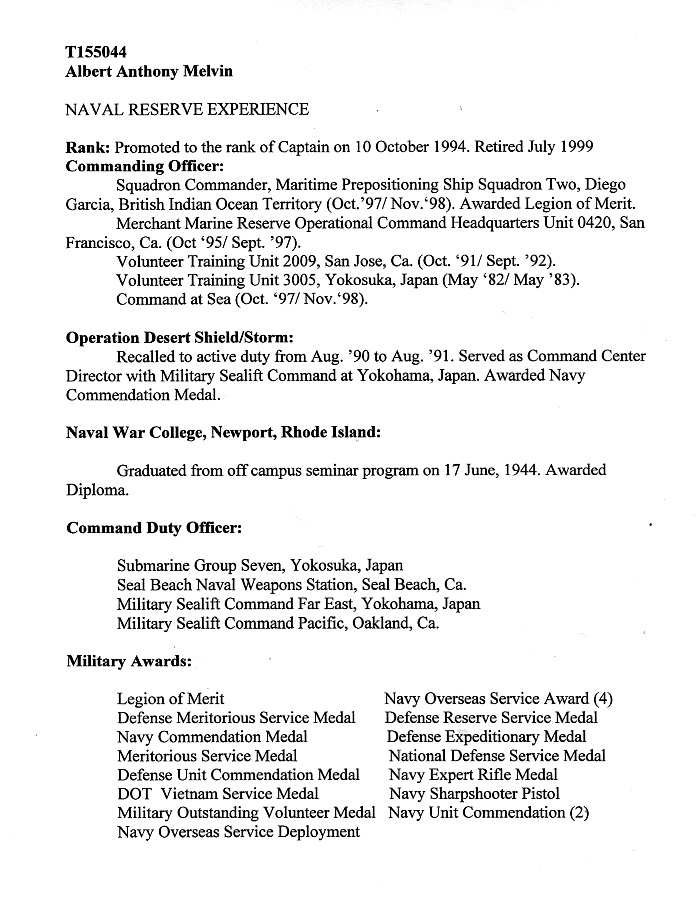 155144
  155171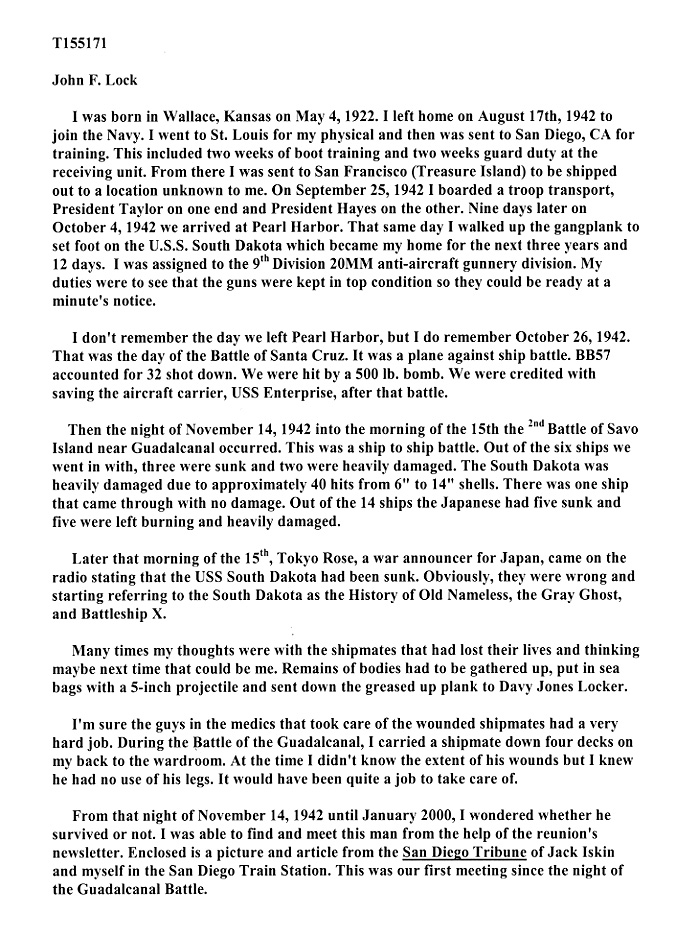
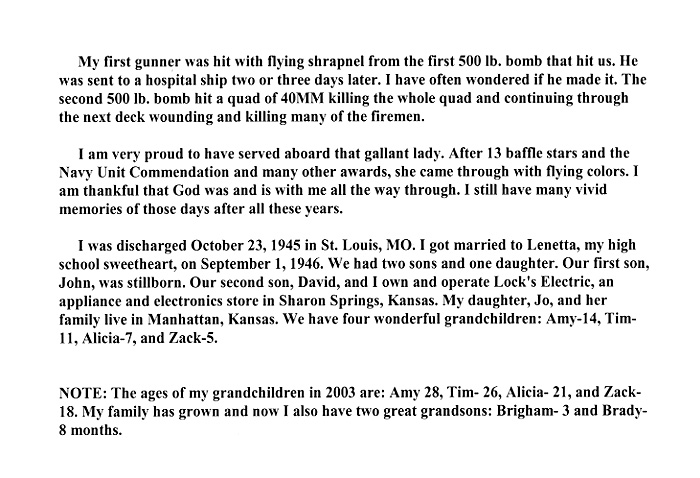 155241
 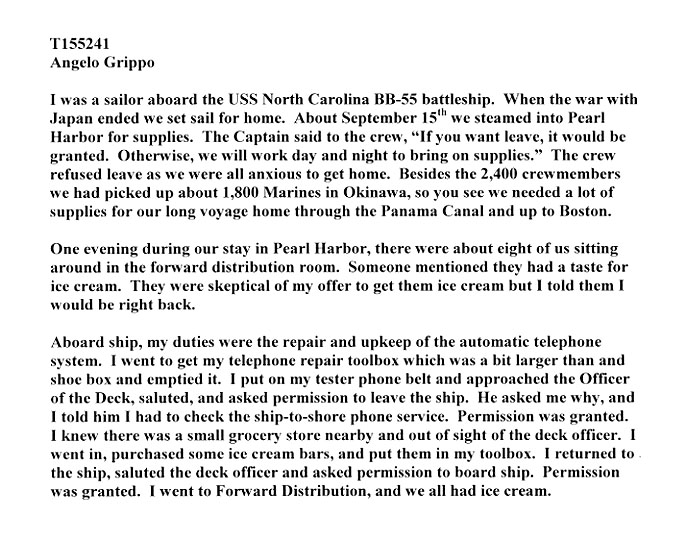 155347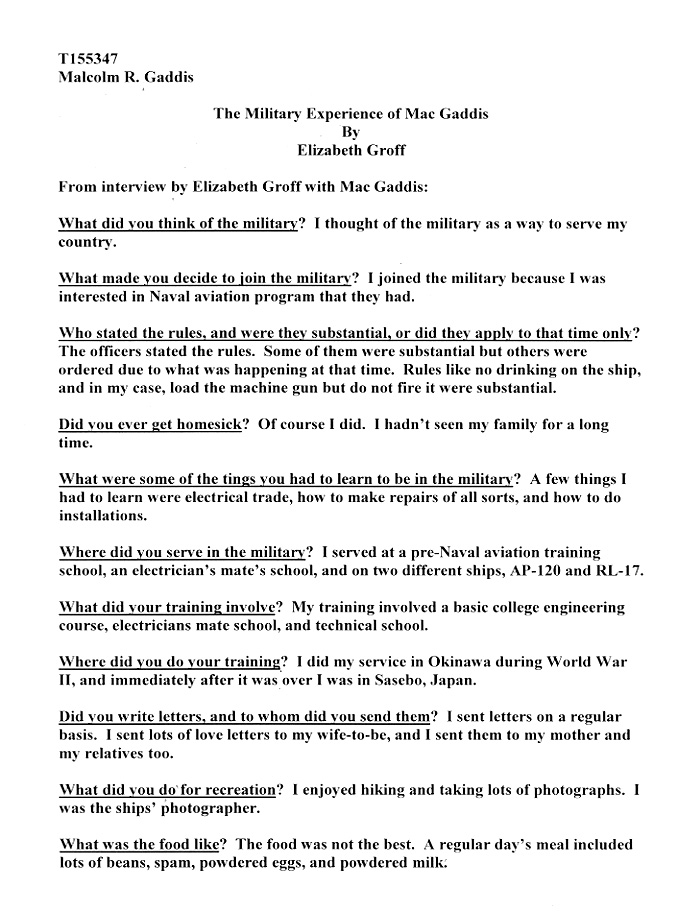
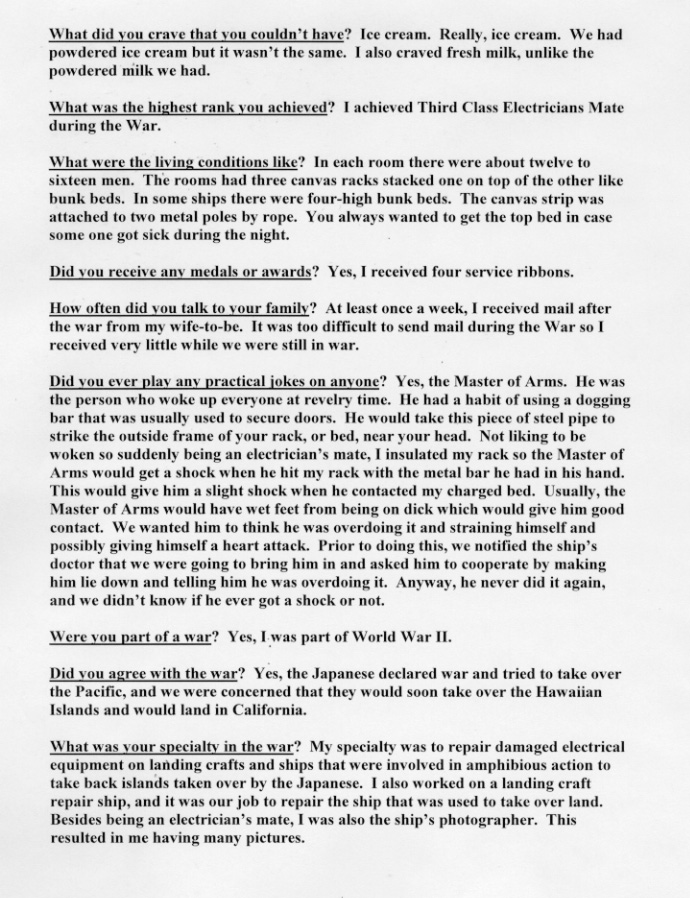
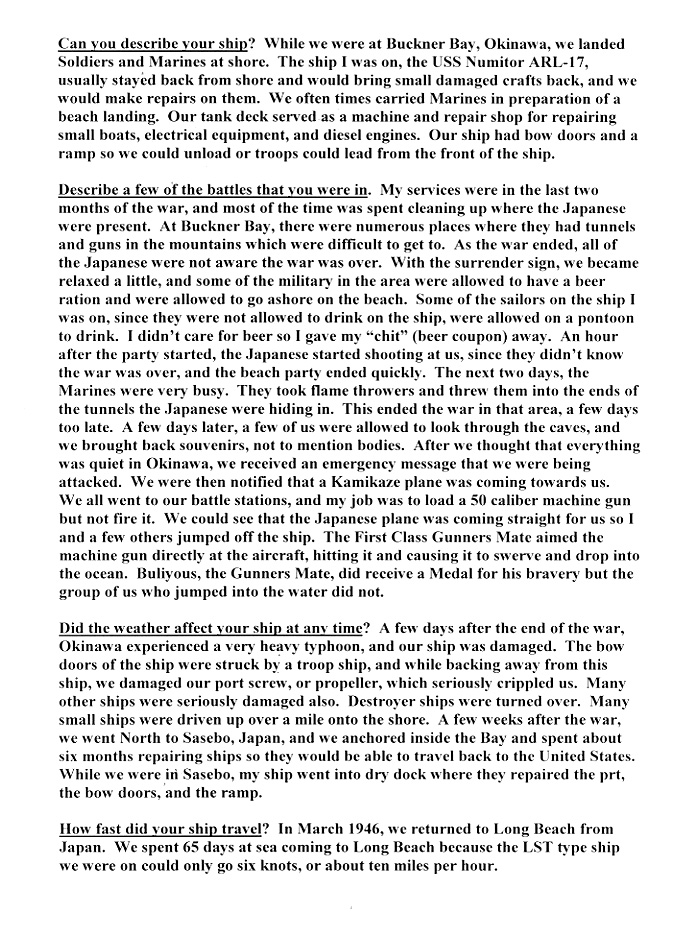
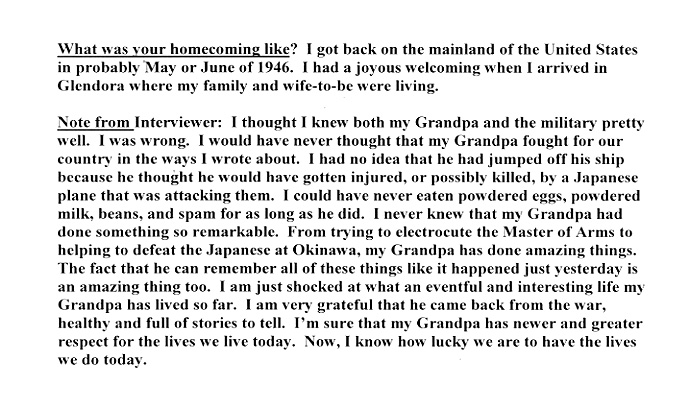 155354
 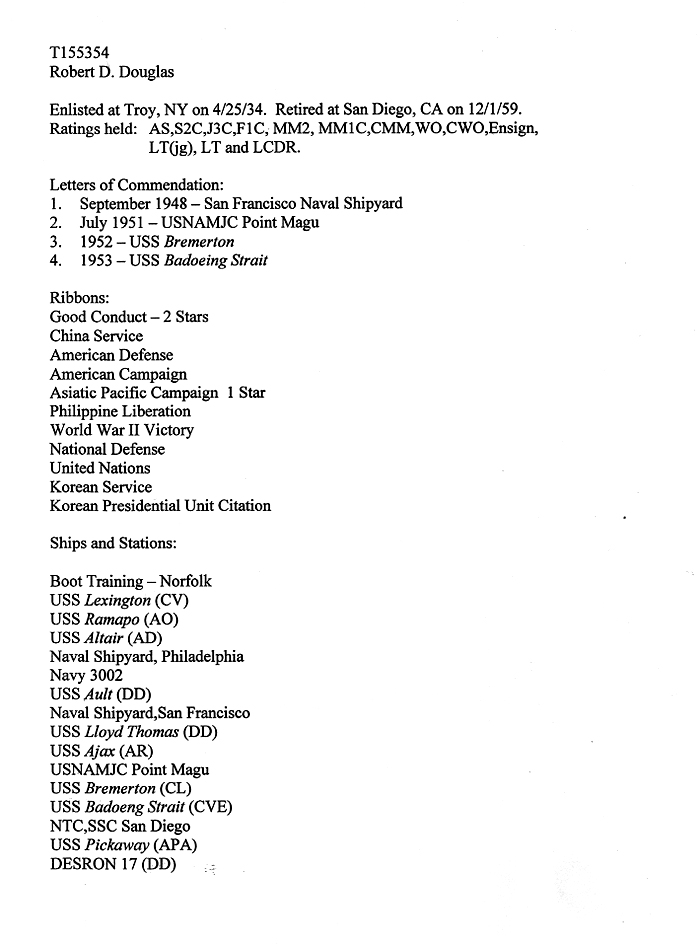 155358
  155363
  155414
 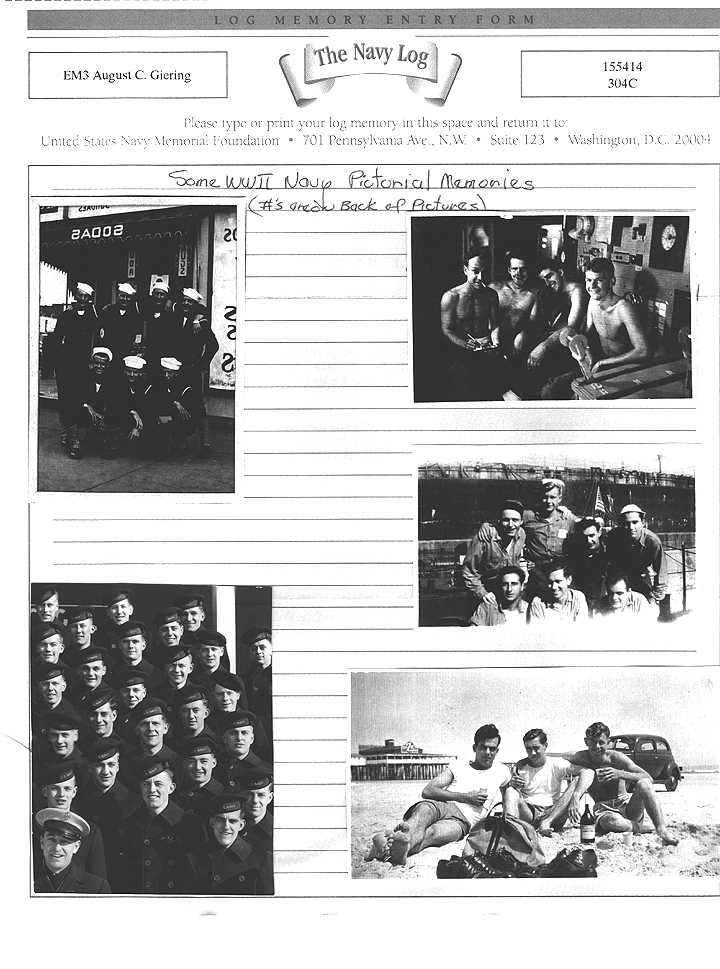 155481
  155574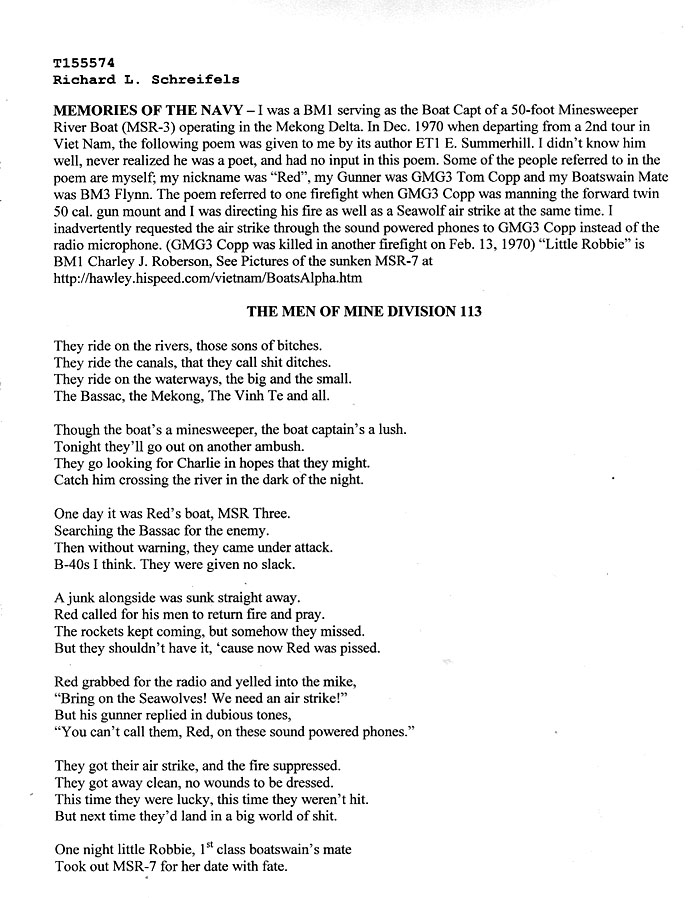
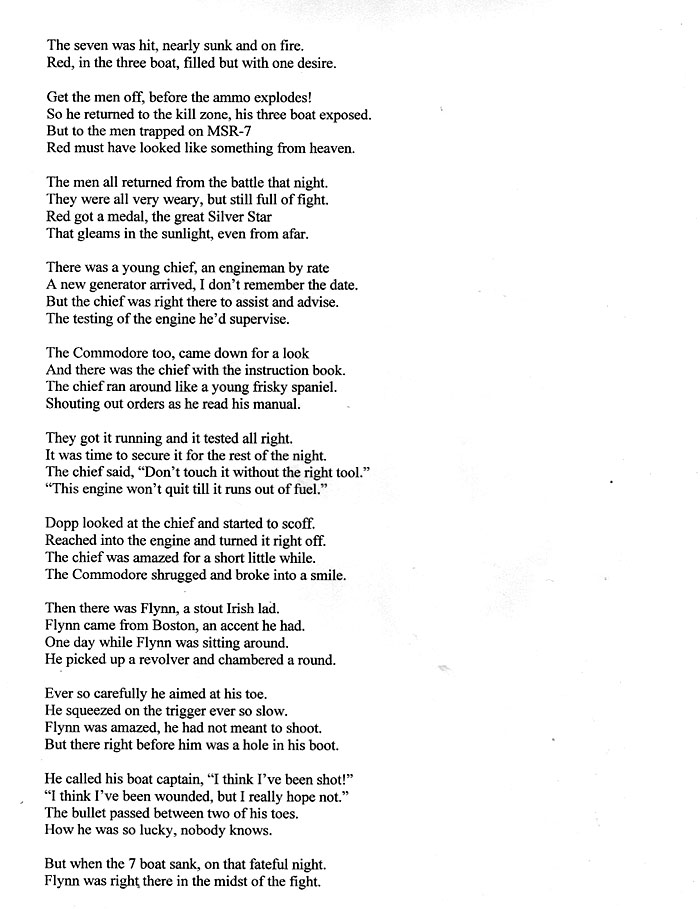
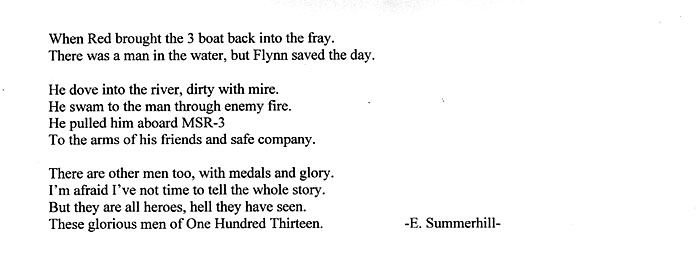 155585
 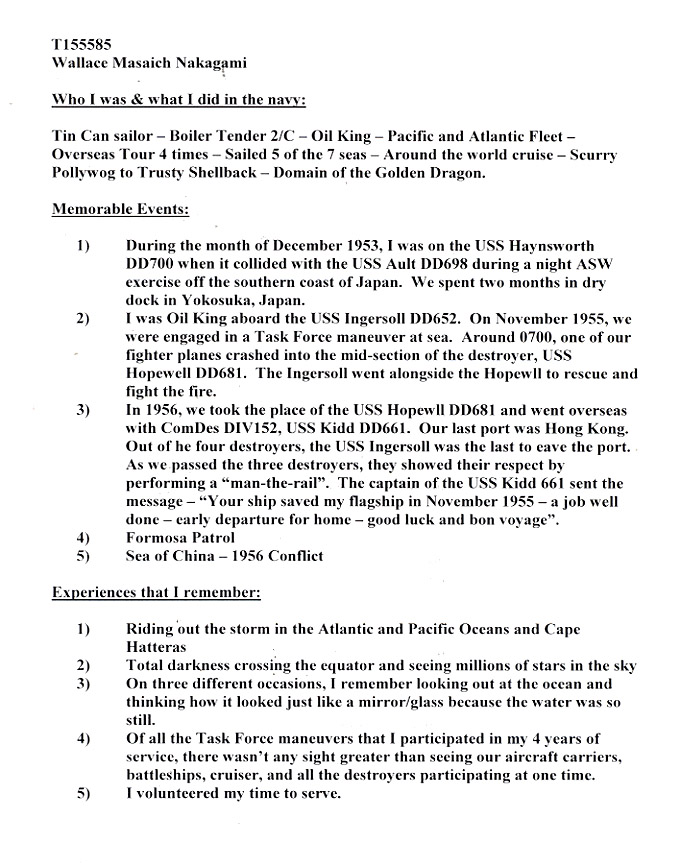 155611
  155625
 155670
  155886
 155893
 155896
  156165
  156246
 156343
  156370
 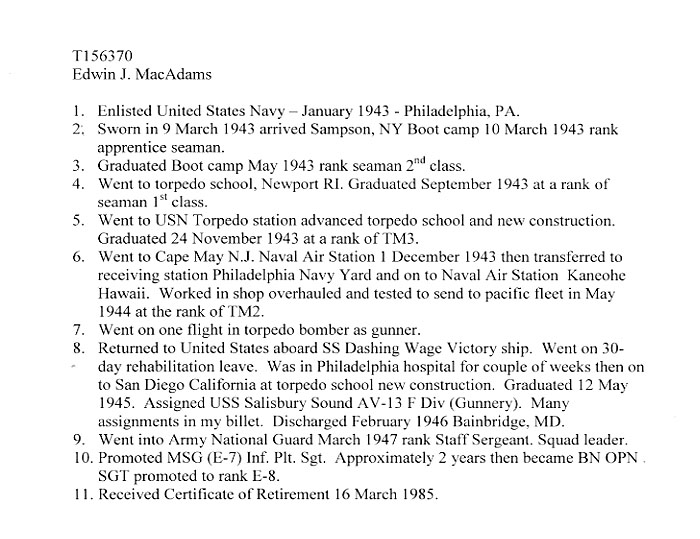 156371
 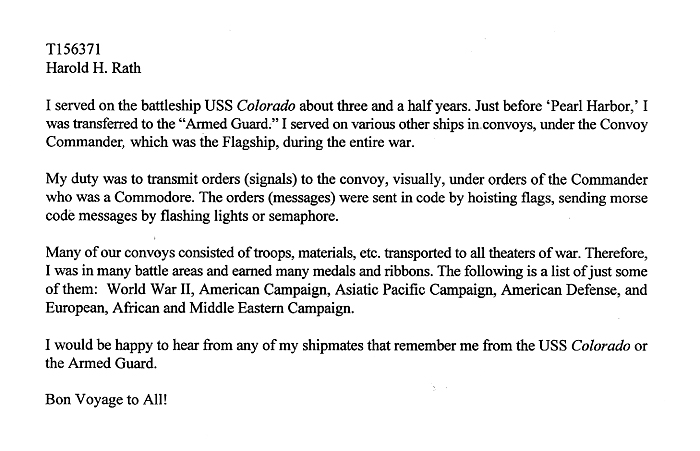 156372
 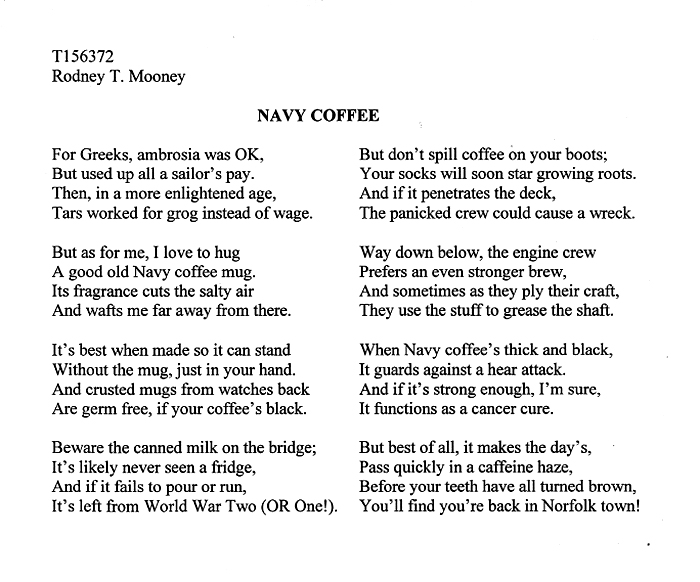 156394
 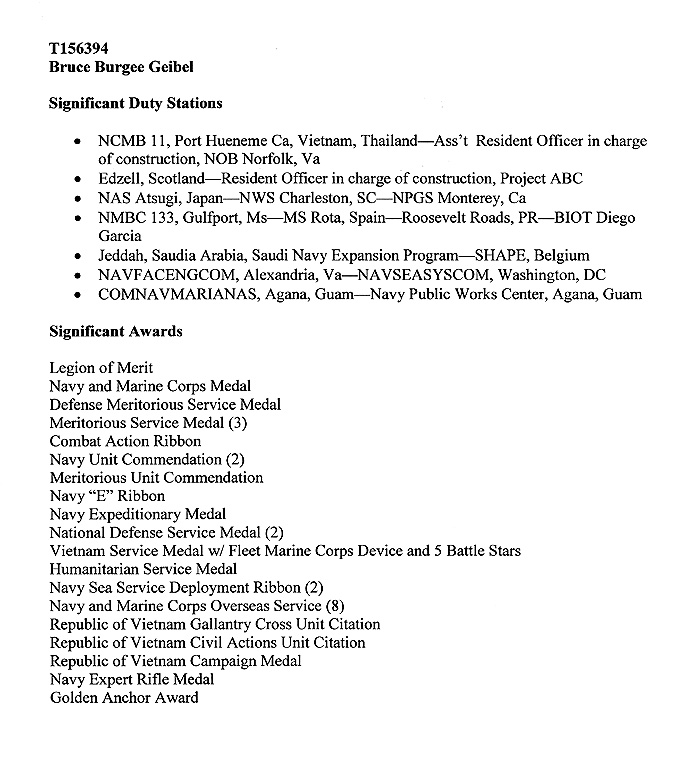 156398
  156423
 156529
  156613
 156694
  156747
  157360
  157435
 Raymond (Ray) Oliver Stein, former resident of El Macero, CA passed away unexpectedly, but peacefully at age 92, on his 70th wedding anniversary, July 31, 2013. He died at home in Sparks, NV where he had been living with his eldest daughter and son-in-law. He was preceded by his wife, Mary nee Waldraff, and two sons, Raymond Wesley Stein and Kenneth Michael Stein. He is survived by his children, Virginia (David) Simi, Karen Stein, Christina (Jeff) Dal Porto, Cindy Stein-Dailey (David), and Stephen (Beth) Stein, 6 grandchildren and 5 great-grandchildren. He was his family’s “Yankee Doodle Dandy”, born on the 4th of July, 1921 in Minneapolis, MN.
He joined the Navy in 1939, serving in the Atlantic as Chief Signalman (CSM)on the aircraft carrier USS Ranger both before and during WWII. He transferred to the submarine service in 1944 and served on the Pollack as CSM and then on the Tirante as CSM and Official Submarine photographer. He graduated with a degree in Geology from USC. His career emphasis was both oil and natural gas exploration throughout California. He served as President and owner of Methane Engineering Co. He was a member of multiple organizations emphasizing his military service, faith and community.
A Funeral Mass will be held at Holy Spirit Catholic Church, 3159 Land Park Dr., in Sacramento, at 10 AM on Sat., Aug.10, 2013. A burial service will follow at the Davis Cemetery on Pole Line Rd. with a reception at Holy Spirit Church Center. Visitation will be at Wiscombe Funeral Home, 116 D St, Davis, on Friday Aug 9th, from 5:30-7 PM, followed by a prayer vigil at 7PM.
"Those who wish to sign a guestbook online may do so at www.wiscombefuneral.com."
In lieu of flowers you may wish to consider a donation to Father Flannigan’s Boys Town, (www.boystown.org), Wounded Warrior Project (www.woundedwarriorproject.org) or a charity of your choice.
