

RUTH-WESLEY
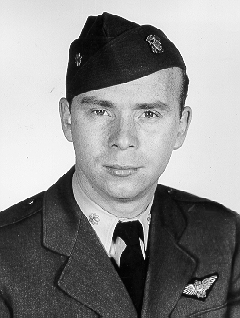
WESLEY HOYT "WES" RUTH
CDR

A FLIGHT THAT COULD HAVE CHANGED HISTORY
Wesley Hoyt Ruth was born November 6, 1913, in Desmet, South Dakota. Following graduation in 1936 from South Dakota State College he joined the Navy in September 1938 and spent over 20 years as a Naval Aviator retiring with the rank of Commander. On December 7, 1941, Ruth was an Ensign and Squadron Duty Officer of Utility Squadron One (VJ1) on Ford Island when the Japanese attacked Pearl Harbor. Sensing the urgency of knowing the location of the Japanese fleet which had launched the airborne attack Ruth secured the help of a copilot, radioman and three seamen, and the group manned a Sikorsky JRS-1 seaplane. Historical records report that theirs was the first American plane to become airborne during the attack. The JRS-1 was an unlikely combat plane as it was primarily used as a long-range search aircraft. The only armament aboard Ruth’s JRS-1 were three Springfield rifles and the men entered the fray with little more than a hope that they would return as they were easy pray if they encountered Japanese aircraft. Ruth searched north of Pearl Harbor at about 1,000 feet and stayed just under the overcast which he planned to use for an escape if the need arose. He flew to about 250 miles north of Pearl Harbor before the lack of fuel necessitated his return to Pearl Harbor. During the flight he sighted one Japanese plane which he was able to evade, and it is believed he came within about 30 miles of the Japanese fleet before turning back. Fortunately when he returned to Pearl Harbor, he was not hit by antiaircraft fire which was being directed to all aircraft in the sky. As a result of his efforts that day Ruth was awarded the Navy Cross.
At the age of 101, Ruth died on May 23, 2015, in Matthews, North Carolina. He is buried at Arlington National Cemetery.
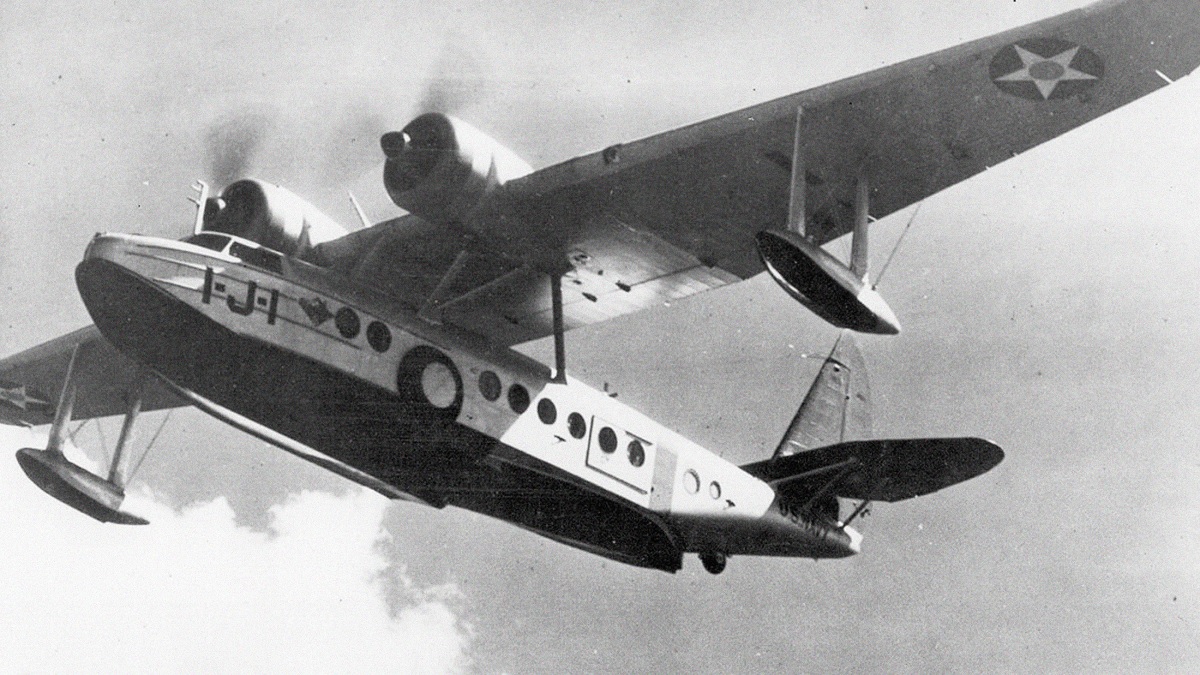
NOTE: The JRS-1 that Ruth piloted on December 7, 1941, was removed from Navy service in August 1945, and placed in storage for two years before being used in a NACA/Langley study. Her final trek was to the Smithsonian National Air and Space Museum where it now remains on public display in Chantilly, Virginia, a testament to the heroics of the American servicemen stationed at Pearl Harbor on December 7, 1941.
NAVY CROSS CITATION
The President of the United States of America takes pleasure in presenting the Navy Cross to Lieutenant, Junior Grade (then Ensign) Wesley Hoyt Ruth, United States Navy, for extraordinary heroism in operations against the enemy while serving as Pilot of an airplane, and for extraordinary courage and disregard of his own safety during the attack on the Fleet in Pearl Harbor, Territory of Hawaii, by Japanese forces on 7 December 1941. Although contact with the enemy meant almost certain destruction and despite lack of armament in this type of plane, Lieutenant Junior Grade Ruth voluntarily piloted a JRS-1 amphibian plane, with only Springfield rifles, in search of and to obtain information of the enemy forces. At a point two hundred miles north of Oahu, Lieutenant Ruth did contact an enemy aircraft and only through prompt and extremely skillful handling of his plane did he succeed in escaping and returning to Pearl Harbor. Lieutenant Junior Grade Ruth’s outstanding courage, daring airmanship and determined skill were at all times inspiring and in keeping with the highest traditions of the United States Naval Service.
Submitted by CDR Roy A. Mosteller, USNR (Ret)